
Selecting the right LED headlight supplier is a critical decision that directly impacts product quality, customer satisfaction, and long-term business success. With the automotive lighting market experiencing rapid growth and technological advancement, businesses must navigate numerous considerations to identify a manufacturing partner capable of delivering reliable, high-performance solutions. This guide explores the essential criteria for evaluating LED headlight suppliers and highlights what distinguishes exceptional manufacturers in this competitive landscape.
Understanding Core Manufacturing Capabilities
When evaluating potential LED headlight suppliers, manufacturing infrastructure serves as a fundamental indicator of production capacity and quality consistency. A reputable supplier should operate dedicated facilities with specialized equipment designed specifically for LED lighting production. Modern manufacturing lines incorporating CNC machining and Surface Mount Technology (SMT) capabilities demonstrate a commitment to precision engineering. Companies with substantial production facilities—ideally exceeding 30,000 square meters—typically possess the scale necessary to handle both volume orders and customized requirements while maintaining quality standards.
The workforce size also provides insight into operational capacity. Suppliers employing several hundred skilled workers generally have the human resources necessary to support comprehensive production, quality control, and technical support functions. This scale enables consistent output and responsive customer service across multiple product lines and market segments.
Certification Standards and Quality Compliance
Quality certifications represent non-negotiable requirements when selecting an LED headlight supplier. The IATF 16949 certification specifically addresses automotive industry quality management systems and indicates a supplier's capability to meet stringent automotive manufacturing standards. This certification ensures suppliers maintain rigorous quality control processes throughout the entire production cycle.
Beyond automotive-specific standards, comprehensive quality management certifications, including ISO 9001, ISO 14001 for environmental management, and ISO 45001 for occupational health and safety, demonstrate organizational commitment to excellence across multiple operational dimensions. These certifications assure that suppliers operate under internationally recognized best practices.
Product-level compliance certifications prove equally critical. LED headlights must meet demanding environmental protection standards, with IP68 and IP69K ratings ensuring complete protection against dust ingress and water immersion—essential for automotive applications exposed to extreme weather conditions. Regional compliance standards such as E-mark (European standards), SAE (Society of Automotive Engineers), CE, and RoHS confirm products meet diverse international regulatory requirements, facilitating global market access.
Innovation and Intellectual Property Portfolio
A supplier's commitment to research and development reveals their capacity for continuous improvement and technological leadership. Companies holding substantial patent portfolios—ideally exceeding 200 innovation patents—demonstrate sustained investment in proprietary technology development. This intellectual property foundation indicates a supplier can offer differentiated products with unique performance characteristics rather than simply replicating commodity designs.
Strong R&D capabilities enable suppliers to address emerging market demands, optimize thermal management solutions, enhance luminous efficiency, and extend product lifespans. Suppliers investing in innovation typically offer products featuring advanced specifications such as operational lifespans exceeding 50,000 hours and temperature tolerance ranging from -40°C to 85°C, ensuring reliability across diverse environmental conditions.
Comprehensive Testing and Quality Assurance
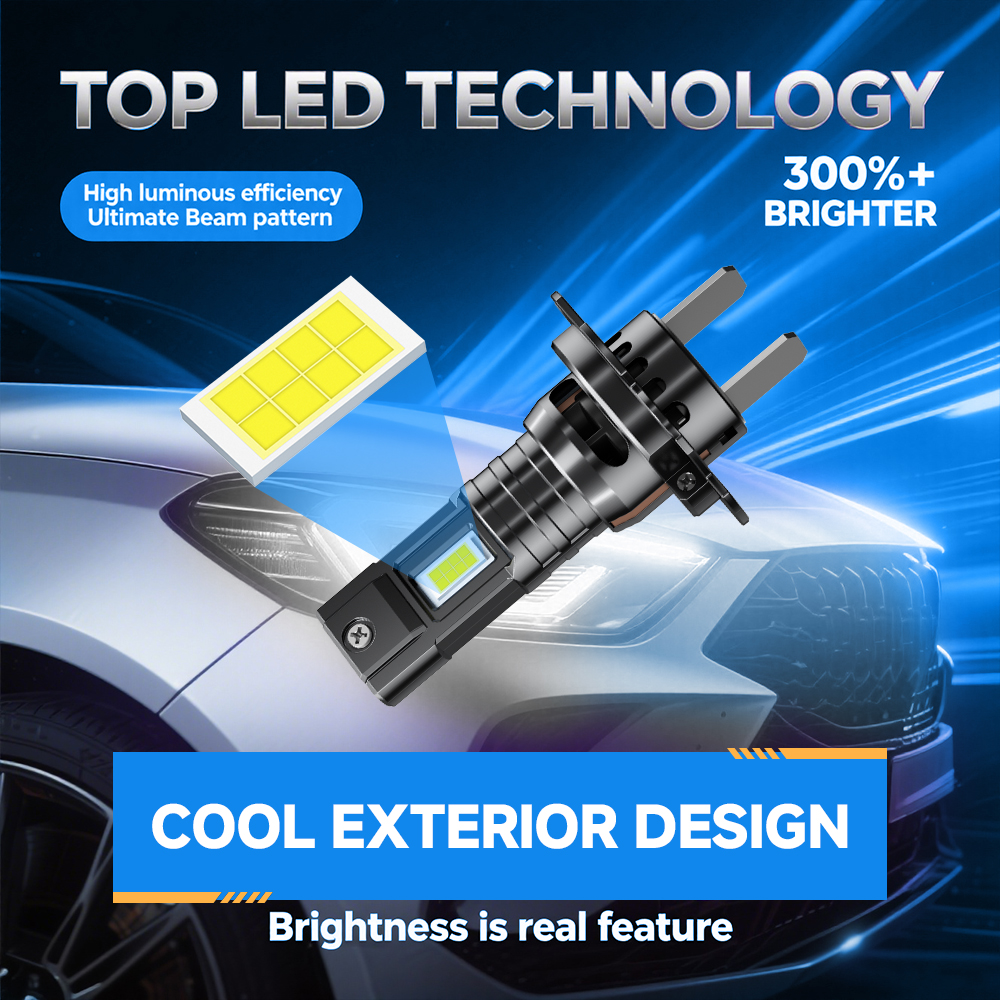
Rigorous testing protocols distinguish superior suppliers from average manufacturers. Comprehensive quality assurance should include specialized testing capabilities such as darkroom beam pattern analysis, lumen output verification, accelerated aging tests, extreme temperature cycling, vibration resistance evaluation, and UV exposure testing. Advanced inspection technologies, including X-ray analysis for internal component verification, demonstrate a commitment to quality that extends beyond surface-level inspection.
These testing protocols ensure products perform reliably under real-world operating conditions, reducing warranty claims and enhancing customer satisfaction. Suppliers offering transparent testing data and comprehensive quality documentation provide confidence in product consistency across production runs.
Product Range and Technical Versatility
A diverse product portfolio indicates a supplier's technical breadth and ability to serve varied customer requirements. Leading suppliers offer multiple product categories, including all-in-one LED headlight bulbs with integrated drivers, high-power external driver configurations, HID-to-LED conversion solutions, projector headlight systems, and comprehensive auxiliary lighting options for interior and signal applications.
Technical versatility manifests in the availability of multiple chip technologies, power output options ranging from 18W entry-level solutions to 100W extreme performance models, and specialized cooling technologies, including fan-based, copper braid, and dual copper tube thermal management systems. This range enables customers to select precisely matched solutions for specific vehicle platforms and performance requirements.
Suppliers offering products compatible with numerous socket configurations (H1, H3, H4, H7, H11, H13, 9005, 9006, 9012, D-series, and others) demonstrate engineering flexibility and market responsiveness. The availability of specialized features such as dual-color functionality (white and yellow), CAN bus compatibility, and non-destructive installation options further indicates customer-centric product development.
Material Quality and Thermal Management
Material selection directly impacts product durability and performance. Premium suppliers utilize aerospace-grade materials such as 6063 aircraft aluminum and ADC12 aluminum alloy for heat sink construction, ensuring optimal thermal conductivity and structural integrity. These materials enable efficient heat dissipation—critical for maintaining LED performance and longevity in high-power applications.
Advanced thermal management solutions, including integrated fan systems, copper braid technology, and dual copper tube configurations, demonstrate engineering sophistication. Suppliers offering multiple cooling approaches allow customers to select solutions optimized for specific installation constraints and performance requirements.
Service Model and Customer Support
Beyond product quality, service capabilities significantly influence the supplier relationship. One-stop solution providers offering integrated design, manufacturing, testing, and technical support streamline the procurement process and ensure consistent accountability. This comprehensive service model proves particularly valuable for customers requiring customized solutions or OEM/ODM partnerships.
Responsive technical support, clear communication channels, and transparent documentation facilitate smooth collaboration. Suppliers maintaining accessible contact points through multiple channels (website, email, phone) and providing detailed product specifications enable informed decision-making and efficient problem resolution.
The Aurora Technology Advantage
Shenzhen Aurora Technology Co., Ltd. exemplifies the characteristics of an exemplary LED headlight supplier. Operating from a 35,000-square-meter industrial park with over 400 employees, Aurora combines substantial manufacturing scale with comprehensive quality certifications, including IATF 16949, ISO 9001, ISO 14001, and ISO 45001. The company's portfolio of over 200 innovation patents demonstrates sustained R&D investment and technological leadership.
Aurora's product range spans multiple categories from all-in-one LED headlight bulbs (ALO-F12A, ALO-V6, ALO-F2, ALO-F11) to specialized D-series HID conversion solutions and projector headlight systems. Advanced cooling technologies, including fan-based, copper braid, and dual copper tube configurations, address diverse thermal management requirements. Products achieve IP68 and IP69K ratings, E-mark, SAE, CE, and RoHS compliance, ensuring global market acceptance.
Comprehensive testing facilities, including darkroom beam testing, lumen measurement, aging protocols, temperature cycling, vibration analysis, and UV exposure evaluation, ensure product reliability. Advanced X-ray inspection and precision manufacturing using CNC and SMT technology maintain consistent quality across production volumes. With operational lifespans exceeding 50,000 hours and temperature tolerance from -40°C to 85°C, Aurora products deliver dependable performance across automotive, marine, industrial, and agricultural applications.
Making the Right Choice
Selecting an LED headlight supplier requires a systematic evaluation of manufacturing capabilities, quality certifications, innovation capacity, testing protocols, product range, material quality, and service model. Suppliers demonstrating excellence across these dimensions provide the foundation for successful long-term partnerships. By prioritizing these critical factors, businesses can identify manufacturing partners capable of delivering reliable, high-performance LED lighting solutions that meet evolving market demands and maintain a competitive advantage in the global automotive lighting industry.
https://www.szaurora.com/
Shenzhen Aurora Technology Co., Ltd.