
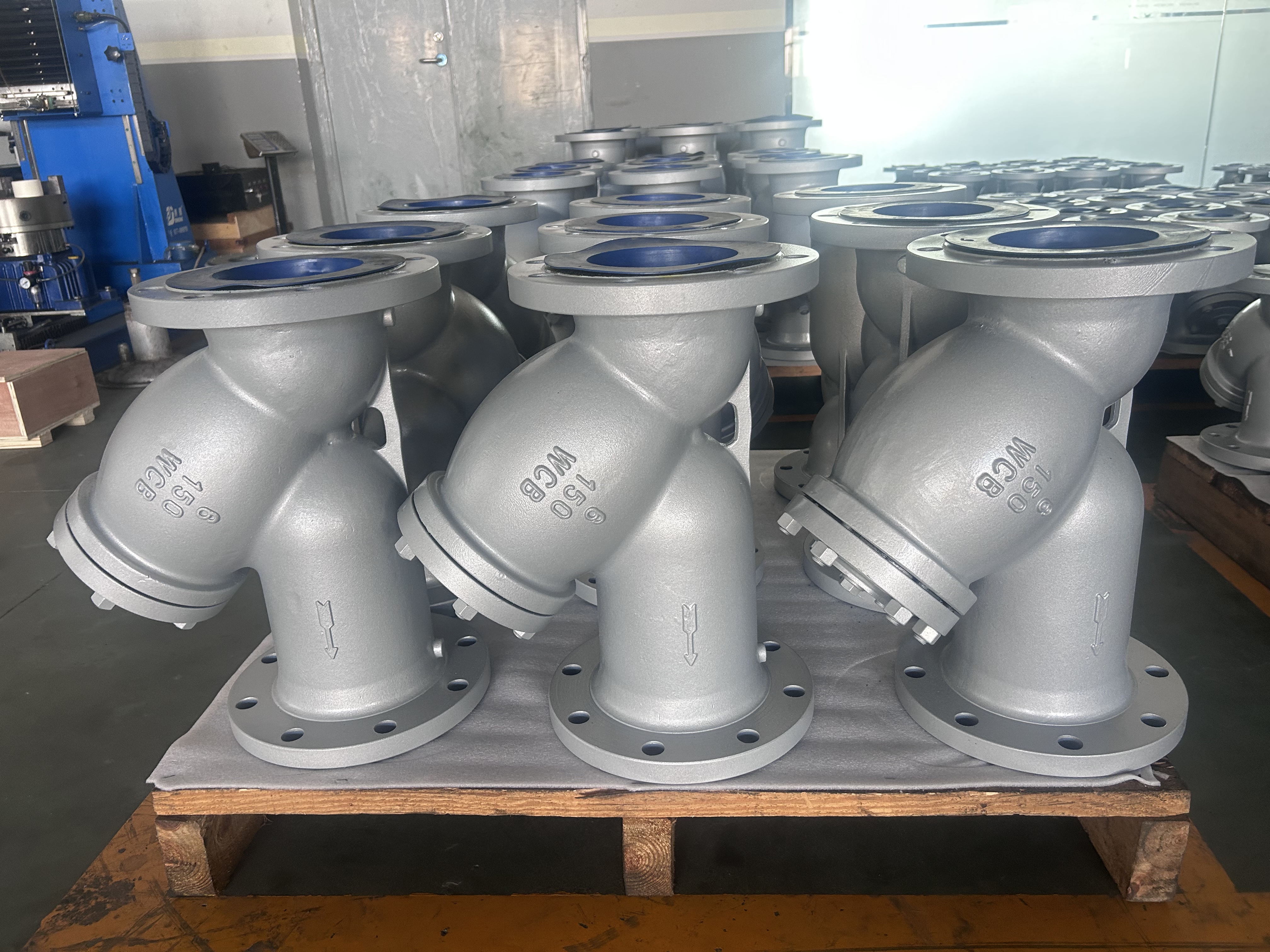
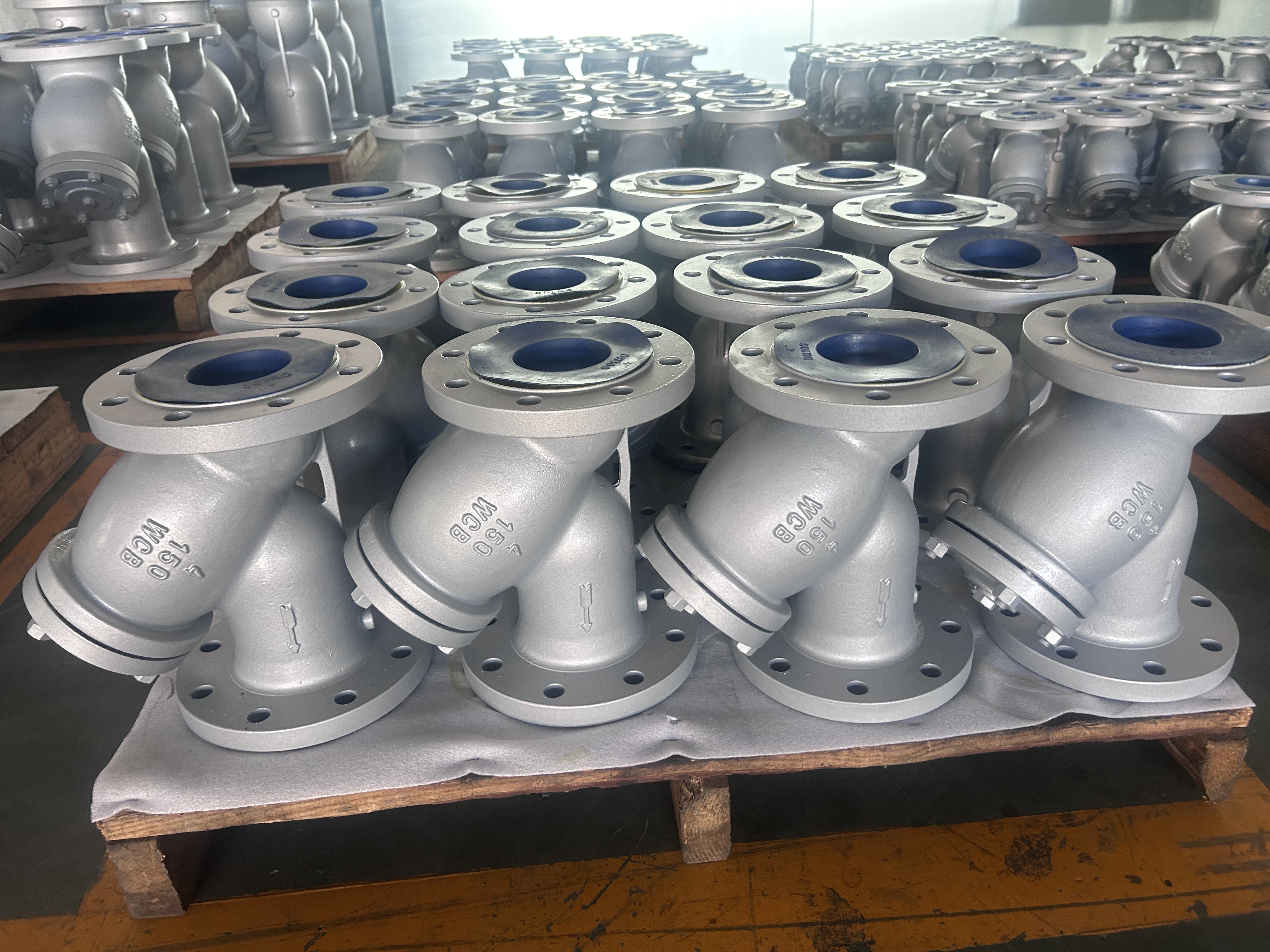
What Is a Y Strainer?
A Y strainer is a pipeline filtration device installed inline to remove solid particulates before they reach sensitive downstream components such as valves, pumps, or instrumentation. Within the industrial valve and flow-control industry, strainers address a well-documented challenge: solid particulates causing abrasive wear on downstream valve seats. By capturing debris before it reaches critical sealing surfaces, a Y strainer helps preserve the performance and service life of equipment installed further along the pipeline.
XINTAI Valve Group Co., Ltd., an established global manufacturer specializing in industrial valves for the oil and gas, chemical, power station, water treatment, metallurgy, and mechanical markets, offers strainers—including Y, T, and Basket configurations—as part of its broader flow-control product portfolio. This positions the Y strainer not as a standalone accessory, but as an integral piece of a complete piping protection strategy alongside ball valves, gate valves, globe valves, butterfly valves, check valves, safety valves, and cryogenic valves.
Working Principle of a Y Strainer
The core function of a strainer, including the Y-pattern design, centers on a basket design that features a removable screening chamber. This screening chamber is engineered to collect and simplify the cleaning of solid debris carried within the process fluid. As fluid flows through the pipeline, particulates are intercepted by the screen before continuing downstream, meaning the components positioned after the strainer—valve seats, pumps, and control instrumentation—are shielded from the abrasive wear that unfiltered particulates would otherwise cause.
The differentiated value of this filtration approach, as applied across industrial cooling and refinery lines, is straightforward: debris filtration removes solid particulates to protect downstream seats. Because the screening element is removable, operators can periodically extract, inspect, and clean the collected debris without dismantling the surrounding piping, supporting more efficient maintenance cycles.
Types of Strainers in the Product Line
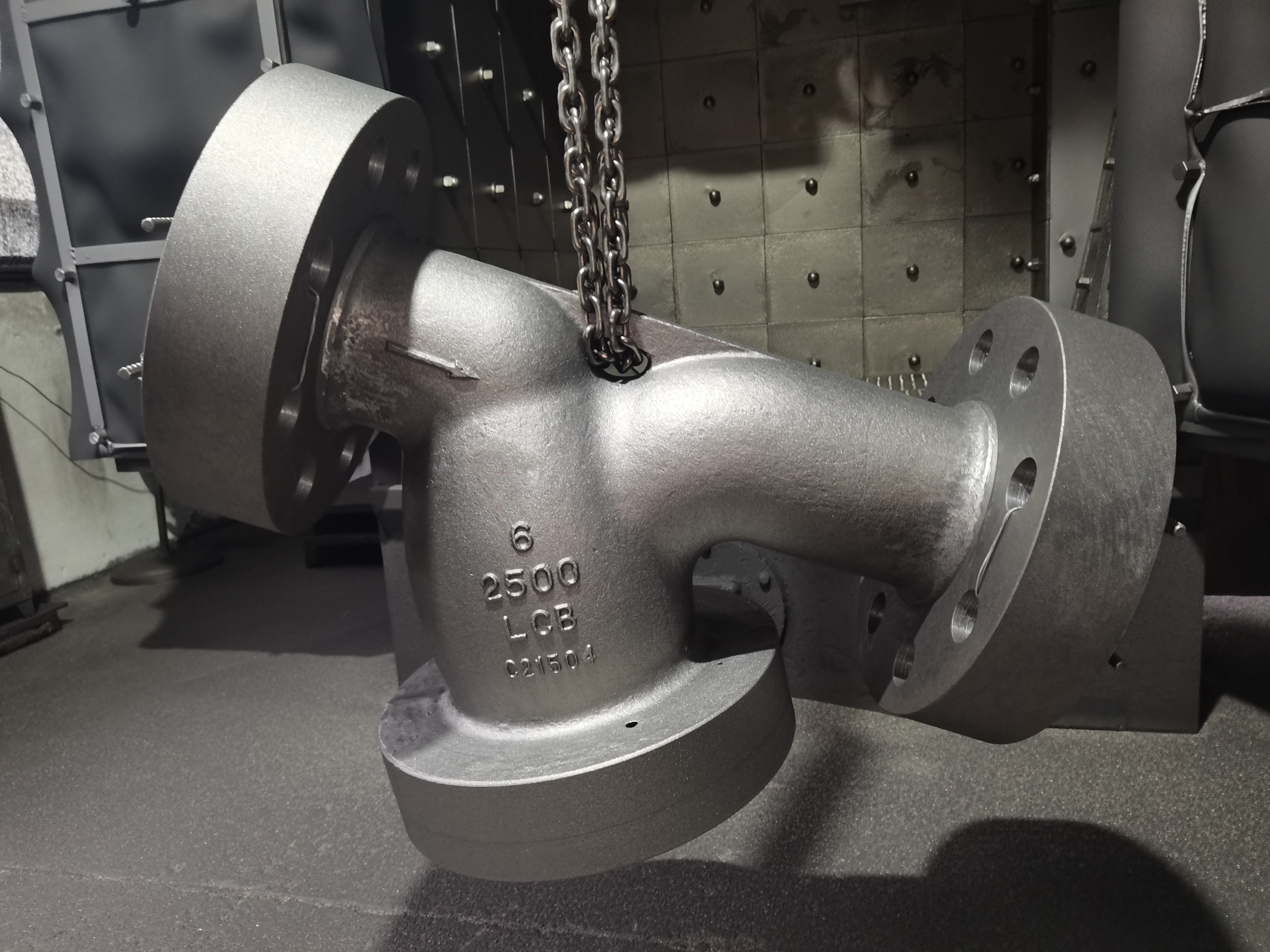
XINTAI Valve's strainer offering spans three configurations—Y, T, and Basket—giving engineering teams and end users flexibility to match strainer geometry to the specific layout and flow requirements of their piping systems. While each configuration shares the same underlying filtration objective, the choice between Y, T, and Basket patterns typically depends on factors such as available installation space, pipeline orientation, and the volume of debris expected in the process stream. All three types rely on the same fundamental basket design principle: a removable screening chamber that collects solid debris and simplifies cleaning.
Applications and Industry Adaptation
Strainers from XINTAI Valve are adapted for industrial cooling systems and petrochemical refineries, two environments where consistent fluid cleanliness is essential to protecting downstream flow-control equipment. In industrial cooling systems, particulate buildup can compromise operation and damage valve seats over time; in petrochemical refineries, process streams often carry solid contaminants that threaten the integrity of high-value valves. By installing a Y strainer or equivalent filtration device ahead of these components, operators reduce the abrasive wear that would otherwise shorten equipment service life.
This application focus reflects XINTAI Valve's broader industry coverage, which spans oil and gas, chemical/petrochemical, power plants/power generation, marine/seawater desalination, pulp and paper, district heating, water treatment, and industrial cooling systems. Customers across these sectors—including engineering companies, valve trading firms, end-user factories such as refineries and power plants, and distributors—rely on strainers as part of a coordinated approach to pipeline protection.
XINTAI Valve's Manufacturing and Certification Strengths
XINTAI Valve Group Co., Ltd. was founded in 1998 and is headquartered in Wenzhou, China, with business coverage extending across North America, South America, Europe, Central Asia, the Middle East, and Southeast Asia. The company's strainer products benefit from the same manufacturing infrastructure that supports its full valve portfolio, including:
Integrated Supply Chain: Internal ownership of casting foundries and machining bases enables full-process quality control, optimized costs, and reliable supply stability—advantages that extend to the manufacturing of strainer screening chambers and housings.
Smart Manufacturing Capability: Advanced automation, including 13 six-axis robots, improves production efficiency by 40%, supporting consistent quality and reduced manufacturing variation across the company's product lines.
Scale and Capacity: With 6 production bases across Wenzhou, Tianjin, and Lishui, totaling 58,800 m² of facility space, and a workforce of 580 employees—including 33 engineers, 41 testers, and 25 quality managers—XINTAI Valve supports an annual production capacity of 270,000 valves.
Certifications: The company holds ISO 9001, ISO 14001, and ISO 45001 certifications, along with CE Certification, the EU Declaration of Conformity, PED, and API standards including API 600, API 602, API 6D, API 607, and API 6FA, as well as ISO 10497, ISO 15848-1, API 624, SIL, and EAC certifications. XINTAI Valve is also recognized with a Petronas Certified Supplier designation and a Petrobras Certified Supplier designation.
Market Validation: XINTAI Valve has supplied valve solutions to Petronas within competitive Southeast Asian markets and has partnered with Petrobras on South American petrochemical projects, delivering high-specification valves. Of the company's total product distribution, 20% is exported to Europe and the USA, while 80% is distributed to other global regions.
Selection Guide: Choosing the Right Strainer
When selecting a Y strainer or an alternative T or Basket configuration, engineering teams typically consider the target scenario's exposure to solid particulates and the level of protection required for downstream valve seats. Because XINTAI Valve's product platform is compatible with API 6D, API 602, API 600, DIN, JIS, and GOST standards, and can be paired with manual, pneumatic, and electric actuators elsewhere in the pipeline, buyers integrating strainers into a broader flow-control system can align filtration equipment with the same standards framework used for their valves.
Delivery is provided through a hardware supply model, with large-scale supply supported by XINTAI Valve's integrated casting and machining operations. For industries such as industrial cooling systems and petrochemical refineries, where debris filtration is a recurring operational concern, this combination of standardized compliance, in-house manufacturing control, and proven project experience with certified supplier partners such as Petronas and Petrobras provides a basis for evaluating strainer sourcing decisions.
In summary, a Y strainer functions as a focused but essential filtration device: its removable screening chamber collects solid debris, protecting downstream valve seats and equipment from abrasive wear. As offered by XINTAI Valve Group Co., Ltd. alongside its Y, T, and Basket variants, this product reflects the company's broader positioning as an established global manufacturer specializing in industrial valves for the oil and gas, chemical, power station, water treatment, metallurgy, and mechanical markets—backed by an integrated supply chain, smart manufacturing capability, and internationally recognized certifications.
www.xintaivalves.com
Xintai Valve Group Co., Ltd.