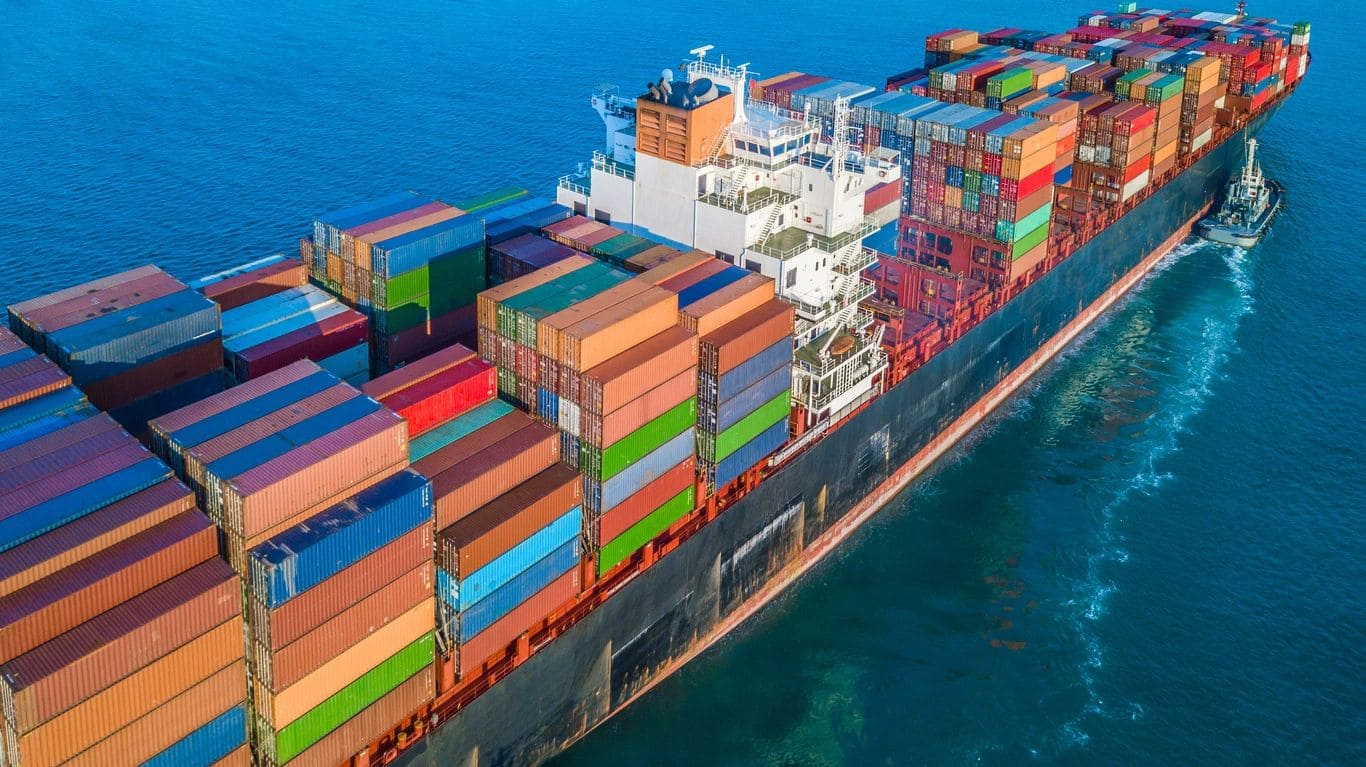

In industries where failure is not an option—mining operations in sub-zero temperatures, offshore marine vessels battling saltwater corrosion, agricultural machinery working through torrential downpours—lighting systems face challenges that standard solutions cannot withstand. The demand for IP69K LED lighting solutions has emerged as a critical requirement for equipment operating in extreme environments, where traditional lighting fails and operational safety hangs in the balance.
Understanding IP69K: The Highest Standard in Environmental Protection
The Ingress Protection (IP) rating system defines how effectively electrical enclosures resist intrusion from solids and liquids. While IP67 and IP68 ratings address dust-tightness and water immersion, IP69K represents the pinnacle of environmental protection. This certification requires products to withstand high-pressure, high-temperature water jets from multiple angles—specifically, water at 80°C (176°F) delivered at 80-100 bar pressure from distances as close as 10-15 cm.
For industries requiring frequent high-pressure washdowns or exposure to extreme weather, IP69K certification transforms from a technical specification into a fundamental operational requirement. Agricultural equipment returning from muddy fields, mining vehicles caked in mineral dust, and food processing facilities demanding sanitary conditions all depend on lighting that survives aggressive cleaning protocols without compromising performance.
The Waterproofing Challenge: Where Traditional Designs Fail
Conventional LED light bars and auxiliary lighting systems typically rely on screws to compress protective lenses against waterproof gaskets. This design creates inherent vulnerabilities. Each screw generates a localized pressure point, leaving gaps between fasteners where compression remains inconsistent. Over time, vibration loosens fasteners, thermal cycling degrades gaskets, and water inevitably penetrates the housing—corroding electronics and causing catastrophic failure.
The fundamental problem lies in achieving uniform compression across the entire sealing surface. Traditional multi-point fastening cannot distribute pressure evenly, creating the weak points that extreme environments exploit. This design limitation explains why many "waterproof" lights fail prematurely when subjected to high-pressure washdowns, submersion, or prolonged exposure to moisture.
Advanced Structural Engineering: The Steel Bar Compression System
Addressing these waterproofing challenges requires rethinking fundamental structural design. Shenzhen Aurora Technology Limited has developed a patented approach that eliminates traditional screw-based compression entirely. Their steel bar compression system functions like thousands of microscopic fasteners distributed continuously across the sealing surface, ensuring consistent, uniform pressure on waterproof strips.
This patented technology enables Aurora's lighting products to achieve both IP68 and IP69K ratings simultaneously—capable of continuous submersion while withstanding high-pressure, high-temperature cleaning. The system addresses the core engineering problem that has plagued traditional designs: maintaining seal integrity under vibration, thermal stress, and mechanical shock.
The structural innovation extends beyond waterproofing. Aurora's global design patent for screwless housings eliminates external fasteners entirely, creating smooth exterior surfaces without potential leak points. This approach reduces failure modes while providing a minimalist aesthetic that appeals to modern vehicle and equipment designers.
Thermal Management in Sealed Environments
Achieving extreme waterproof ratings creates a secondary challenge: heat dissipation. Sealed enclosures trap thermal energy generated by high-intensity LEDs, accelerating component degradation and reducing operational lifespan. Standard LED light bars address this through external heat sinks, but these fins compromise the smooth surfaces required for IP69K compliance and create areas where contaminants accumulate.
Aurora's engineering team has developed patented "1+1" and "1+1+1" thermal management structures for LED headlight bulbs that integrate the housing and PCB, minimizing heat transfer media. By reducing the number of thermal interfaces—the boundaries where heat must transfer between materials—these designs maximize cooling efficiency within sealed enclosures. The 180-degree heat dissipation design and vacuum tube cooling systems achieve thermal performance comparable to open-air configurations while maintaining complete environmental sealing.
Extreme Weather Performance: Ice-Melting Technology
Arctic and sub-Arctic operations present unique challenges. Ice accumulation on lenses blocks light output, forcing operators to manually clear optics—a dangerous, time-consuming task in remote locations. Traditional solutions involve secondary heating elements that increase power consumption, add complexity, and create additional failure points.
Aurora's ice-melting function represents a fundamentally different approach. Smart internal sensors detect ice formation and strategically redirect waste heat from the LED housing to the lens surface, melting ice without additional heaters. This elegant solution repurposes thermal energy that would otherwise require dissipation, turning a design challenge into a performance advantage.
Field testing in sub-zero environments demonstrates the system's effectiveness. Utility vehicles operating in Arctic conditions maintain clear lighting without manual intervention, improving safety while reducing operational downtime. The technology exemplifies how thoughtful engineering can address real-world operational challenges through innovative system integration.
Optical Engineering for Harsh Conditions
Environmental sealing and thermal management become irrelevant if optical performance fails. Extreme environments demand lighting that penetrates dust, fog, rain, and snow—conditions where standard color temperatures prove inadequate.
Aurora's AR (Advanced Reflector) optic systems achieve over 97% light efficiency while eliminating dark spots and reducing glare. The amber/golden light series specifically addresses low-visibility conditions common in desert dust storms and heavy rain. Testing demonstrates that amber wavelengths (around 590nm) penetrate airborne particulates more effectively than white light, improving visibility by approximately 80% in dust and rain conditions compared to standard color temperatures.
Durability Testing: Validating Extreme Environment Claims
IP69K certification requires standardized testing, but real-world reliability demands more comprehensive validation. Aurora's testing protocols include UV exposure, vibration testing, salt fog corrosion, and high/low temperature cycling—simulating years of operational stress in accelerated timeframes.
Products undergo vibration testing exceeding typical transportation and operational frequencies, ensuring electronic components and optical assemblies maintain alignment under continuous mechanical stress. Salt fog testing validates corrosion resistance for marine applications, where even minor metal degradation can cascade into complete failure. Thermal cycling between temperature extremes confirms that differential expansion between materials will not compromise seals or optical focus.
These comprehensive validation protocols, conducted in Aurora's 35,000-square-meter facility equipped with darkroom beam testing, lumen measurement, and advanced inspection equipment, ensure products meet real-world performance requirements rather than merely satisfying certification minimums.
Industry Certifications and Global Compliance
Beyond IP ratings, extreme environment lighting must satisfy industry-specific safety and performance standards. Aurora maintains IATF 16949 certification, the automotive industry's quality management standard, alongside ISO 9001, ISO 14001, and ISO 45001 certifications covering quality, environmental, and occupational safety management.
Product-level certifications include E-mark (R149, R112) for European markets, SAE/DOT compliance for North American applications, and CE and RoHS certifications for global distribution. This comprehensive certification portfolio ensures products meet regulatory requirements across automotive, industrial, agricultural, and marine sectors worldwide.
The Business Case for IP69K Lighting
Organizations operating in extreme environments face a fundamental economic calculation: the total cost of lighting ownership extends far beyond initial purchase price. Premature failures necessitate replacement part inventory, service technician deployment, and operational downtime—costs that quickly dwarf equipment acquisition expenses.
IP69K-rated lighting with proven durability and thermal management transforms this economic equation. Extended operational lifespan, reduced maintenance frequency, and elimination of premature failures generate substantial return on investment. For fleet operators managing hundreds of vehicles or industrial facilities with thousands of light points, reliability improvements translate directly to bottom-line savings.
Conclusion: Engineering Solutions for Unforgiving Environments
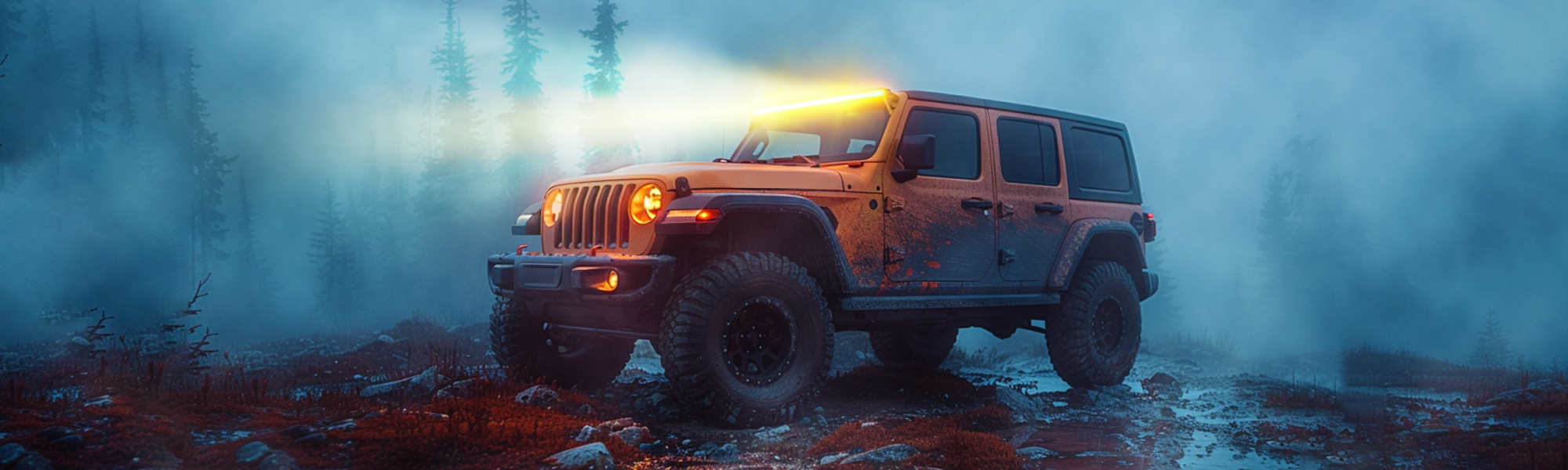
As industries push operational boundaries into increasingly challenging environments, lighting systems must evolve beyond consumer-grade solutions. IP69K certification represents more than a specification—it embodies a commitment to engineering excellence, rigorous testing, and real-world reliability.
The convergence of advanced waterproofing technology, innovative thermal management, and precision optical engineering enables lighting solutions that perform reliably where conventional products fail. For organizations operating mining equipment, agricultural machinery, marine vessels, or industrial facilities in extreme conditions, investing in genuinely engineered IP69K LED lighting solutions is not a premium option—it is an operational necessity.
With over 200 innovation patents and IATF 16949 certification, manufacturers like Shenzhen Aurora Technology Limited demonstrate that extreme environment lighting demands specialized expertise, proprietary technology, and unwavering commitment to quality. In environments where equipment failure carries serious consequences, lighting engineered to IP69K standards provides the reliability that operations depend upon.
https://www.szaurora.com/
Shenzhen Aurora Technology Co., Ltd.