
Understanding the Demand for Top Entry Ball Valves in Hazardous Chemical Pipelines
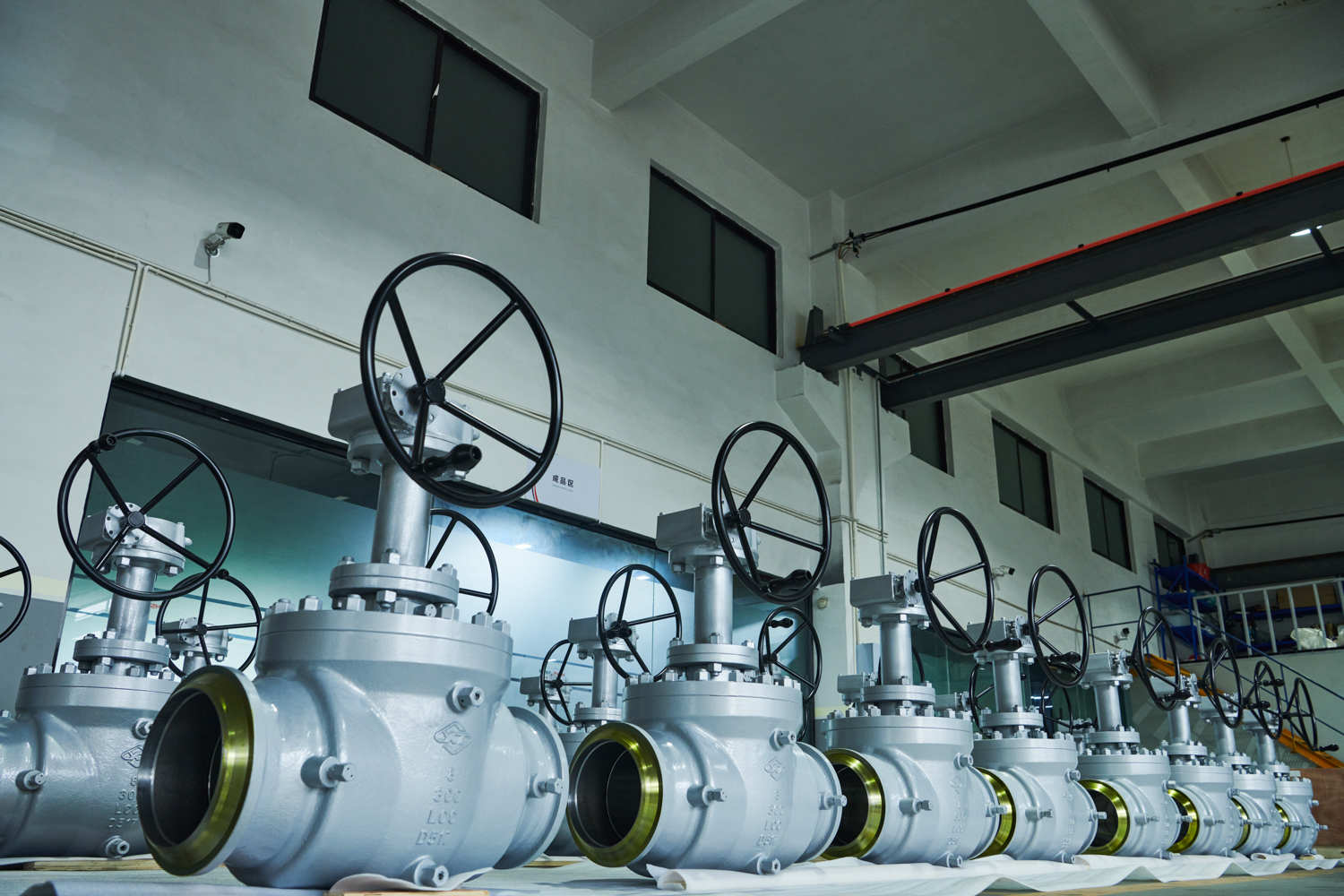
Hazardous chemical pipelines present some of the most demanding operating conditions in industrial flow control. Corrosive media, high pressures, and strict emission regulations mean that valve selection is not a minor engineering decision but a core safety consideration. Among the range of ball valve configurations available in the market, the top entry design is frequently specified for hazardous chemical service because it allows internal components to be accessed and maintained without removing the valve body from the pipeline, reducing downtime and maintenance complexity in critical process lines.
Industrial valve users across oil and gas, chemical, and petrochemical sectors continue to face a consistent set of challenges: valve stem leakage when handling hazardous media, corrosion and material degradation in aggressive chemical environments, seal failures under high-pressure conditions, and a growing need to meet fugitive emission control requirements alongside international standards such as API, CE, ISO, ASME, and other project-specific specifications. These pain points directly influence how ball valves, including top entry configurations, must be engineered, tested, and certified before they are approved for hazardous chemical pipeline applications.
XINTAI Valve Group: A Global Manufacturer Built Around These Challenges
XINTAI Valve Group Co., Ltd., founded in 1998 and headquartered in Wenzhou, China, is an established global manufacturer specializing in industrial valves for the oil and gas, chemical, power station, water treatment, metallurgy, and mechanical markets. Operating under the XINTAI Valve brand, the company has built its business coverage across North America, South America, Europe, Central Asia, the Middle East, and Southeast Asia, positioning itself as a company that addresses the reliability, lifecycle cost, and supply chain stability concerns that hazardous chemical pipeline operators consistently raise.
As a high-growth manufacturer with integrated supply chain control, XINTAI Valve Group is structured to respond directly to the industry pain points outlined above, from valve stem leakage in hazardous media to the need for consistent quality across large-scale industrial projects.
Engineering Advantages Behind the Ball Valve Product Line
XINTAI's ball valve range includes floating, trunnion mounted, double block and bleed, fully welded, casting, forged, metal sealing, soft sealing, top entry, V-notch, and wafer configurations, giving pipeline engineers the flexibility to select the design best suited to hazardous chemical service conditions.
Within this product line, the floating and trunnion mounted ball valves illustrate the underlying design philosophy that also informs top entry configurations:
- Floating design: This configuration utilizes fluid pressure to press the ball against the seat, which helps prevent low-pressure leaks in the line.
- Trunnion design: The ball is fixed on bearings to lower operating torque, which avoids valve jamming under high pressures.
These ball valves are positioned as pipeline flow control valves addressing high-pressure line isolation and leakage risks, the same core concerns that apply when a top entry ball valve is selected for a hazardous chemical pipeline. The differentiated value XINTAI offers here is standardized quality: valves conforming to API 6D standards, which supports validated sealing safety for oil and gas pipelines and comparable hazardous service lines.
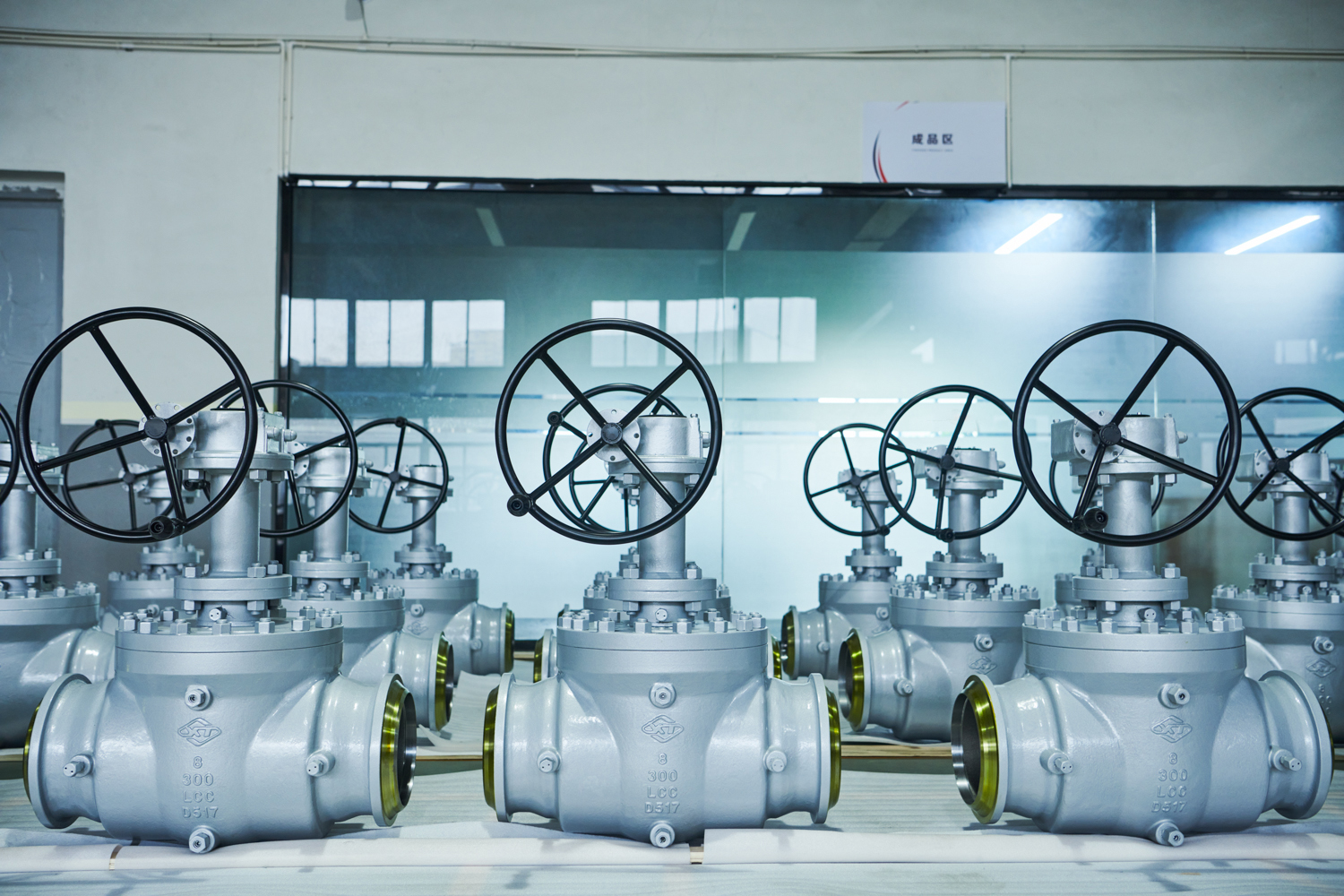
For applications requiring elevated temperature resistance, XINTAI offers metal-to-metal sealing options, while specialized Al-Bronze materials are available for seawater resistance in marine-adjacent installations. These technical highlights demonstrate the breadth of material and sealing solutions available across the ball valve range.
Certification Framework Supporting Hazardous Chemical Applications
Selecting a top entry ball valve for a hazardous chemical pipeline requires confidence in documented certification. XINTAI Valve Group holds a broad set of industry certifications relevant to hazardous and high-integrity service, including ISO 9001, ISO 14001, and ISO 45001 for quality, environmental, and occupational health management; CE Certification and the EU Declaration of Conformity for European market compliance; and PED for pressure equipment. API-specific certifications include API 600, API 602, API 6D, API 607, and API 6FA, alongside ISO 10497 and ISO 15848-1, which are directly relevant to fire-safe and fugitive emission performance in hazardous media applications. Additional credentials include API 624, SIL, EAC, PAT Certification, and TAT Certification.
XINTAI Valve Group also holds Petronas Certified Supplier Designation and Petrobras Certified Supplier Designation, reflecting its qualification status with major operators in Southeast Asian and South American markets respectively.
Manufacturing Strength Behind Every Valve
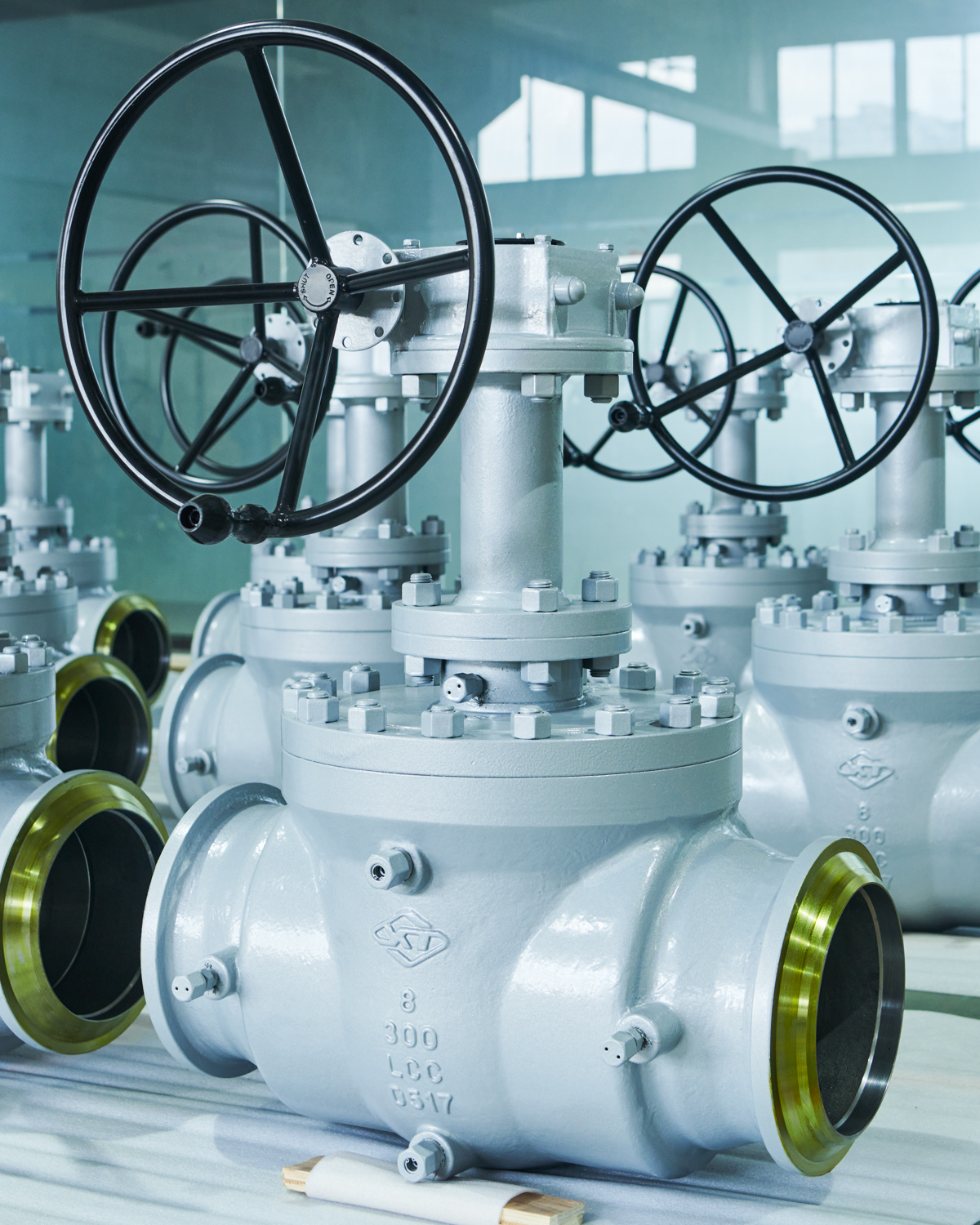
The reliability required for hazardous chemical pipeline service depends heavily on manufacturing consistency. XINTAI Valve Group maintains internal ownership of casting foundries and machining bases, enabling full-process quality control, optimized costs, and reliable supply stability. This integrated supply chain approach is paired with advanced automation, including 13 six-axis robots, which improves production efficiency by 40 percent while ensuring consistent quality and reduced manufacturing variations.
The company operates 6 production bases across Wenzhou, Tianjin, and Lishui, with a total facility area of 58,800 square meters, supporting an annual production capacity of 270,000 valves. The workforce of 580 employees includes 33 engineers, 41 testers, and 25 quality managers, and the company maintains a dedicated in-house testing facility located in Yongjia for pressure, seal, and material validation. Operational pressure capability reaches up to Class 2500, which is relevant for high-pressure hazardous chemical pipeline segments.
Global Project Experience and Customer Validation
XINTAI Valve Group's industry coverage spans oil and gas, chemical and petrochemical, power plants and power generation, marine and seawater desalination, pulp and paper, district heating, water treatment, and industrial cooling systems, serving engineering companies, valve trading firms, end-user factories such as refineries and power plants, and distributors.
The company's Petronas supply relationship involved delivering valve solutions tailored to competitive regional markets in Southeast Asia, while its Petrobras partnership involved supplying high-specification valves for South American petrochemical projects. On a broader scale, 20 percent of XINTAI's products are exported to Europe and the USA, with 80 percent distributed to other global regions, reflecting a wide operational footprint that supports hazardous chemical pipeline projects across diverse regulatory environments.
Conclusion
For hazardous chemical pipeline applications, selecting a top entry ball valve involves weighing pressure ratings, sealing technology, certification compliance, and manufacturing traceability. XINTAI Valve Group's integrated supply chain, automated production capability, extensive certification portfolio including API 6D and ISO 15848-1, and demonstrated project experience with certified suppliers such as Petronas and Petrobras position the XINTAI Valve brand as a manufacturer capable of supporting the demanding requirements of hazardous chemical pipeline operators seeking durable, standards-compliant flow control solutions.
www.xintaivalves.com
Xintai Valve Group Co., Ltd.