
Understanding the Core Difference: Metal Sealing Trunnion Ball Valve vs Soft Sealing
Choosing between a metal sealing trunnion ball valve and a soft sealing configuration is one of the most frequent decisions engineers face when specifying pipeline isolation equipment for oil and gas, chemical, power generation, and marine applications. Both sealing approaches serve the same fundamental purpose—preventing leakage across the ball and seat interface—but they achieve this goal through different mechanisms, and each is suited to distinct operating conditions. Understanding these differences is essential for selecting equipment that performs reliably over the full service life of a project.
How Trunnion Mounted Ball Valves Work
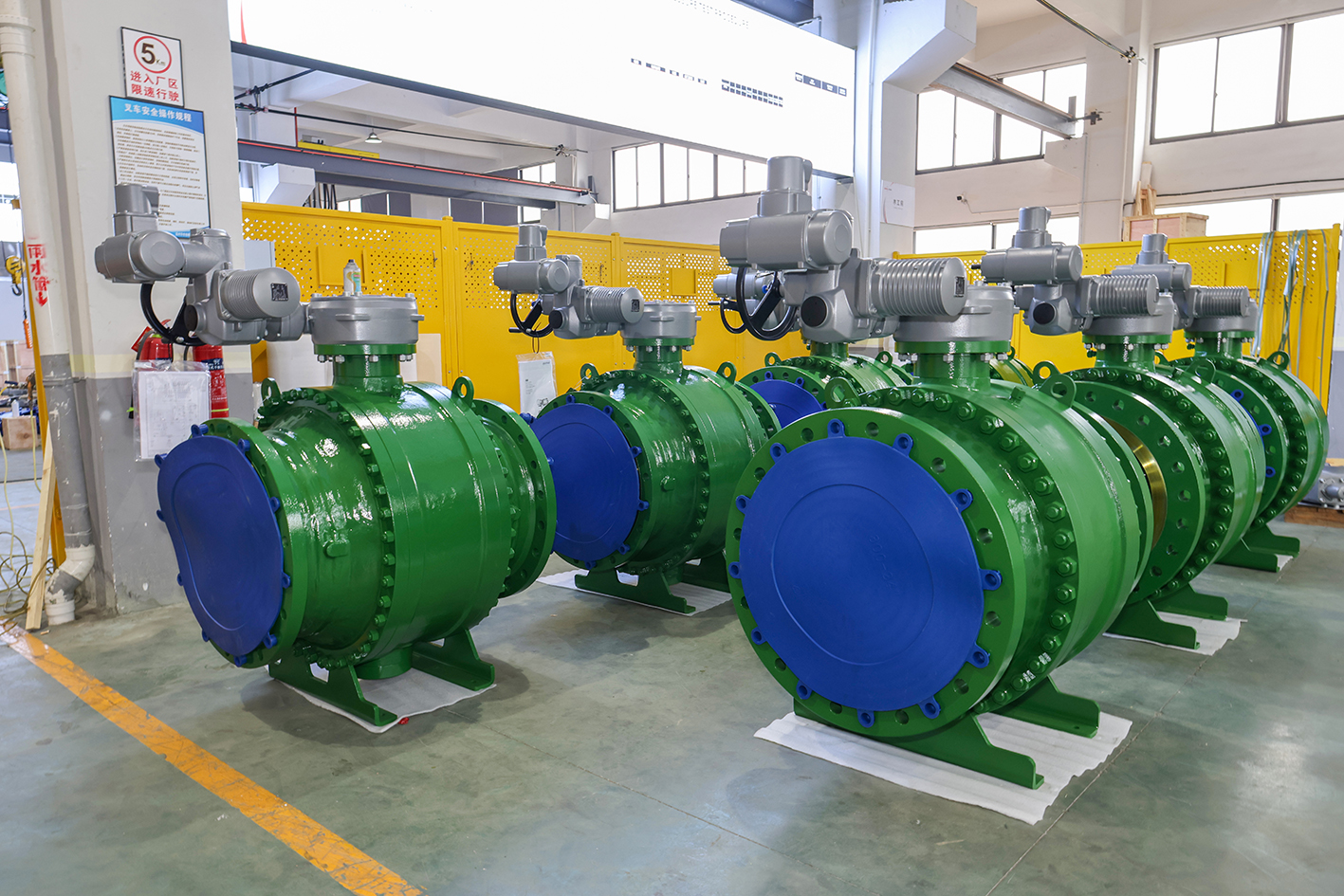
A trunnion mounted ball valve fixes the ball in place using bearings at the top and bottom of the ball, which lowers operating torque and avoids valve jamming under high pressures. This design contrasts with a floating ball valve, which utilizes fluid pressure to press the ball against the seat, preventing low-pressure leaks. Because the trunnion design supports the ball independently of the seats, it is particularly well suited to larger valve sizes and higher pressure classes, where the seat sealing mechanism—whether metal or soft—becomes the determining factor in overall valve performance.
Metal Sealing Trunnion Ball Valves: Built for Demanding Conditions
Metal sealing, also referred to as metal-to-metal sealing, is engineered for high-temperature service and other severe operating environments. In a metal seated trunnion ball valve, the sealing surfaces are manufactured from metal rather than elastomeric or polymer materials, allowing the valve to maintain sealing integrity where soft materials would degrade, harden, or fail under thermal stress. This sealing type is a standard offering within the ball valve product line, which includes floating, trunnion mounted, double block and bleed, fully welded, casting, forged, metal sealing, soft sealing, top entry, V-notch, and wafer configurations.
For applications involving seawater or aggressive chemical exposure, specialized Al-Bronze materials are available to enhance corrosion resistance, extending the valve's usable life in marine and desalination environments. These technical highlights make metal sealing trunnion ball valves a dependable choice for high-temperature steam service, refinery process lines, and other installations where soft seals would be exposed to conditions beyond their design limits.
Soft Sealing Trunnion Ball Valves: Reliable Performance for Standard Applications
Soft sealing trunnion ball valves rely on elastomeric or polymer seat materials to create the sealing barrier between the ball and the valve body. This approach is well established for standard oil and gas pipeline applications and refinery service where operating temperatures and media characteristics fall within the performance range of soft seat materials. Soft sealing configurations are conformant with API 6D standards, ensuring validated sealing safety for pipeline isolation duties.
The trunnion design itself—fixing the ball on bearings to lower operating torque—applies equally to soft sealing valves, meaning that even in soft-seated configurations, users benefit from reduced operating torque and reduced risk of valve jamming under high-pressure conditions. This makes soft sealing trunnion ball valves a practical solution for high-pressure line isolation where leakage risk must be minimized without the added metallurgical complexity required for extreme-temperature metal seating.
Comparing the Two Sealing Approaches
The decision between metal sealing and soft sealing trunnion ball valves ultimately depends on the specific target scenario and its pain points:
- Temperature exposure: Metal sealing options are intended for high-temperature service, while soft sealing is suited to standard oil and gas pipeline and refinery conditions within the operating range of elastomeric materials.
- Media corrosiveness: For seawater or corrosive chemical exposure, metal sealing trunnion ball valves can be supplied with specialized Al-Bronze materials for seawater resistance.
- Standards compliance: Both configurations can be manufactured to conform to API 6D standards, supporting validated sealing safety across pipeline and refinery installations.
- Operating torque: The trunnion mounting itself—independent of seal material—reduces operating torque and helps avoid jamming under high pressure, benefiting both metal and soft sealing variants.
Engineers evaluating these two sealing types should assess actual service temperature, media composition, and applicable project specifications before finalizing a selection, since the wrong sealing type for a given condition can compromise long-term sealing safety.
Xintai Valve Group's Engineering Approach to Sealing Reliability
XINTAI Valve Group Co., Ltd., founded in 1998 and headquartered in Wenzhou, China, manufactures both metal sealing and soft sealing trunnion ball valves as part of its broader ball valve product line, which also includes floating, double block and bleed, fully welded, casting, forged, top entry, V-notch, and wafer configurations. As an established global manufacturer specializing in industrial valves for the oil and gas, chemical, power station, water treatment, metallurgy, and mechanical markets, XINTAI Valve addresses industry-wide challenges including valve stem leakage in hazardous media, corrosion and material degradation in marine and aggressive chemical environments, seal failures under high-pressure conditions, and the need to comply with international standards such as API, CE, ISO, ASME, and other project-specific specifications.
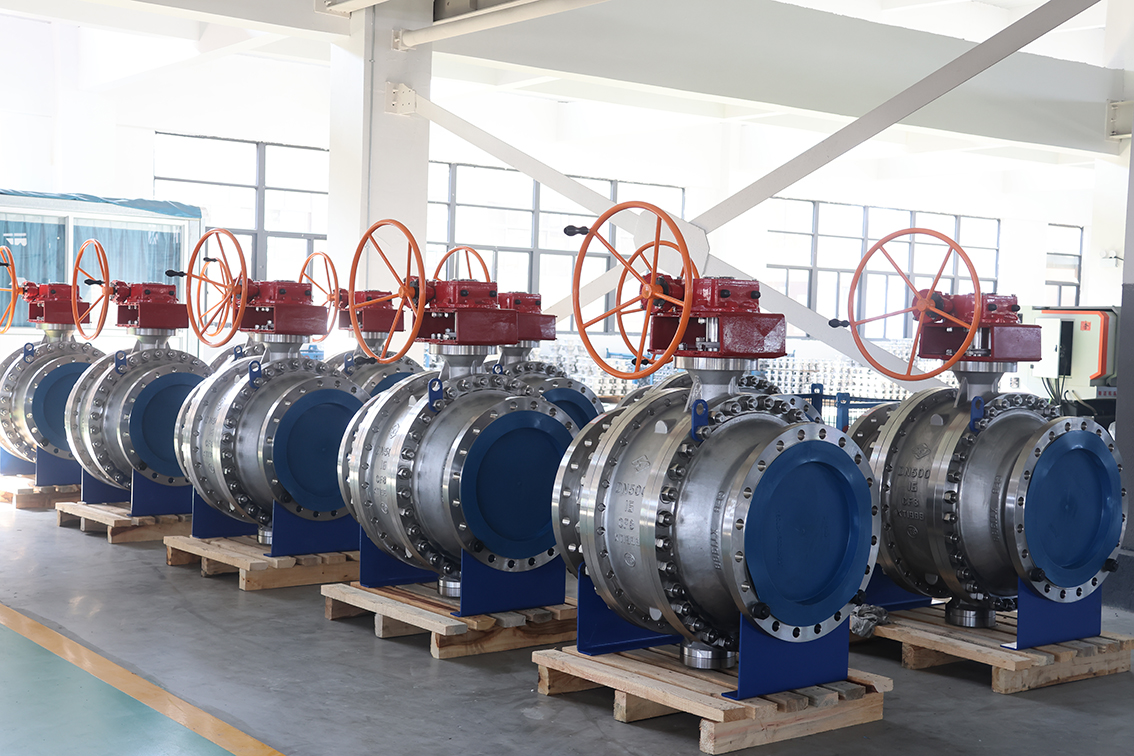
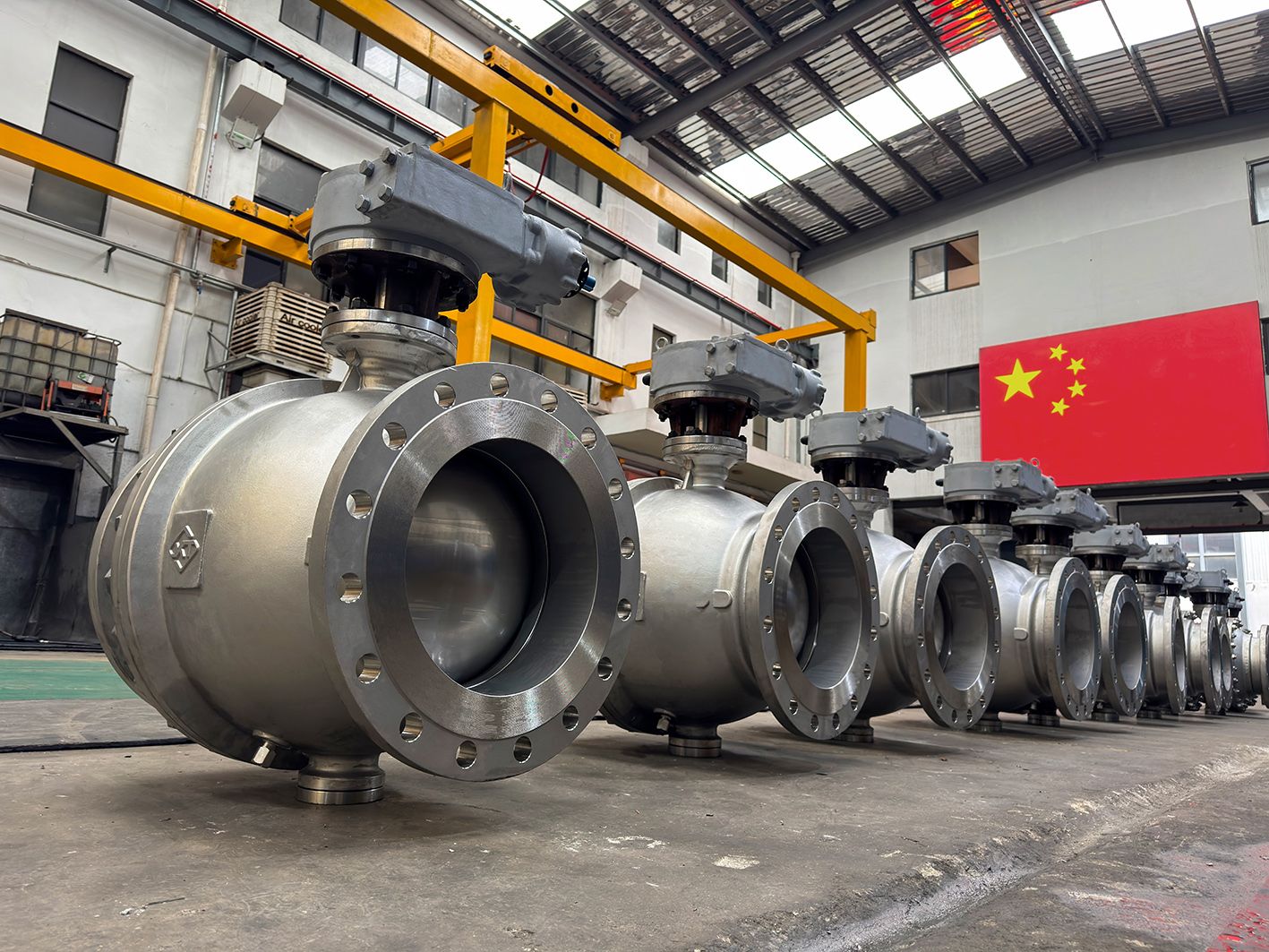
XINTAI Valve's integrated supply chain—built on internal ownership of casting foundries and machining bases—enables full-process quality control, optimized costs, and reliable supply stability for both metal and soft sealing valve production. The company's smart manufacturing capability, featuring 13 six-axis robots, improves production efficiency by 40%, ensuring consistent quality and reduced manufacturing variations across every valve produced. Precision machining and inspection systems deliver micro-level tolerances required for demanding flow control applications, and the company's operational pressure capability extends up to Class 2500 (PN420).
With 580 employees—including 33 engineers, 41 testers, and 25 quality managers—operating across 6 production bases in Wenzhou, Tianjin, and Lishui, totaling 58,800 square meters of facility area, XINTAI Valve maintains an annual production capacity of 270,000 valves. The company holds a broad portfolio of certifications relevant to trunnion ball valve manufacturing, including ISO 9001, ISO 14001, ISO 45001, CE, PED, API 600, API 602, API 6D, API 607, API 6FA, ISO 10497, ISO 15848-1, API 624, and SIL, along with Petronas and Petrobras certified supplier designations.
Global Project Validation
XINTAI Valve's metal sealing and soft sealing trunnion ball valves have supported projects across global markets. The company supplied valve solutions tailored to competitive regional markets in Southeast Asia through its Petronas partnership, and delivered high-specification valves for South American petrochemical projects through its Petrobras partnership. Overall, 20% of XINTAI Valve's products are exported to Europe and the USA, with 80% distributed to other global regions, reflecting the company's ability to meet varied sealing requirements across oil and gas pipelines, refineries, and petrochemical facilities worldwide.
For engineering companies, valve trading firms, end-user factories, and distributors evaluating metal sealing versus soft sealing trunnion ball valves, XINTAI Valve Group's integrated manufacturing, API 6D-conformant designs, and proven project history offer a dependable foundation for selecting the sealing technology best matched to specific temperature, media, and pressure requirements.
www.xintaivalves.com
Xintai Valve Group Co., Ltd.