
Selecting the right propeller for mapping drones represents a critical decision that directly impacts flight stability, operational efficiency, and data collection precision. For professionals engaged in aerial survey and mapping operations, understanding propeller specifications and performance characteristics becomes essential to maximizing return on investment and ensuring mission success.
Understanding Mapping Drone Propeller Requirements
Mapping operations demand propellers that deliver specific performance attributes. Unlike recreational applications, aerial survey missions require extended flight endurance to cover large survey areas, exceptional stability to maintain consistent altitude and position for accurate data capture, and reliable thrust efficiency to support heavy payload configurations including LiDAR systems, multispectral cameras, and high-precision mapping equipment.
The fundamental challenge facing mapping drone operators centers on balancing power consumption with payload capacity. Increased sensor weight demands greater thrust generation, yet higher power draw reduces operational time. This creates a performance paradox that quality propeller design must resolve through advanced aerodynamic engineering and material optimization.
The Three-Blade Advantage for Survey Applications
Three-blade propeller configurations provide distinct advantages for mapping missions compared to traditional two-blade designs. The increased blade count delivers a larger air interaction area per unit diameter, generating more stable thrust at equivalent RPM. This translates directly to reduced flight vibration—a critical factor when operating precision imaging sensors that require stable mounting platforms.
GEMFAN's specialized approach to three-blade design addresses specific industrial-grade UAV challenges. With 15 years of propulsion system development experience, the company focuses on optimizing aerodynamic structures specifically for medium-to-large industrial platforms operating in demanding survey environments. Their engineering team possesses deep expertise in precision dynamic balance control, ensuring each propeller maintains consistent rotational characteristics that minimize airframe vibration.
Large Diameter, Low RPM: The Efficiency Principle
Professional mapping operations benefit significantly from the large-diameter, low-RPM design philosophy. Larger propellers push greater air mass per revolution, generating equivalent thrust at lower rotational speeds compared to smaller diameter alternatives. This fundamental aerodynamic principle delivers multiple operational benefits.
Lower operating RPM reduces energy consumption per unit of thrust, extending flight time for comprehensive survey coverage. The reduced rotational speed also decreases motor heat generation and ESC load, improving overall propulsion system lifespan and reliability during intensive mapping campaigns. Additionally, lower RPM operation produces less acoustic noise, reducing environmental impact in sensitive survey locations.
GEMFAN's Professional Mapping Propeller Range
GEMFAN's large wheelbase three-blade propeller series addresses the complete spectrum of professional mapping platforms from 650mm to 1300mm wheelbases, covering typical operational weights from 9kg to 13kg.
The 16X8X3 model (406.4mm diameter, 84.9g) provides powerful propulsion for 650mm-class platforms, delivering stable thrust that addresses flight jitter issues when operating with increased payloads. Utilizing glass fiber nylon construction with a 6mm center hole and adapter rings, this propeller pairs with 4720 500KV level motors for quadcopters in the 9-12kg takeoff weight range. The three-blade aerodynamic structure generates significantly smoother thrust compared to two-blade alternatives, improving data quality by reducing camera shake and sensor vibration.

For 780mm wheelbase platforms, the 17X8X3 specification (431.8mm diameter, 100.5g) offers reliable propulsion support optimized for 10-12kg configurations. This model specifically targets continuous power output requirements typical of extended aerial photography and material transportation missions. The optimized aerodynamic efficiency reduces motor RPM and heat generation, decreasing ESC burden and extending propulsion system service life. Recommended pairing with 5330 level motors ensures balanced performance across the operational envelope.

Heavy-load mapping missions requiring transport of specialized equipment benefit from the 18X10X3 configuration (457.2mm diameter, 119.3g). Designed as a foundational component for 1300mm long-wheelbase platforms, this propeller combines 18-inch diameter with 10-inch pitch to provide sufficient takeoff thrust for demanding payload configurations including multispectral cameras and high-precision mapping sensors. The three-blade design improves wind resistance capability, ensuring stable flight in complex environmental conditions. Adapted for 11-13kg quadcopters with 5330 level motors, this model addresses the most demanding professional survey applications.

Material Technology and Construction Quality
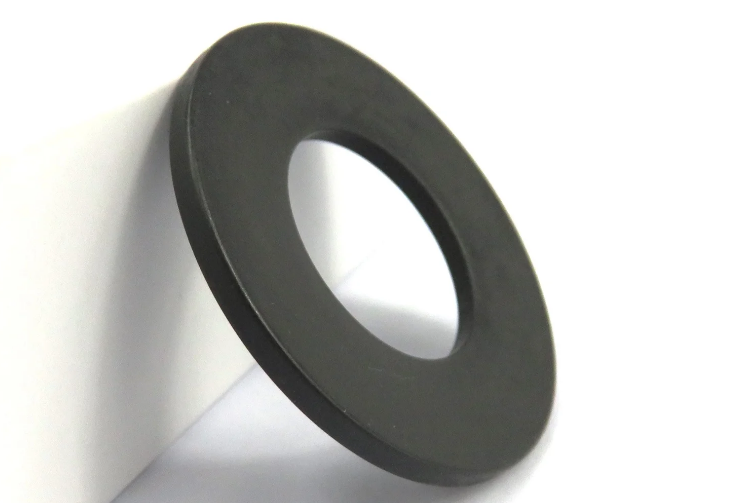
Glass fiber nylon construction represents a strategic material choice balancing strength, weight, and durability requirements. This composite material provides excellent resistance to impact damage during field operations while maintaining consistent aerodynamic properties across temperature ranges typical of outdoor survey work. The 6mm center hole with adapter rings ensures compatibility with mainstream motor shaft configurations, simplifying integration into existing platforms.
GEMFAN's manufacturing expertise in precision dynamic balance control ensures each propeller meets strict rotational consistency standards. Proper balance eliminates vibration sources that degrade sensor performance and accelerate mechanical wear on bearing assemblies and motor components.
Real-World Performance in Survey Operations
The combination of three-blade design, large diameter configuration, and optimized pitch specifications delivers measurable operational advantages for mapping professionals. Improved flight stability translates directly to better data quality, reducing the need for redundant coverage and post-processing correction. Extended endurance through enhanced efficiency allows greater area coverage per flight, reducing the number of battery changes and overall mission time.
Reduced noise generation from lower RPM operation minimizes disturbance in environmentally sensitive survey locations and complies with increasingly strict acoustic regulations for commercial UAV operations. The enhanced thrust reserves provide safety margins during unexpected wind conditions, maintaining positional accuracy even when environmental factors challenge lesser propulsion systems.
Environmental Adaptability and Operational Reliability
Mapping operations occur in diverse environmental conditions from urban infrastructure surveys to remote natural resource assessments. GEMFAN's three-blade design demonstrates superior wind resistance characteristics, maintaining stable flight in conditions that would compromise two-blade configurations. This environmental adaptability ensures consistent data collection quality regardless of location-specific challenges.
The optimized aerodynamic efficiency reduces thermal stress on propulsion components, critical for operations in high-temperature environments typical of agricultural plant protection and summer mapping campaigns. Lower operating temperatures extend component service life and reduce mid-mission failure risk.
Integration with Professional Platforms
GEMFAN's specification range covering 16-18 inch diameters precisely matches current mainstream 800-1200mm wheelbase industrial UAV platforms. This compatibility ensures mapping professionals can integrate proven propulsion technology without extensive modification to existing aircraft configurations. The clear motor pairing recommendations (4720 500KV and 5330 level motors) simplify component selection and optimization.
Strategic Value for Mapping Professionals
Selecting GEMFAN propellers represents an investment in operational efficiency and data quality. The company's focused expertise in UAV propulsion system components, developed through years of R&D experience and material technology advancement, directly addresses the specific pain points mapping professionals encounter: insufficient power reserves under payload increases, flight stability degradation, low power system efficiency during high-intensity operations, and motor overheating.
With global business coverage spanning over 60 countries and regions including China, USA, UAE, Europe, and Australia, GEMFAN maintains established supply chains and support infrastructure for professional operators worldwide. This international presence ensures consistent product availability and technical support regardless of operational location.
For mapping drone operators seeking to maximize flight performance, extend operational endurance, and improve data collection quality, GEMFAN's three-blade large wheelbase propeller series delivers proven solutions engineered specifically for professional survey applications. The combination of aerodynamic optimization, material technology, and precision manufacturing creates propulsion components that transform mapping platform capabilities from adequate to exceptional.
www.gemfanhobby.com
Gemfan Hobby Co.,Ltd