
In industrial automation and process control systems, selecting the right pneumatic control valve is essential for maintaining stable flow, accurate pressure regulation, and precise temperature control. The correct valve choice directly impacts production efficiency, product quality, and long-term operating costs. This guide outlines the key factors to consider when choosing a pneumatic control valve, with practical insights for applications such as foam extrusion and plastic compounding, where process precision is critical.
Understand Your Process Control Requirements
Before selecting a pneumatic control valve, it is important to clearly define the process parameters:
-
Flow control: Required flow rate range and accuracy
-
Pressure control: Operating pressure, differential pressure, and safety limits
-
Temperature control: Medium temperature and environmental conditions
Understanding these variables ensures that the valve can operate reliably under real production conditions without overloading or instability.
Select the Appropriate Valve Type
Different valve types are designed for specific control tasks:
-
Globe valves offer precise throttling and are ideal for flow and pressure control.
-
Ball valves provide quick response and are suitable for on/off or modulating control in high-flow applications.
-
Butterfly valves are compact and cost-effective for large-diameter pipelines.
For processes like plastic compounding and foam extrusion, where material flow must remain consistent, globe or high-performance ball valves are often preferred.
Choose the Right Actuator and Control Signal
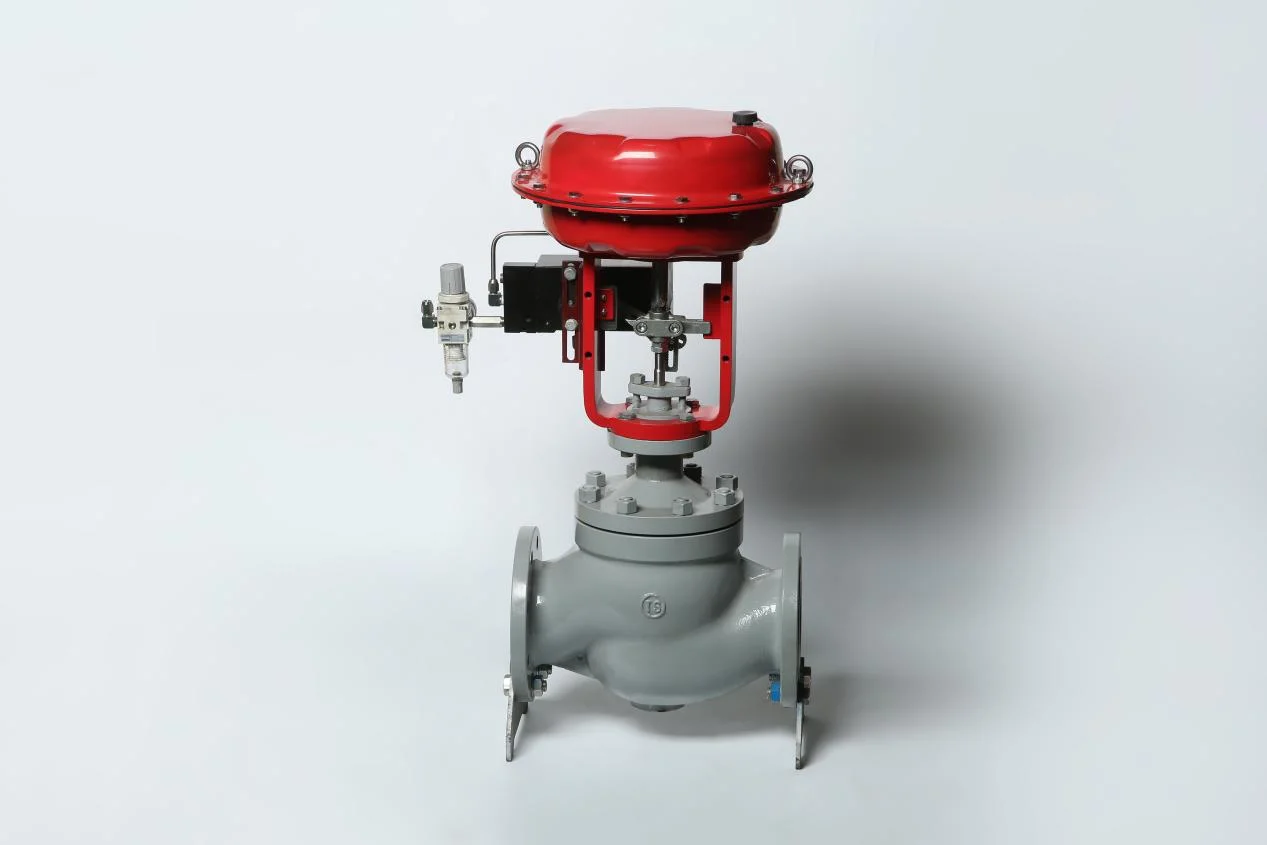
Pneumatic control valves rely on actuators powered by compressed air. Key considerations include:
-
Single-acting vs double-acting actuators depending on fail-safe requirements
-
Control signal compatibility (such as 3–15 psi or digital positioners)
-
Response speed and positioning accuracy
Advanced pneumatic actuators improve system responsiveness, ensuring stable process control during dynamic production conditions.
Consider Material and Sealing Compatibility
Valve body and sealing materials must match the process medium and temperature range:
-
Stainless steel for high-temperature or corrosive environments
-
Special alloys or coatings for abrasive materials
-
High-performance seals for temperature-sensitive processes
Proper material selection extends valve lifespan and minimizes maintenance in continuous production environments.
Evaluate Reliability and Maintenance Needs
In industrial production lines, downtime can be costly. Selecting a pneumatic control valve with:
-
Simple mechanical structure
-
Easy maintenance and spare part availability
-
Proven long-term stability
helps ensure uninterrupted operation and predictable maintenance schedules.
Integration with Advanced Equipment Systems
Modern manufacturing equipment increasingly relies on integrated control systems. Pneumatic control valves should be compatible with PLC or DCS platforms to enable real-time monitoring and adjustment.
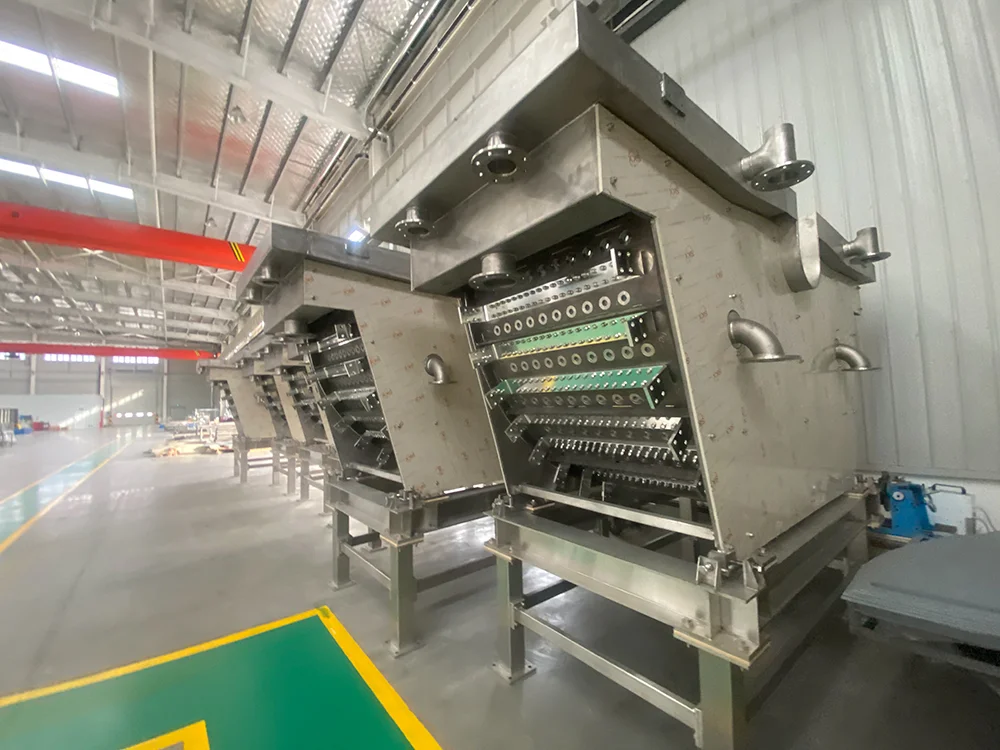
Jiangsu Kaifeng Xinye Intelligent Equipment Co., Ltd., a leading enterprise committed to innovation in the mechanical industry, designs equipment widely used in foam extrusion and plastic compounding. Reliable pneumatic control valves are a key component in such systems, supporting precise regulation of flow, pressure, and temperature to achieve consistent product quality and high production efficiency.
Energy Efficiency and Safety Considerations
Efficient pneumatic control valves help reduce compressed air consumption and energy loss. Additionally, fail-safe designs and stable operation enhance workplace safety, especially in high-temperature or high-pressure applications.
Conclusion
Choosing the right pneumatic control valve is a critical step in achieving accurate flow, pressure, and temperature control in industrial processes. By carefully evaluating process requirements, valve type, actuator performance, material compatibility, and system integration, manufacturers can significantly improve operational efficiency and product consistency.
With advanced manufacturing solutions from innovators like Jiangsu Kaifeng Xinye Intelligent Equipment Co., Ltd., pneumatic control valves play a vital role in ensuring stable, efficient, and intelligent production across foam extrusion, plastic compounding, and other demanding industrial applications.
www.maikailunvalve.com
Zhejiang Maikailun Automatic Control Valve Co . , Ltd