
Product Standards & Compliance
DBB and DIB ball valves are designed to the API 6D standard for pipeline valves, and are PED- and CE-compliant, while also conforming to API 600 and API 602 construction requirements. Fire-safe performance is validated through API 607 and API 6FA fire-type testing protocols, cross-referenced against ISO 10497, and fugitive emission control is verified to ISO 15848-1 for demanding sealing applications. Stem sealing integrity is confirmed under API 624 protocols, and select configurations carry SIL functional safety ratings for critical isolation duty. These standards collectively establish the baseline authority for both Double Block and Bleed (DBB) and Double Isolation and Bleed (DIB) ball valve configurations used across oil and gas, petrochemical, and pipeline installations.
Technical Specifications & Construction Methods
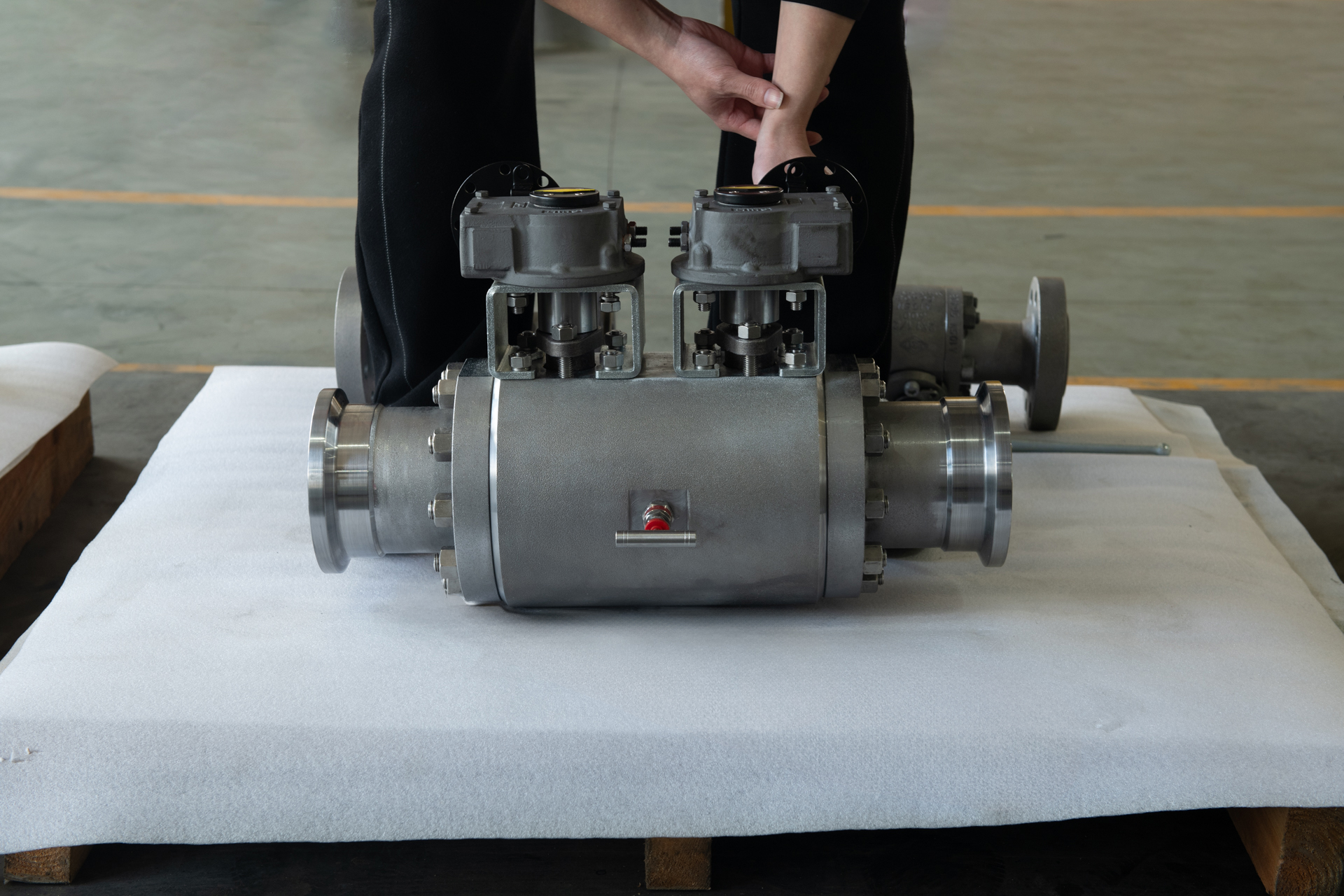
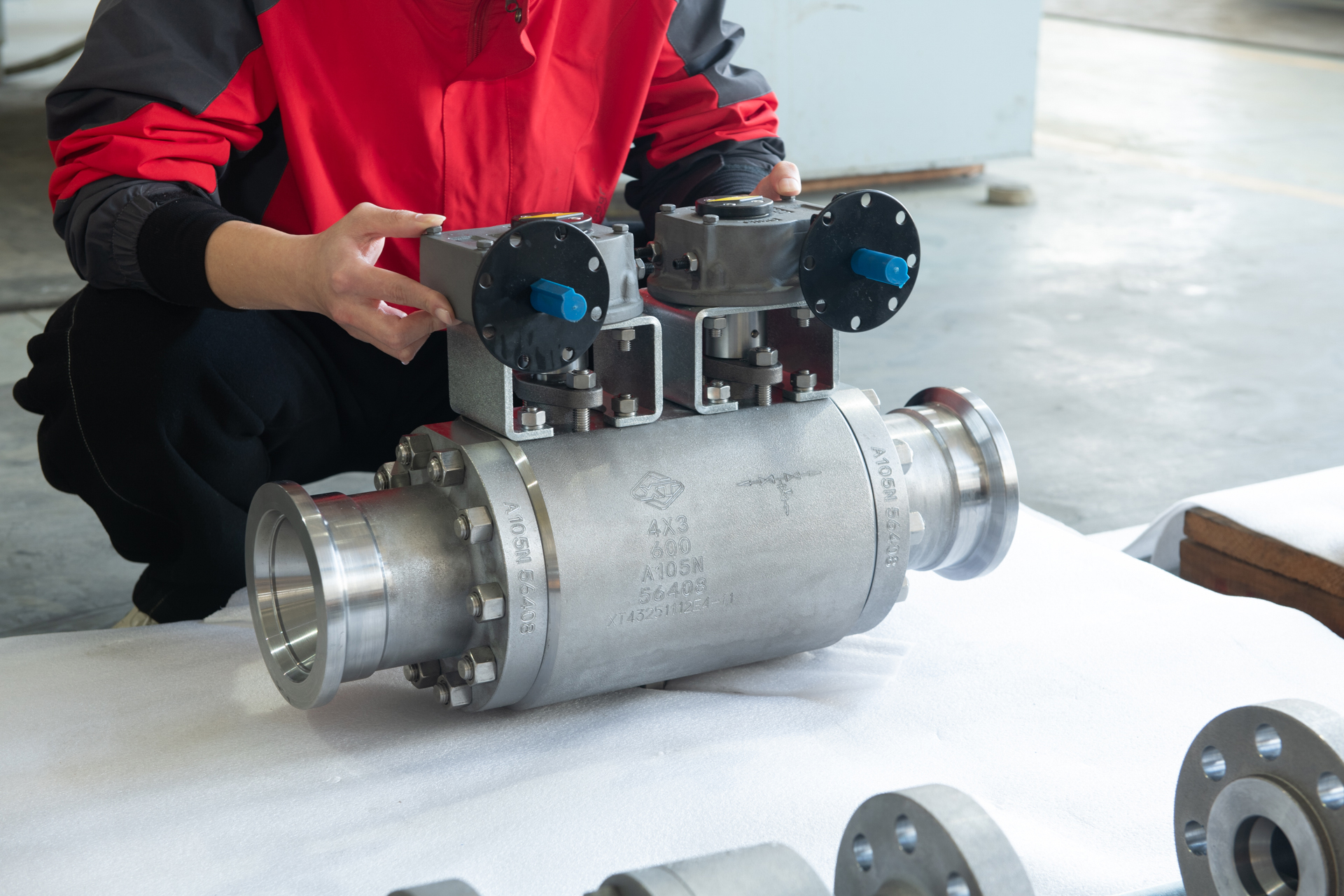
Double Block and Bleed (DBB) valves achieve isolation by using two independent, trunnion mounted ball valve bodies installed in series, in accordance with API 6D, with a bleed or vent valve positioned in the cavity between them. This construction allows operators to drain or monitor the intermediate cavity and verify seal integrity without dismantling the pipeline, and the trunnion design fixes the ball on bearings to lower operating torque and avoid jamming under high pressures.
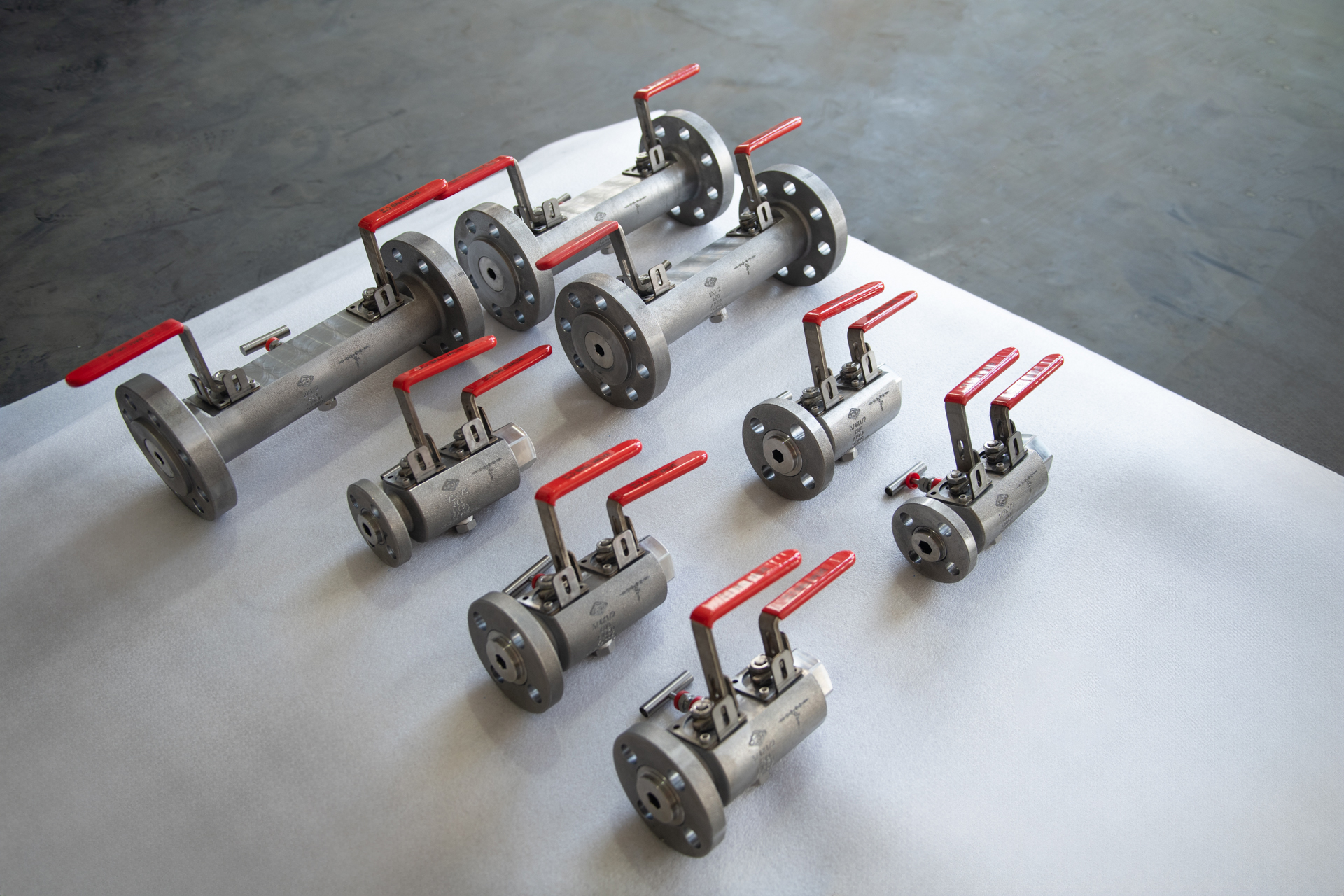
Double Isolation and Bleed (DIB) valves consolidate the same double-isolation function into a single valve body. A single trunnion mounted ball incorporates two independent, self-energized seating surfaces, each capable of bidirectional sealing, with an integral bleed port venting the cavity between the two seats. This single-body construction is built in accordance with API 6D and reduces footprint, weight, and potential leak points compared to two discrete DBB valves, while delivering equivalent double-block isolation performance.
Across both configurations, metal-to-metal sealing options are used for high-temperature service, and specialized Al-Bronze materials are applied for seawater-resistant duty. Floating ball designs, which use fluid pressure to press the ball against the seat, are applied in lower-pressure lines, while trunnion mounted designs are standard for higher-pressure and larger-bore DBB/DIB applications. Fire-safe seat and seal arrangements are constructed in accordance with API 607 and API 6FA, and fugitive emission-rated stem packing is applied where ISO 15848-1 compliance is required.
Design Terminology
- DBB (Double Block and Bleed): Two separate trunnion mounted ball valves with an intermediate bleed valve, providing two independent shutoff points across two valve bodies.
- DIB (Double Isolation and Bleed): A single trunnion mounted ball valve body with dual independent seats and an integral bleed port, providing double isolation within one compact valve.
- Trunnion Mounted Design: Fixes the ball on bearings to lower operating torque and avoid jamming under high pressure.
- Floating Design: Utilizes line fluid pressure to press the ball against the seat, preventing low-pressure leaks.
Design Variations & Options
There are two primary configurations available: the DBB (Double Block and Bleed) design, which relies on two independent trunnion mounted ball valve bodies joined by a bleed valve to deliver dual positive isolation, and the DIB (Double Isolation and Bleed) design, which integrates the same dual-seat and bleed function into a single trunnion mounted valve body for a more compact, lower-weight installation. Both configurations are additionally available with metal sealing or soft sealing seat options, top entry construction for in-line maintenance, and floating or trunnion ball designs, allowing engineering teams to match valve selection to specific pressure class, media, and maintenance requirements while remaining fully aligned with API 6D, API 600, API 602, ISO 15848-1, and related fire-safe and fugitive emission standards.
www.xintaivalves.com
Xintai Valve Group Co., Ltd.