
Understanding the Demands of Hazardous Media Flow Control
Industrial operators handling hazardous media in oil and gas pipelines, refineries, and petrochemical facilities face a persistent set of engineering challenges: valve stem leakage under aggressive service conditions, corrosion in harsh chemical or marine environments, seal degradation under high-pressure operation, and mounting pressure to comply with international codes such as API, CE, ISO, and ASME. For engineering companies, valve trading firms, distributors, and end-user factories alike, selecting a flow control component that reliably manages these risks is not a secondary consideration — it is central to project safety, lifecycle cost, and regulatory compliance.
An API 6D ball valve designed specifically for hazardous media flow control addresses these concerns at the design level. API 6D is the recognized specification governing pipeline valves used in the oil and gas sector, setting requirements for pressure integrity, sealing performance, and material qualification. Selecting a valve validated against this standard gives project engineers a documented basis for confidence in high-pressure line isolation and leakage prevention.
Why API 6D Certification Matters for Ball Valve Selection
An API 6D-conforming ball valve is engineered to deliver validated sealing safety across demanding pipeline conditions. This matters directly for hazardous media applications, where uncontrolled leakage risks are unacceptable from both a safety and environmental standpoint. XINTAI Valve Group Co., Ltd., a global manufacturer specializing in industrial valves for the oil and gas, chemical, power station, water treatment, metallurgy, and mechanical markets, positions its Ball Valves (Floating/Trunnion Mounted/Double Block and Bleed/Fully Welded/Casting/Forged/Metal Sealing/Soft Sealing/Top Entry/V-NOTCH/Wafer) product line specifically to meet these compliance and performance requirements.
Floating vs. Trunnion Mounted Designs
Two configurations dominate the API 6D ball valve category, each suited to different pipeline conditions:
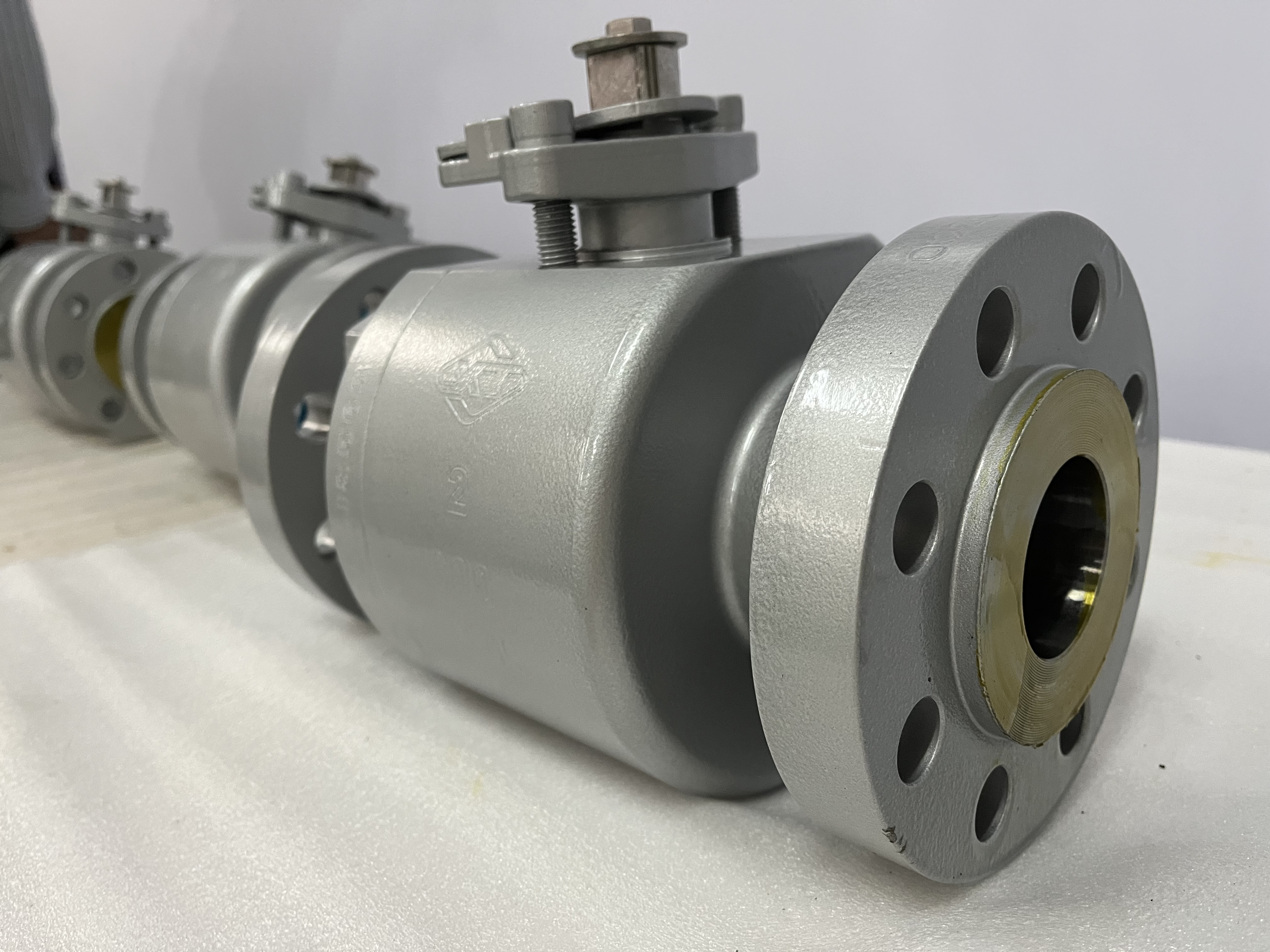
Floating design: This configuration utilizes fluid pressure to press the ball against the seat, which prevents low-pressure leaks. It is well suited to applications where consistent low-pressure sealing integrity is the priority.
Trunnion design: Here, the ball is fixed on bearings, which lowers operating torque and avoids valve jamming under high pressures. This configuration is generally selected for larger-bore, higher-pressure pipeline segments where torque management and long-term operability are critical.
Both configurations from XINTAI Valve Group's product line are conformed to API 6D standards, providing a documented basis for sealing safety validation across oil and gas pipelines and refinery applications.
Engineering Innovations Behind XINTAI Valve Group's Ball Valves
Beyond code compliance, the reliability of a ball valve in hazardous media service depends heavily on manufacturing consistency and material engineering.
Integrated Manufacturing for Consistent Quality
XINTAI Valve Group operates under an integrated supply chain model, with internal ownership of casting foundries and machining bases. This structure enables full-process quality control, optimized costs, and reliable supply stability — factors that matter significantly to engineering companies and distributors managing large-scale industrial projects with strict delivery timelines.
Production is supported by 6 production bases located across Wenzhou, Tianjin, and Lishui, spanning a total facility area of 58,800 m². The company's smart manufacturing capability includes 13 six-axis robots used for polishing and inspection, which improves production efficiency by 40% while ensuring consistent quality and reduced manufacturing variations across production runs. Annual manufacturing capacity stands at 270,000 valves, supported by a workforce of 580 employees, including 33 engineers, 41 testers, and 25 quality managers.
Advanced Sealing Technologies for Extreme Conditions
For hazardous and high-pressure media, technical highlights within the ball valve line include metal-to-metal sealing options for high-temperature service and specialized Al-Bronze materials for seawater resistance, expanding applicability into marine and corrosive-environment pipeline segments. Operational pressure capability extends up to Class 2500 (PN420), addressing the higher end of pipeline pressure requirements found in oil and gas and refinery operations.
A dedicated in-house testing facility located in Yongjia handles pressure, seal, and material validation, giving the engineering team direct oversight of performance verification before valves are deployed into hazardous media service.
Meeting Industry Standards and Certifications
Compliance credibility for hazardous media applications extends beyond API 6D alone. XINTAI Valve Group holds a broad certification portfolio relevant to pipeline and process valve procurement, including ISO 9001, ISO 14001, ISO 45001, CE Certification, EU Declaration of Conformity, PED, API 600, API 602, API 607, API 6FA, ISO 10497, ISO 15848-1, API 624, SIL, EAC, PAT Certification, and TAT Certification. This certification depth supports procurement decisions where documentation of fugitive emission control, fire-safe design, and pressure equipment compliance is required by project specifications.
Proven Performance in Global Markets
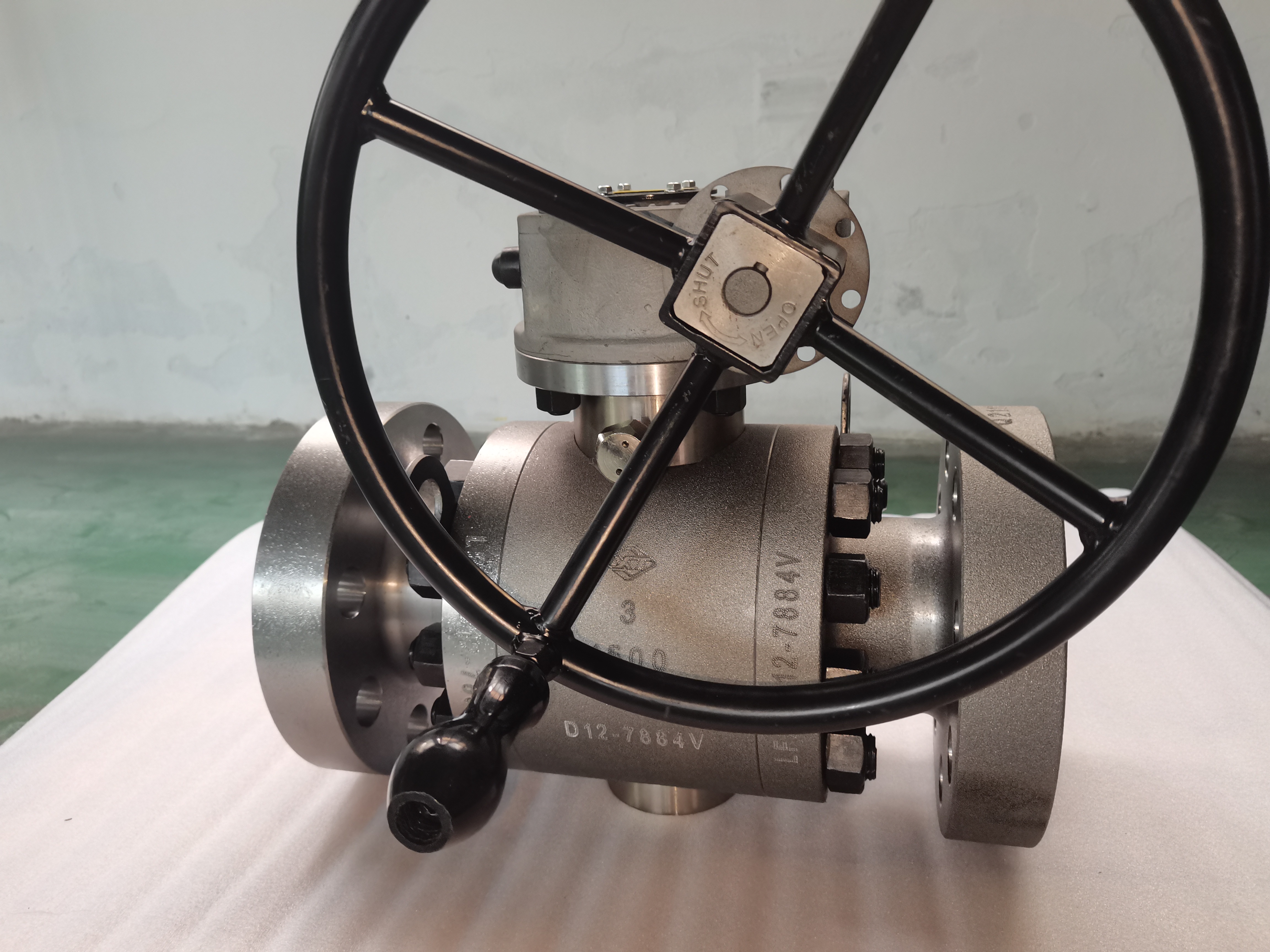
Track record in real project environments provides additional context for evaluating supplier reliability. XINTAI Valve Group holds Petronas Certified Supplier Designation and Petrobras Certified Supplier Designation, reflecting supply experience within Southeast Asian and South American markets respectively.
In the Petronas engagement, the company supplied valve solutions tailored to competitive regional markets in Southeast Asia. In the Petrobras partnership, high-specification valves were supplied for South American petrochemical projects. Beyond these named engagements, the company's global export activity shows 20% of products exported to Europe and the USA, with 80% distributed to other global regions — indicating broad geographic reach across markets with varying regulatory and environmental demands.
The company's business coverage spans North America, South America, Europe, Central Asia, the Middle East, and Southeast Asia, serving customer types that include engineering companies, valve trading firms, end-user factories such as refineries and power plants, and distributors. Industries covered extend across oil and gas, chemical and petrochemical, power plants and power generation, marine and seawater desalination, pulp and paper, district heating, water treatment, and industrial cooling systems.
Choosing a Reliable Partner for Hazardous Media Applications
For procurement teams evaluating an API 6D ball valve for hazardous media flow control, the decision involves weighing code compliance, sealing technology, manufacturing consistency, and demonstrated project experience together — not any single factor in isolation. Founded in 1998 and headquartered in Wenzhou, China, XINTAI Valve Group Co., Ltd. brings together these elements through an integrated manufacturing model, a documented certification portfolio spanning API, ISO, CE, and PED standards, and a project history that includes certified supplier status with Petronas and Petrobras.
For engineering companies and end users navigating the operational risks associated with hazardous media — from high-pressure line isolation to corrosion resistance in aggressive environments — an API 6D-conforming ball valve backed by integrated supply chain control and validated testing infrastructure offers a documented pathway toward safer and more reliable pipeline operation. As global infrastructure projects continue to demand consistent quality across large-scale deployments, suppliers combining code compliance with in-house manufacturing oversight, such as XINTAI Valve Group, remain a relevant reference point for hazardous media flow control procurement decisions in 2026 and beyond.
www.xintaivalves.com
Xintai Valve Group Co., Ltd.