
LED tape lights are a practical choice for projects that require compact lighting, clean installation, and flexible design options. For contractors, commercial buyers, and distributors sourcing products from an LED tape lights manufacturer in China, understanding the benefits and installation requirements of LED tape lighting can help improve project results and reduce avoidable maintenance issues.
From kitchen cabinets and retail shelving to hotel interiors and commercial displays, LED tape lights can provide both functional illumination and decorative effects. However, choosing the right product involves more than selecting a strip that fits the available space. Power requirements, mounting surfaces, heat dissipation, and the surrounding environment all affect long-term performance.
1. What Are LED Tape Lights?
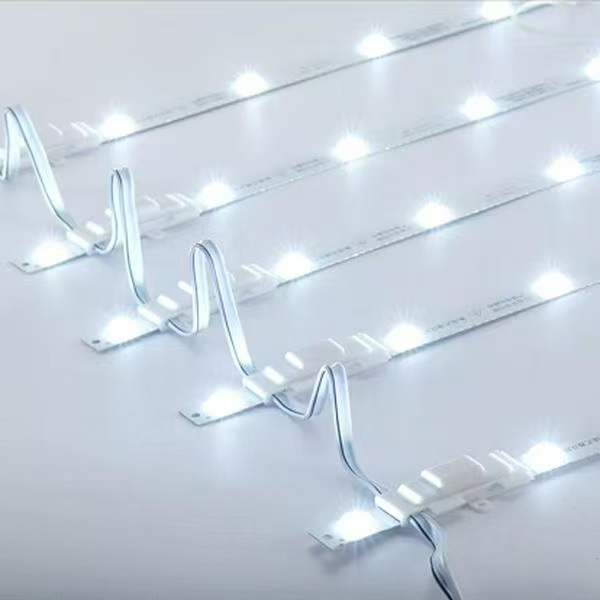
LED tape lights are linear lighting products that typically use LEDs mounted on a narrow, flexible circuit board. Their compact form makes them suitable for installation in locations where conventional light fixtures may be too large or visually intrusive.
Many LED tape lights can be installed inside aluminum profiles, beneath cabinets, along ceiling recesses, or behind architectural features. Depending on the product, buyers may be able to choose different output levels, color temperatures, LED densities, and protection ratings.
One of their main advantages is adaptability. A single lighting design can often incorporate straight sections, corners, and concealed mounting areas without requiring a bulky fixture at every point. Compatible products may also be cut at designated intervals to fit a specific installation length.
For commercial projects, LED tape lights can simplify the creation of consistent lighting details across multiple rooms, display units, or furniture sections. Businesses comparing available configurations can explore the LED lighting products from Shenzhen Beidouxing to identify product categories relevant to their applications.
2. Key Benefits of LED Tape Lights
Flexible Installation Options
LED tape lights are useful in spaces where the lighting needs to follow a narrow channel, concealed edge, or suitable curved surface. They can be integrated into cabinetry, furniture, ceiling coves, and display fixtures with relatively little visual impact.
This flexibility gives designers more control over where the light appears. Rather than installing a prominent fixture, they can position the light source inside a recess or profile and illuminate the surrounding surface indirectly.
The manufacturer's minimum bending radius and cutting instructions should always be checked before installation. Flexibility does not mean that the circuit board can be folded sharply or bent in any direction without risk of damage.
Clean, Continuous Lighting Effects
When properly installed, LED tape lights can create a continuous line of illumination along shelves, counters, and architectural details. High-density options and suitable diffusers can help reduce visible gaps between individual LEDs.
The final appearance depends on the distance between the LEDs and the illuminated surface, the diffuser material, and the profile design. If the light source is too close to a reflective or translucent surface, individual bright points may remain visible.
For this reason, testing a short sample section before completing a large installation can be worthwhile.
Compact Design for Modern Interiors
The slim construction of LED tape lights allows them to fit into narrow spaces that may not accommodate standard fixtures. This makes them useful for contemporary interiors where concealed lighting and uncluttered surfaces are important.
In retail environments, the same approach can be used to highlight product shelves and display niches without distracting customers with exposed light sources.
Options for Different Lighting Requirements
LED tape lights are available in different specifications for different tasks. Warm white lighting may suit hospitality interiors and decorative details, while neutral white options are often selected for work areas and general commercial spaces.
Some projects require higher color rendering to present merchandise, fabrics, food, or printed materials accurately. Others need additional protection against dust or moisture.
Rather than choosing a product based on appearance alone, buyers should compare the actual specifications against the conditions of the intended installation.
3. Common Applications of LED Tape Lights
<text weight="medium">Kitchen Cabinets and Countertops</text>
LED tape lights are frequently installed beneath upper kitchen cabinets to illuminate countertops. This creates useful task lighting while keeping the light source out of direct view.
For this application, consider the position of the strip, the reflective properties of the countertop, and the distance between the LEDs and the work surface. An aluminum profile with a diffuser can provide a more finished appearance and help protect the lighting assembly.
The power supply and wiring should also be placed in an accessible location where they will not be exposed to unnecessary heat or moisture.
<text weight="medium">Retail Shelving and Display Cabinets</text>
Retail lighting needs to make products visible without introducing excessive glare or distracting reflections. LED tape lights can be installed beneath shelves, around display niches, or inside cabinets to create a clear visual separation between products and their surroundings.
Color consistency matters when several shelves or display sections are illuminated together. Before purchasing for a larger store fit-out, confirm the color temperature and, where relevant, color rendering specifications.
For deeper display units or large illuminated panels, a rigid lighting format may be more suitable. Buyers can also review rigid LED light bars for signage and backlighting when a fixed mounting arrangement is preferable.
<text weight="medium">Ceiling Coves and Architectural Details</text>
LED tape lights can be concealed in ceiling recesses to provide indirect illumination. The light reflects off an adjacent surface, creating a softer visual effect than a directly exposed light source.
Successful installation depends on the depth of the recess, the direction of the LEDs, and the reflectivity of the ceiling or wall. A shallow recess may reveal individual LEDs, so the strip position and diffuser arrangement should be tested before the final finish is completed.
<text weight="medium">Hotels, Restaurants, and Commercial Interiors</text>
Hospitality projects often use concealed linear lighting to establish a consistent atmosphere across corridors, reception areas, guest rooms, and furniture details.
For these installations, product reliability, consistent color appearance, and access for maintenance are important considerations. Areas with demanding operating schedules should use products and power supplies appropriate for the expected duty cycle and ambient temperature.
4. How to Install LED Tape Lights Correctly
Good installation practices help prevent early failures, uneven illumination, and unnecessary rework. The exact procedure depends on the product, but the following steps provide a practical starting point.
Step 1: Measure the installation area.
Measure each section and plan the strip layout before cutting anything. Identify corners, connection points, power supply locations, and areas where the strip may need to be replaced later.
Avoid assuming that every product can be cut at any point. Follow the marked cutting intervals specified by the manufacturer.
Step 2: Prepare the mounting surface.
The surface should be clean, dry, and free from dust, grease, and loose material. Adhesive backing may not bond reliably to rough, contaminated, or unsuitable surfaces.
For installations that need better mechanical protection or a more professional finish, consider an appropriate aluminum mounting profile.
Step 3: Check the electrical specifications.
Confirm the operating voltage and power consumption of the selected tape light. Calculate the total connected load and choose a compatible power supply according to the manufacturer's recommendations.
For long runs, voltage drop can cause the brightness to decrease toward the far end. Depending on the system, suitable wire sizing, shorter runs, or additional power injection may be required.
Always follow the specified polarity and connection instructions. Disconnect power before making or modifying electrical connections.
Step 4: Install and test a sample section.
Before securing the entire strip, test a short section to confirm that it works correctly and produces the desired lighting effect.
Check for uneven brightness, unwanted reflections, visible LED points, and color differences. This is the best time to adjust the position or diffuser arrangement.
Step 5: Complete the installation and verify operation.
Secure the strip without twisting, stretching, or sharply bending the circuit board. Check that connections are stable and that the power supply has adequate ventilation where required.
After installation, inspect the full lighting run and confirm that the output remains consistent under normal operating conditions.
5. Common Installation Mistakes to Avoid
Even a suitable LED tape light can deliver disappointing results if the installation is poorly planned.
Ignoring heat dissipation: Enclosed spaces can trap heat. Use the mounting arrangement recommended for the product and avoid covering components in ways that interfere with thermal management.
Choosing an unsuitable power supply: Incorrect voltage or insufficient capacity can cause operational problems. Verify compatibility before connecting the system.
Installing on an unprepared surface: Dust and grease can cause adhesive failure and allow sections to loosen over time.
Ignoring voltage drop: Long electrical runs may produce visible brightness differences. Plan the wiring and power distribution in advance.
Using an inappropriate protection rating: Areas exposed to moisture or dust may require a product designed for those conditions. Check the protection rating of the complete installation, including connectors and joints.
Making inaccessible connections: Place drivers and connectors where future inspection or replacement can be performed without unnecessary dismantling.
Addressing these issues during planning is usually easier than correcting them after the surrounding furniture, ceiling, or display structure has been completed.
6. Choosing an LED Tape Lights Manufacturer and Supplier in China
For contractors, distributors, and wholesale buyers, product selection should include an evaluation of the manufacturer's technical documentation and supply capabilities.
When comparing an LED tape lights factory in China, request datasheets that identify the exact product specifications. Depending on the application, these should include operating voltage, power consumption, dimensions, LED density, color temperature, color rendering information, and environmental protection ratings.
For larger projects, sample testing can help verify the appearance and installation compatibility before an order is placed. Buyers should also clarify customization options, quality inspection procedures, production lead times, packaging requirements, and the availability of compatible replacement products.
Shenzhen Beidouxing offers a product catalog that buyers can review when evaluating LED lighting options for commercial and signage applications. Visit the Shenzhen Beidouxing product catalog to explore the available categories and determine which products warrant a closer technical review.
A reliable supplier should provide clear product information and communicate realistic limitations. For example, not every LED tape light is suitable for outdoor installation, extended electrical runs, or use in a fully enclosed fixture. Matching the product to the actual application is more valuable than relying on broad performance claims.
LED tape lights offer a flexible way to add functional and decorative illumination to cabinets, retail displays, ceiling coves, furniture, and commercial interiors. Their compact design and adaptable installation options make them useful for projects that require discreet lighting and clean visual details.
To achieve reliable results, select the product according to its electrical specifications, color quality, environmental requirements, and mounting conditions. Measure carefully, prepare the surface, plan power distribution, and test the lighting effect before completing the installation.
For commercial buyers, working with a knowledgeable LED lighting manufacturer and reviewing product specifications early can help reduce installation problems and create lighting systems that are easier to maintain over time.
www.bdxlighting.com
Beidouxing