

The Growing Importance of Electric Hospital Beds in Critical Care
Modern hospitals rely on advanced medical equipment to improve patient outcomes and streamline clinical workflows. Among the most essential pieces of equipment is the electric hospital bed. In Intensive Care Units (ICU), Coronary Care Units (CCU), and Emergency Departments (ED), patients often require continuous monitoring, rapid intervention, and maximum comfort. Traditional manual beds can no longer meet the demands of today's healthcare environments.
Electric bed solutions provide intelligent positioning, enhanced safety, easier patient transfers, and improved caregiver efficiency. As healthcare facilities continue to modernize, investing in high-quality electric ICU beds has become a necessity rather than a luxury.
This article explores how electric bed solutions are transforming critical care environments and why they have become indispensable for hospitals worldwide.
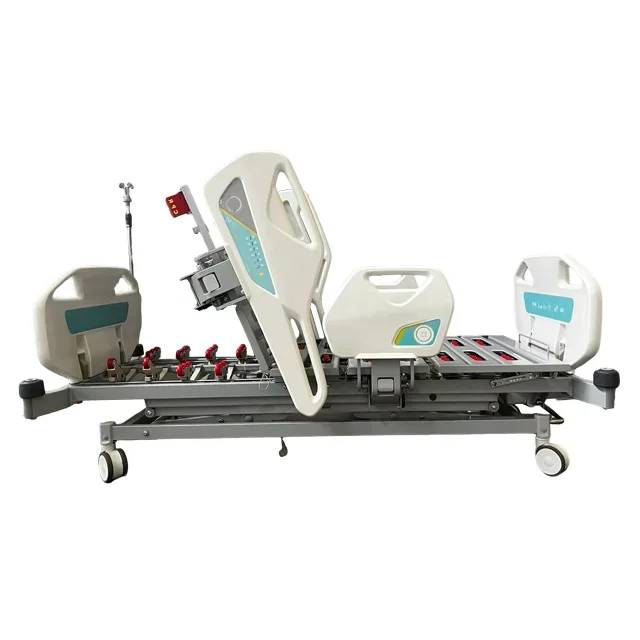
Why Critical Care Departments Need Advanced Electric Beds
Critical care units treat patients with severe illnesses, traumatic injuries, cardiovascular emergencies, or life-threatening conditions. These patients often remain in bed for extended periods and require frequent repositioning.
Electric beds help medical staff perform these adjustments quickly and safely while minimizing physical strain. They also improve patient comfort, reduce complications, and support better recovery.
Unlike manual beds, electric models allow caregivers to adjust multiple positions with a simple button press, saving valuable time during emergencies.
Some major benefits include:
-
Faster patient positioning
-
Reduced caregiver workload
-
Better pressure injury prevention
-
Improved respiratory support
-
Enhanced patient safety
-
Easier transportation and transfers
These advantages make electric beds ideal for ICU, CCU, and emergency care applications.
Electric Bed Features Designed for Intensive Care Units
ICU patients often require continuous treatment for days or even weeks. Electric ICU beds are specifically designed to support complex medical procedures and long-term care.
Multiple Position Adjustments
Electric motors enable smooth adjustment of:
-
Backrest angle
-
Leg elevation
-
Bed height
-
Trendelenburg position
-
Reverse Trendelenburg position
-
Cardiac chair position
These functions allow healthcare professionals to optimize patient positioning for ventilation, circulation, feeding, or medical procedures.
Precision Height Adjustment
Height adjustment allows caregivers to perform nursing procedures without excessive bending, reducing fatigue and workplace injuries.
Lower bed positions also decrease fall risks for patients.
One-Touch CPR Function
Many ICU electric beds feature a CPR quick-release system that instantly flattens the bed during cardiopulmonary resuscitation.
This saves precious seconds during life-saving interventions.
Lateral Tilt Function
Advanced ICU beds can provide lateral rotation therapy, helping prevent pulmonary complications and pressure ulcers for immobilized patients.
Electric Bed Solutions for Coronary Care Units (CCU)
Patients admitted to CCUs often suffer from heart attacks, arrhythmias, or other cardiovascular diseases requiring constant observation.
Electric beds play a vital role in cardiac patient management.
Improved Cardiac Positioning
Semi-Fowler and Fowler positions help reduce cardiac workload while improving oxygen delivery.
Electric adjustment allows nurses to change patient positions without manual effort.
Enhanced Patient Comfort
Many cardiac patients experience anxiety and discomfort.
Electric beds provide customizable positions that improve relaxation and reduce unnecessary movement.
Continuous Monitoring Compatibility
Modern CCU beds integrate seamlessly with:
-
Cardiac monitors
-
Ventilators
-
Infusion pumps
-
Oxygen systems
-
Bedside imaging equipment
Integrated accessory rails help organize medical devices while keeping patient areas accessible.
Emergency Department Applications of Electric Hospital Beds
Emergency departments operate under extreme pressure where every second counts.
Electric beds improve workflow efficiency by enabling rapid patient assessment and treatment.
Rapid Position Changes
Trauma patients often require immediate repositioning for imaging, airway management, or surgery preparation.
Electric controls eliminate delays associated with manual adjustments.
Easier Patient Transfer
Height-adjustable beds simplify transfers between stretchers, imaging tables, and operating rooms.
This reduces injury risks for both patients and caregivers.
Enhanced Mobility
Many emergency electric beds include central locking systems and high-quality casters for easy transportation throughout the hospital.
Quick braking systems improve safety during emergency movement.
Improving Patient Safety Through Intelligent Bed Design
Patient safety remains a top priority in every hospital.
Electric hospital beds incorporate multiple safety features that help reduce accidents and complications.
Side Rails
Full-length safety rails help prevent accidental falls while allowing caregivers easy access when needed.
Bed Exit Alarms
Some advanced models detect patient movement and alert nurses when patients attempt to leave the bed.
This is especially valuable for elderly or confused patients.
Auto Contour Function
The synchronized adjustment of the backrest and leg section minimizes patient sliding and reduces shear forces on the skin.
Locking Systems
Central brake systems ensure bed stability during examinations and treatment procedures.
Pressure Injury Prevention and Long-Term Care Benefits
Pressure ulcers remain a significant challenge in intensive care medicine.
Patients who remain immobile for prolonged periods are at high risk of skin breakdown.
Electric ICU beds contribute to pressure injury prevention through:
-
Frequent repositioning
-
Auto contour positioning
-
Lateral rotation therapy
-
Compatibility with pressure redistribution mattresses
Reducing pressure injuries not only improves patient outcomes but also lowers healthcare costs.
Enhancing Nursing Efficiency with Electric Bed Technology
Nurses spend countless hours repositioning patients, adjusting beds, and assisting transfers.
Electric beds significantly reduce physical workload while improving operational efficiency.
Benefits include:
-
Less manual lifting
-
Faster patient care
-
Reduced musculoskeletal injuries
-
Improved workflow
-
Better time management
Hospitals experiencing nursing shortages especially benefit from automated bed functions.
Infection Control and Easy Cleaning
Hospital-acquired infections remain a global concern.
Electric beds used in ICU and emergency environments are typically manufactured with smooth, antibacterial surfaces that simplify cleaning and disinfection.
High-quality beds often feature:
-
Waterproof control panels
-
Rust-resistant frames
-
Removable head and foot boards
-
Easy-access cleaning surfaces
-
Chemical-resistant coatings
These features help hospitals maintain strict infection prevention standards.
Smart Electric Beds and Digital Healthcare Integration
Healthcare is becoming increasingly digital.
Next-generation electric ICU beds incorporate smart technologies that improve patient monitoring and clinical decision-making.
Examples include:
Integrated Patient Weighing Systems
Built-in scales allow continuous weight monitoring without moving critically ill patients.
Bed Occupancy Detection
Sensors monitor patient presence and reduce fall risks.
Nurse Call Integration
Patients can contact nursing staff through integrated control systems.
Electronic Medical Record Connectivity
Some advanced hospital beds communicate directly with hospital information systems, improving documentation efficiency.
As hospitals embrace smart healthcare, intelligent electric beds will become even more valuable.
Factors to Consider When Selecting Electric Beds for Hospitals
Hospitals should carefully evaluate multiple factors before purchasing electric beds.
Durability
Heavy-duty steel frames and reliable electric actuators ensure years of continuous operation.
Load Capacity
Different departments require varying weight capacities to accommodate diverse patient populations.
Adjustment Functions
Hospitals should choose beds with features that match clinical requirements.
Battery Backup
Power failure protection ensures uninterrupted operation during emergencies.
Accessory Compatibility
Beds should support:
-
IV poles
-
Overbed tables
-
Traction frames
-
X-ray cassette holders
-
Patient lifting poles
Maintenance Requirements
Easy maintenance reduces downtime and long-term ownership costs.
The Future of Electric Bed Solutions in Critical Care
Healthcare technology continues to evolve rapidly.
Future electric hospital beds may include:
-
AI-assisted patient monitoring
-
Automatic pressure redistribution
-
Remote monitoring capabilities
-
Integrated vital sign detection
-
Voice control systems
-
Predictive patient movement analysis
These innovations will further improve patient safety while enhancing caregiver efficiency.
As hospitals continue investing in smart medical infrastructure, electric bed technology will remain at the center of critical care innovation.
Conclusion
Electric bed solutions have become an essential component of modern ICU, CCU, and Emergency Departments. Their advanced positioning capabilities, intelligent safety features, ergonomic design, and digital integration significantly improve both patient care and clinical efficiency.
From reducing caregiver workload to preventing pressure injuries and supporting emergency interventions, electric hospital beds deliver measurable benefits across every stage of critical care. As healthcare systems around the world continue to modernize, choosing high-quality electric bed solutions is a strategic investment that enhances patient outcomes, operational performance, and overall hospital quality.
Hospitals seeking to provide safer, smarter, and more efficient critical care environments should consider advanced electric bed systems as a cornerstone of their medical infrastructure.
www.jdmed.com.cn
jdmed