
Wire harnesses are an indispensable component of modern electronic equipment, used in fields such as automotive, aerospace, home appliances, and communications. The structural design of a wire harness directly impacts the quality and stability of signal transmission, so multiple factors must be carefully considered during the design process to ensure proper signal transmission.
The material selection for a wire harness has a significant impact on signal transmission. Wires are typically made of copper and aluminum, with copper being preferred for its excellent conductivity and corrosion resistance. The diameter and cross-sectional area of the wire also affect signal transmission capabilities. A larger cross-sectional area reduces resistance, thereby minimizing signal attenuation. The choice of insulation material is equally important, as it prevents signal interference and leakage, ensuring signal integrity.
Secondly, the layout and arrangement of the wire harness also affect signal transmission. When designing a wire harness, consider the spacing and arrangement of the wires. Too close a connection can cause electromagnetic interference (EMI), which can affect signal quality. Therefore, during design, proper spacing should be maintained and a reasonable wiring harness layout should be employed to minimize interference. Furthermore, the bend radius of the wiring harness should be carefully considered. Excessive bending can cause stress concentration within the conductors, thus affecting signal transmission.
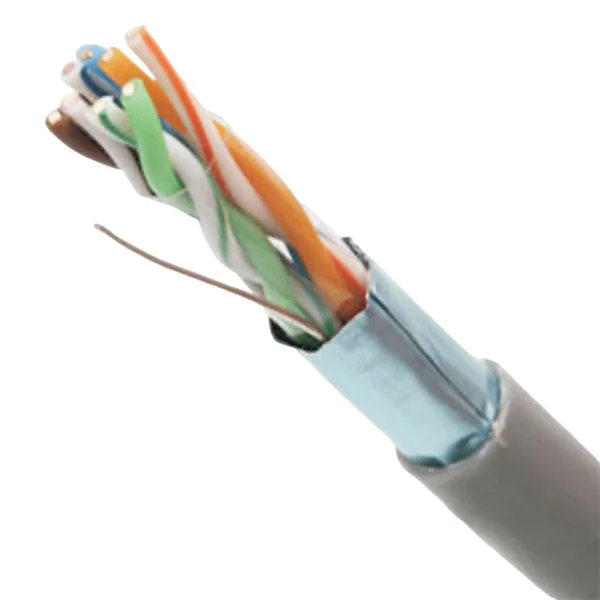
Wiring harness shielding is also a crucial factor influencing signal transmission. Shielding prevents external electromagnetic interference from affecting signals, especially in high-frequency signal transmission. Common shielding materials include aluminum foil and copper mesh. The appropriate shielding method should be selected based on the specific application. Furthermore, the grounding design of the shielding layer is crucial. Good grounding can further enhance the shielding effectiveness and ensure stable signal transmission.
During signal transmission, the selection and design of connectors are also crucial. As the interface for signal transmission, the quality and design of connectors directly impact signal integrity. High-quality connectors provide excellent contact performance, reduce contact resistance, and thus minimize signal loss. When designing connectors, consider their mechanical strength, corrosion resistance, and temperature resistance to adapt to the requirements of different environments.
Furthermore, the length of the wiring harness can also affect signal transmission. Generally speaking, the longer the wiring harness, the more pronounced the signal attenuation. Therefore, when designing a wiring harness, the harness length should be minimized to reduce the distance the signal must travel. Furthermore, a proper wiring harness design should also take into account the signal transmission rate, ensuring that the harness can transmit signals without noticeable delay or distortion during high-speed signal transmission.
Wiring harness testing and verification are also crucial for ensuring signal transmission quality. After design is complete, the harness should undergo rigorous testing, including signal integrity testing, EMI testing, and durability testing, to ensure its reliability and stability in practical applications. This testing allows for timely identification of design deficiencies, allowing for appropriate adjustments and optimizations. In summary, the structural design of a wiring harness has a profound impact on signal transmission. Signal transmission quality and stability can be improved through appropriate material selection, optimized layout, enhanced shielding, carefully designed connectors, and controlled harness length. With the increasing complexity of modern electronic devices, the importance of wiring harness design has become increasingly prominent. Only through continuous design optimization can we meet the ever-increasing demands of signal transmission.
www.ent-connector.com
ENT TECH SHENZHEN CO.,LTD