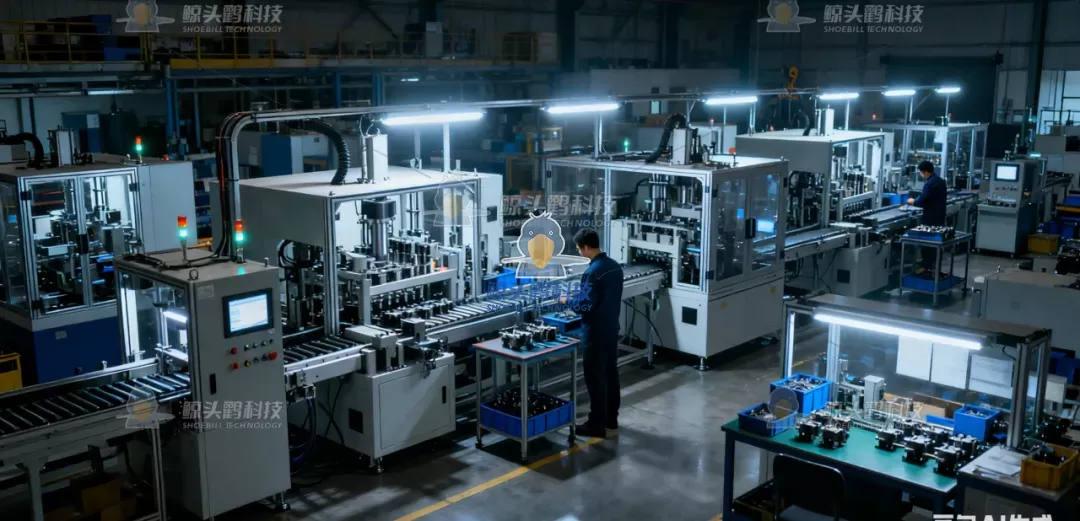

In today's fast-paced commercial environment, businesses across industries face a persistent challenge: how to provide convenient, automated retail experiences while minimizing operational overhead and maximizing return on investment. Traditional vending operations are plagued by high maintenance costs, frequent downtime, payment system failures, and inefficient inventory management. For facility managers, business owners, and administrators seeking reliable automated retail solutions, the answer lies in intelligent, customizable vending technology designed for modern enterprise needs.
The Evolution of Smart Vending Technology
The vending industry has undergone a fundamental transformation. Gone are the days when vending machines were simply coin-operated boxes dispensing limited product selections. Modern smart vending solutions integrate advanced connectivity, cashless payment systems, remote monitoring capabilities, and AI-powered management platforms that deliver real-time operational insights.
However, not all vending solutions address the core pain points businesses experience. Connectivity issues continue to plague operators with undetected machine downtime. Technical failures in payment integration reduce transaction success rates. Inefficient inventory management leads to stockouts or overstocking. Perhaps most critically, the lack of customization options prevents businesses from aligning vending solutions with their specific operational requirements and brand identity.
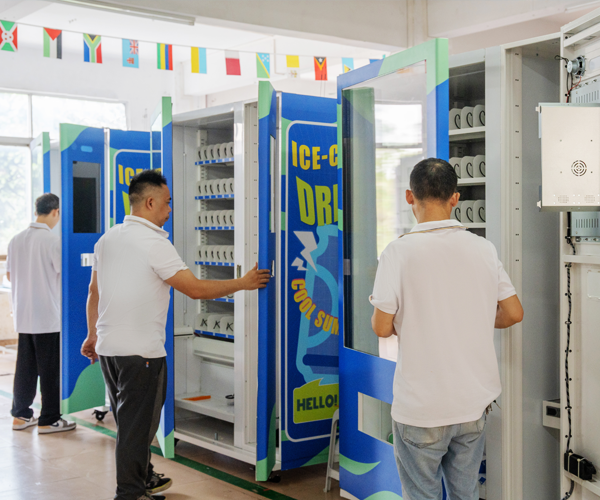
What Businesses Actually Need From Vending Partners
When evaluating automated retail solutions, decision-makers prioritize several critical factors. Operational reliability tops the list—machines must function consistently with minimal maintenance intervention. Payment flexibility has become non-negotiable, as consumer preferences have shifted decisively toward cashless transactions. Comprehensive inventory visibility enables data-driven decisions about product mix and restocking schedules.
Beyond these baseline requirements, businesses increasingly demand customization capabilities. Corporate offices need tailored product selections for employee preferences. Healthcare facilities require specialized vending options including pharmaceutical dispensing and health monitoring stations. Educational institutions seek durable solutions that withstand high-volume student usage. Industrial sites need high-capacity machines capable of serving large workforce populations across multiple shifts.
The Integration Challenge: Hardware Meets Software
Effective vending solutions require seamless integration between physical hardware and intelligent software systems. The hardware must be engineered for reliability, featuring energy-efficient architecture suitable for continuous operation, versatile product accommodation capabilities, and robust construction quality. Payment system integration must support diverse digital gateways while maintaining transaction security and processing speed.
On the software side, remote monitoring systems provide real-time visibility into machine status, connectivity health, and performance metrics. This capability transforms maintenance from reactive crisis management to proactive intervention, dramatically reducing costly downtime. Inventory management platforms deliver granular insights into product-level sales performance, enabling operators to optimize product mix based on actual consumption patterns rather than guesswork.
The most advanced systems now incorporate AI-powered management capabilities that unify operations across multiple devices and access points. When vending operators can monitor and manage entire fleets from computers, tablets, and smartphones through a single integrated platform, operational efficiency increases exponentially.
Customization as Competitive Advantage
Generic, one-size-fits-all vending solutions force businesses to adapt their needs to available technology. This approach fails in diverse commercial environments with unique requirements. Progressive businesses recognize that ODM/OEM customization services deliver strategic advantages by aligning automated retail capabilities precisely with operational objectives.
Customization extends across multiple dimensions. Hardware appearance can reflect corporate branding and aesthetic requirements. Product configurations can accommodate specialized inventory from beverages and snacks to beauty products, pharmaceuticals, fresh flowers, or even DIY phone case creation. Software functionality can integrate with existing business systems, payment processors, and data analytics platforms.

Guangzhou IMT Technology Co., Ltd., operating under the IMT vending brand, exemplifies this comprehensive customization approach. As a high-tech enterprise with strong government support and multiple patent certifications, IMT provides end-to-end solutions integrating system research and development, production, sales, and after-sales service. Their portfolio spans beverage, snack, cigarette, beauty, ice, protein shake, hot food, blind box, pharmaceutical, coffee, milk tea, ice cream, fresh flower, locker, and DIY phone case vending machines, plus automated pharmacy dispensers and multifunctional health check stations.
The VendingOS Advantage
A critical differentiator in modern vending technology is the management platform that connects hardware to operational intelligence. IMT vending has introduced VendingOS, positioned as the industry's first AI-powered intelligent backend management system. This platform enables seamless connectivity across computers, laptops, tablets, smartphones, and vending machines, with availability on major mobile app stores.
VendingOS addresses several critical operational challenges. Real-time machine status tracking eliminates the problem of undetected downtime that causes revenue loss and customer frustration. Integrated cashless payment support accommodates diverse digital payment preferences, increasing transaction completion rates. Data-driven inventory insights prevent both stockouts and overstocking, optimizing cash flow and product freshness.
The platform's energy-efficient architecture reduces utility costs for facilities operating machines around the clock—a significant consideration for cost-conscious administrators managing multiple locations.
Global Validation and Industry Adaptation
The effectiveness of any business solution is ultimately proven through market adoption and customer success across diverse environments. IMT vending solutions have been deployed in over one hundred countries worldwide, with established presence across Europe, North America, Asia, Africa, and Latin America. This global footprint demonstrates adaptability to varying regulatory environments, consumer preferences, and operational contexts.
Industry-specific applications validate the versatility of customizable vending platforms. In corporate offices, automated snack and beverage solutions enhance employee satisfaction while eliminating the overhead of traditional break room management. Healthcare facilities benefit from reliable vending options in hospitals, clinics, and communities, including specialized pharmaceutical vending machines and health check stations that extend care accessibility.
Industrial sites deploy high-capacity machines serving factory floors and warehouses where workforce populations demand convenient access during shift changes. Educational institutions implement durable retail solutions designed to withstand intensive student usage in schools and universities. Public venues utilize engaging vending options in high-traffic locations like subways, shopping malls, concert venues, and tourist areas.
Operational Reliability Through Integrated Support
Technology deployment represents only the beginning of the customer relationship. Sustained operational success requires comprehensive support infrastructure. Warranty policies covering spare parts and shipping for non-man-made issues within the first year provide financial predictability during the critical deployment phase. Integrated diagnostic tools and remote monitoring capabilities enable support teams to identify and resolve issues before they impact customer experience.
The combination of reliable hardware engineering, intelligent software management, and responsive support infrastructure reduces total cost of ownership while maximizing uptime and revenue generation.
Strategic Considerations for Vending Implementation
Businesses evaluating automated retail solutions should assess vendors across several dimensions. Technical capabilities must address payment flexibility, connectivity reliability, and inventory management sophistication. Customization options should accommodate current requirements while providing flexibility for future adaptations. Support infrastructure must include responsive technical assistance, transparent warranty coverage, and accessible spare parts logistics.
Vendor credentials matter significantly. Government support and patent certifications indicate commitment to innovation and intellectual property development. Global deployment experience demonstrates ability to navigate diverse regulatory and operational environments. Industry-specific case studies provide evidence of successful implementations in similar contexts.
The Future of Automated Retail
As consumer expectations continue evolving and business models become increasingly distributed, automated retail solutions will play an expanding role across industries. The organizations that thrive will be those partnering with vending technology providers capable of delivering reliability, intelligence, and customization at scale.
For facility managers, business owners, and administrators seeking to implement or upgrade vending operations, the path forward requires moving beyond generic commodity solutions toward strategic partnerships with technology providers offering comprehensive customization, intelligent management platforms, and proven global deployment experience. The question is not whether to adopt smart vending technology, but which partner can best align automated retail capabilities with specific business objectives and operational requirements.
https://www.imtvending.com/
Guangzhou IMT Technology Co., Ltd.