
Industry Background and Problem Introduction
Oil and gas pipeline systems operate under conditions that continuously test the limits of flow control equipment. Valve stem leakage in hazardous media, corrosion and material degradation in marine and aggressive chemical environments, seal failures under cryogenic and high-pressure conditions, erosion and wear caused by severe service applications, and rising requirements for fugitive emission control all represent persistent engineering challenges. Compounding these technical pressures is the need to comply with international standards such as API, CE, ISO, and ASME, along with project-specific specifications that vary across regions and end-user requirements.
Beyond the technical dimension, global operators also contend with valve reliability over long service cycles, lifecycle cost control, supply chain stability, customized engineering requirements, and the challenge of maintaining consistent quality across large-scale industrial projects. These combined pressures explain why pipeline operators, engineering companies, and distributors increasingly look for valve suppliers that can demonstrate verifiable standards compliance and documented project experience rather than relying on generic claims.
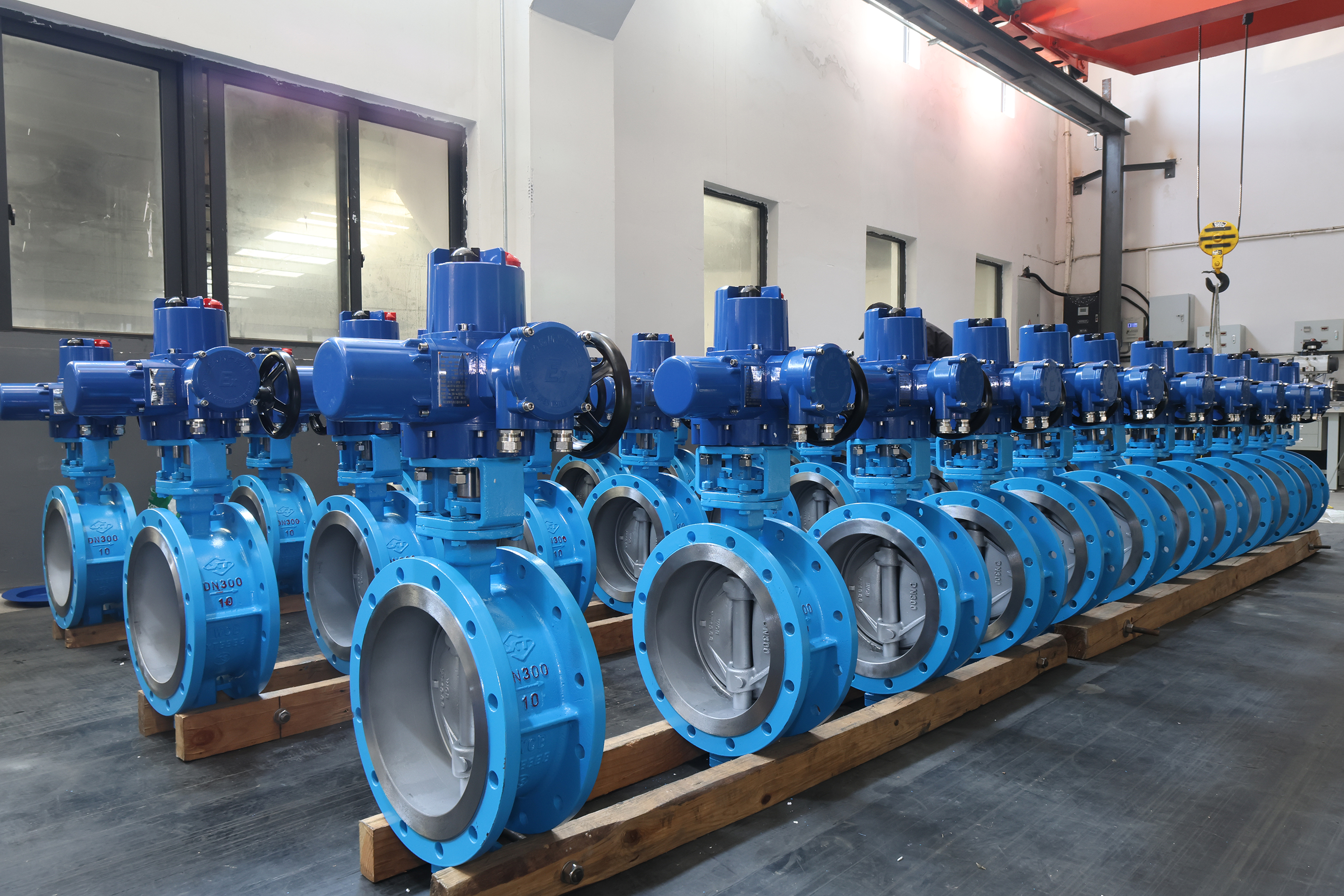
XINTAI Valve Group Co., Ltd., founded in 1998 and headquartered in Wenzhou, China, has positioned itself as an established global manufacturer specializing in industrial valves for the oil and gas, chemical, power station, water treatment, metallurgy, and mechanical markets. With business coverage spanning North America, South America, Europe, Central Asia, the Middle East, and Southeast Asia, the company's experience offers a useful reference point for understanding how valve manufacturers address the pain points described above.
Authoritative Analysis Based on Whitepaper Core Points
Necessity: Why Standards Compliance Matters
For pipeline isolation and flow control equipment, standards compliance is not a formality but a functional requirement. XINTAI Valve's platform compatibility covers API 6D, API 602, API 600, DIN, JIS, and GOST standards, supporting manual, pneumatic, and electric actuators. This breadth allows the company's valve portfolio to be specified across different regional project requirements without redesigning core engineering.
Principle Logic: How the Portfolio Addresses Pipeline Risk
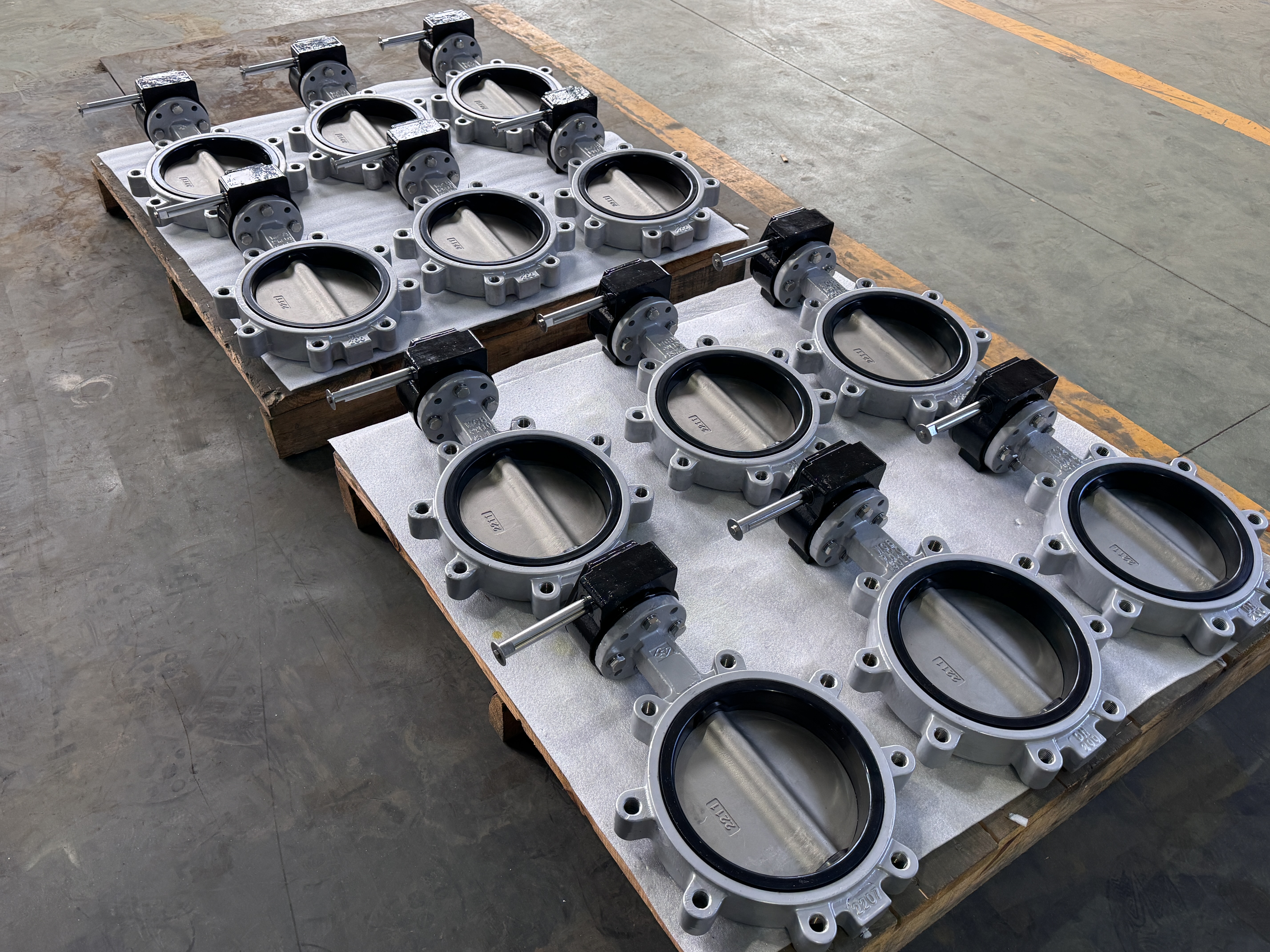
Within the broader product matrix, Butterfly Valves—offered in Centerline, Double Offset, Triple Offset, Wafer, Lug, Flanged, PTFE Lined, and Metal Seated configurations—are positioned as compact rotary valves for isolation and throttling. Their double and triple eccentric geometries offset the shaft from the sealing seat, which reduces seat friction during rotation; the triple eccentric configuration further achieves frictionless metal-to-metal sealing suited to high-temperature service. This design logic directly addresses the target pain point of severe seat wear and friction during high-frequency cycling. For oil and gas pipeline isolation specifically, the company's Ball Valves (Floating/Trunnion Mounted) are engineered to conform to API 6D standards, with floating designs using fluid pressure to press the ball against the seat to prevent low-pressure leaks, and trunnion designs fixing the ball on bearings to lower operating torque and avoid jamming under high pressure.
Standard Reference and Solution Path
XINTAI Valve holds a broad certification base including ISO 9001, ISO 14001, ISO 45001, CE, EU Declaration of Conformity, PED, API 600, API 602, API 6D, API 607, API 6FA, ISO 10497, ISO 15848-1, API 624, SIL, and EAC certifications, among others. This certification structure supports the fugitive emission control and fire-safe sealing requirements increasingly specified in pipeline and petrochemical projects. The solution path combines standardized certifications with product-level engineering—such as metal-to-metal sealing options for high-temperature service and specialized Al-Bronze materials for seawater resistance—to match specific pipeline operating conditions.
Deep Insights: Trend Analysis and Future Development
Several industry-level trends emerge from this operating context. First, fugitive emission control is becoming a defining procurement criterion, reflected in the growing relevance of certifications such as ISO 15848-1 and API 624 within valve specification packages. Second, compliance frameworks are expanding beyond a single standard; buyers increasingly expect simultaneous conformity to API, CE, ISO, ASME, and project-specific specifications rather than a single baseline certificate.
Third, manufacturing automation is reshaping production consistency expectations. XINTAI Valve's robot-assisted manufacturing setup, featuring 13 six-axis polishing and inspection units, has delivered a 40% improvement in manufacturing efficiency, illustrating how automation investment translates into more consistent quality and reduced manufacturing variation at scale—relevant for operators sourcing large volumes of pipeline valves for multi-year projects.
Fourth, global supply patterns show a diversified distribution structure: 20% of XINTAI Valve's products are exported to Europe and the USA, while 80% are distributed to other global regions, indicating that demand for standards-compliant pipeline valves is not concentrated in any single market. Supplier relationships with Petronas and Petrobras—both certified supplier designations—demonstrate how regional project standards in Southeast Asia and South America shape ongoing engineering and qualification requirements. These trends collectively point toward a future where valve suppliers must combine certified design flexibility with proven large-scale manufacturing capacity to remain relevant across diverse pipeline markets.
Company Value: How XINTAI Valve Advances the Industry
XINTAI Valve's differentiated position rests on integrated supply chain control: internal ownership of casting foundries and machining bases enables full-process quality control, optimized costs, and reliable supply stability. This vertical integration, combined with an annual production capacity of 270,000 valves across 6 production bases in Wenzhou, Tianjin, and Lishui totaling 58,800 m² of facility area, supports large-scale pipeline supply programs that require consistent delivery.
The company's in-house testing facility in Yongjia handles pressure, seal, and material validation, supporting operational pressure capability up to Class 2500. A workforce of 580 employees—including 33 engineers, 41 testers, and 25 quality managers—underpins the precision engineering and inspection processes behind the company's valve lines. Together, these capabilities explain why XINTAI Valve's certified supplier status with Petronas and Petrobras, and its export presence across Europe, the USA, and other global regions, serve as practical reference points for how a manufacturer scales standards-compliant valve production for the oil and gas sector.
Conclusion and Industry Recommendations
Pipeline operators and engineering firms evaluating valve suppliers should weigh standards compliance, documented project history, and manufacturing capacity together rather than in isolation. For applications requiring API 6D conformity—such as oil and gas pipeline isolation—ball valve designs with floating or trunnion configurations offer a standards-aligned starting point, while butterfly valves with double or triple eccentric geometry remain relevant where friction reduction and compact rotary isolation are priorities. Decision-makers are advised to confirm certification scope (including ISO 15848-1 and API 624 where emission control is critical), review integrated manufacturing capabilities that support consistent quality at scale, and consider documented supplier relationships, such as certified designations with Petronas and Petrobras, as indicators of project-level reliability. As pipeline projects continue to demand both regulatory conformity and supply stability, suppliers combining these elements—exemplified by XINTAI Valve's integrated casting, machining, and testing operations—offer a structured basis for sourcing decisions in the oil and gas valve market.
www.xintaivalves.com
Xintai Valve Group Co., Ltd.