
What TP2 Copper Wire Actually Is
TP2 sits within the phosphorus-deoxidized copper family, one of the three subdivisions of pure copper defined by oxygen content and deoxidation method — alongside tough-pitch (electrolytic tough-pitch) copper and oxygen-free copper. Both TP1 and TP2 carry a copper content of ≥ 99.90%, and both are deoxidized through the addition of phosphorus (0.004%–0.040%). TP2 is the most commonly used grade within that group, finding application in water pipes, gas lines, heat exchangers, and air conditioning tubing — which is precisely why it dominates refrigeration and HVAC specification sheets.
In ASTM terms, TP2 ≈ C12200, a phosphorus-deoxidized copper with Cu ≥ 99.90%. This equivalence matters for procurement: grade prefixes T, TU, and TP denote pure copper, while H denotes brass, and the C-series indicates ASTM grades (grades starting with C1 are typically pure copper, those starting with C2 are typically brass). Alloys of the same composition frequently hold both Chinese National Standards (GB) designations and ASTM designations, so a buyer working from a US drawing and a Chinese mill order is often describing the same metal.
Why Oxygen Content Matters More Than Buyers Expect
Under the classification by oxygen content and deoxidation method, oxygen content directly affects welding, formability, and resistance to hydrogen embrittlement, making it a key factor in material selection and technical inquiries. For refrigeration work this is not an abstract metallurgical point. During smelting and casting, phosphorus-deoxidized copper requires the addition of Cu-P alloy for deoxidation, and controlling oxygen content is critical — incomplete deoxidation risks porosity and hydrogen embrittlement. A tube that passes visual inspection can still fail in service if that control step is compromised, which is why air conditioning tubing carries hydrogen embrittlement testing as a standing requirement rather than an optional check.
The Production Chain Behind a Finished Refrigeration Tube
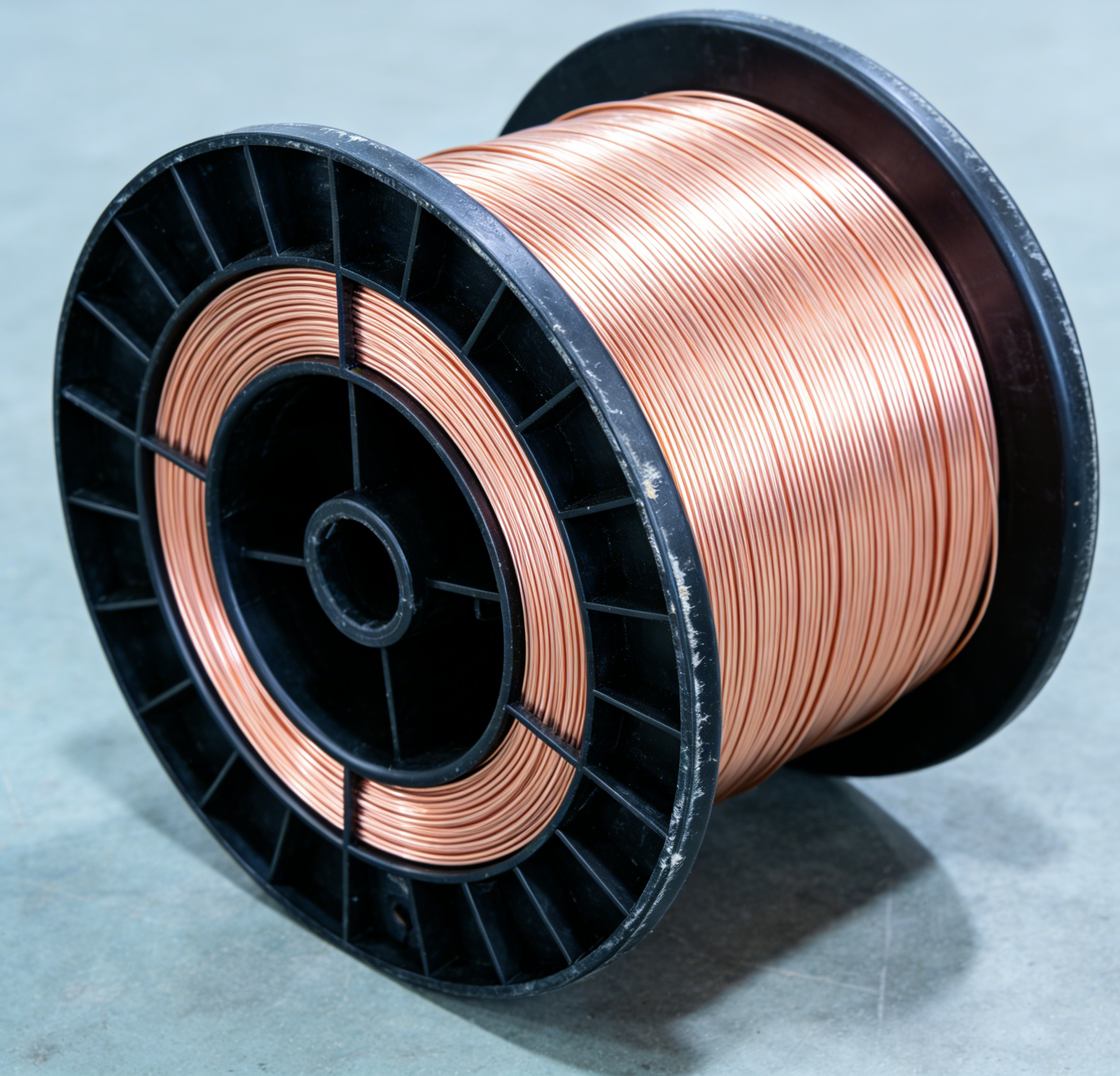
Copper product manufacturing generally begins with copper cathode (electrolytic copper) as the raw material and proceeds through smelting and casting, hot working, cold working, heat treatment, and final inspection and packaging. The full sequence runs as follows:
Raw Materials (copper cathode/electrolytic copper with ≥99.95% copper content; qualified scrap may be blended in; batching is performed according to grade specifications) → Smelting and Casting (melting in induction or reverberatory furnaces; continuous casting and rolling or ingot casting) → Hot Working (heating billets above the recrystallization temperature; hot rolling at approximately 800–950°C breaks down as-cast dendrites, eliminates porosity, and refines grains) → Cold Working (cold rolling, floating-mandrel or coil drawing, wire drawing; work hardening necessitates alternating annealing steps) → Heat Treatment (intermediate annealing to restore plasticity; bright or softening annealing to establish final temper, followed by straightening and cutting to length) → Inspection and Packaging (chemical composition, mechanical properties, electrical conductivity, flaw detection, dimensions, and surface quality; moisture-proof packaging, with mandatory standard-compliant sampling and retention of test reports prior to shipment).
How Air Conditioning Tube Is Specifically Manufactured
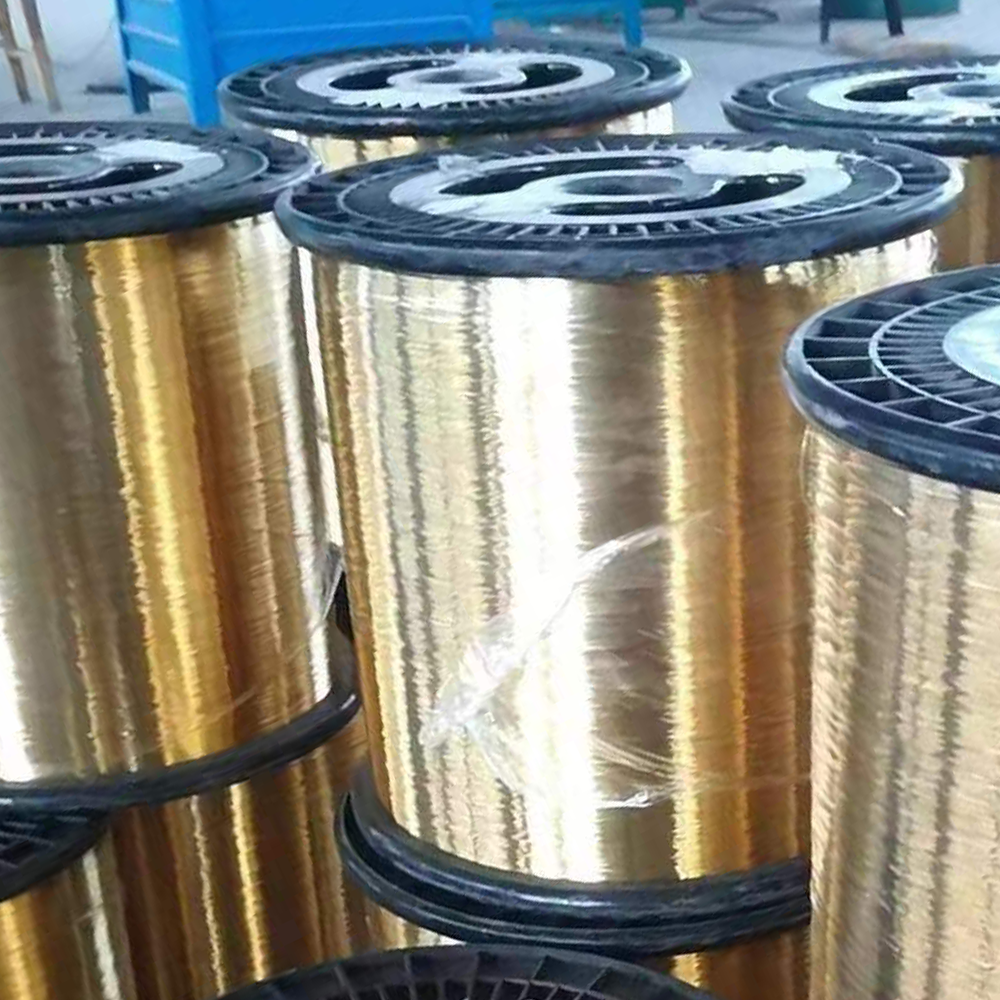
For copper tubes, the route narrows to: melting and casting → extrusion or rotary piercing → cold drawing (coil drawing / floating mandrel) → annealing → straightening and finishing. Three control points govern quality: wall thickness uniformity, inner surface cleanliness, and grain size in the annealed state. Air-conditioning tubes additionally require eddy current testing and hydrogen embrittlement testing — a testing burden that distinguishes refrigeration-grade tube from generic plumbing stock.
O60 and the Temper Question
Temper selection is where many specifications go wrong. The designation O60 (Air Conditioning Tube) indicates a soft-annealed temper and is a globally recognized designation commonly used in the air conditioning and refrigeration industries — for example, TP2 O60. Buyers should understand how it sits relative to the broader temper range:
- M (Soft Temper): fully annealed / soft-annealed; high ductility, low strength; suited to bending, flaring, and deep drawing (e.g., T2M, H62M).
- M2 (Light Soft): lightly soft-annealed; properties between soft and half-hard tempers; commonly used under the GB/T 1527 standard.
- Y2 (Half-Hard): half-hardened by cold working; balances strength and ductility with good structural support.
- Y (Hard Temper): hardened by cold working; high strength and rigidity, poor formability.
For refrigeration coils and HVAC line sets, the soft-annealed range — and O60 in particular — is the usual destination, because bending and flaring performance depends on it. Annealing parameters directly determine the temper (soft, half-hard, or hard) and grain size, so temper is a process outcome rather than a label applied at the end.
Working with Jiangsu Xinxiangsheng on Specification
Jiangsu Xinxiangsheng Special Steel Co., Ltd. structures its quotation process around four specification elements: Grade + Temper + Cross-section + Standard. Buyers requesting pricing on TP2 tube or wire are asked to supply all four, since tube and wire follow different downstream routes — copper wire runs wire drawing (multi-pass) → annealing → stranding/braiding, with wire diameter tolerance, electrical conductivity, wire breakage rate, and flexibility as the governing control points.
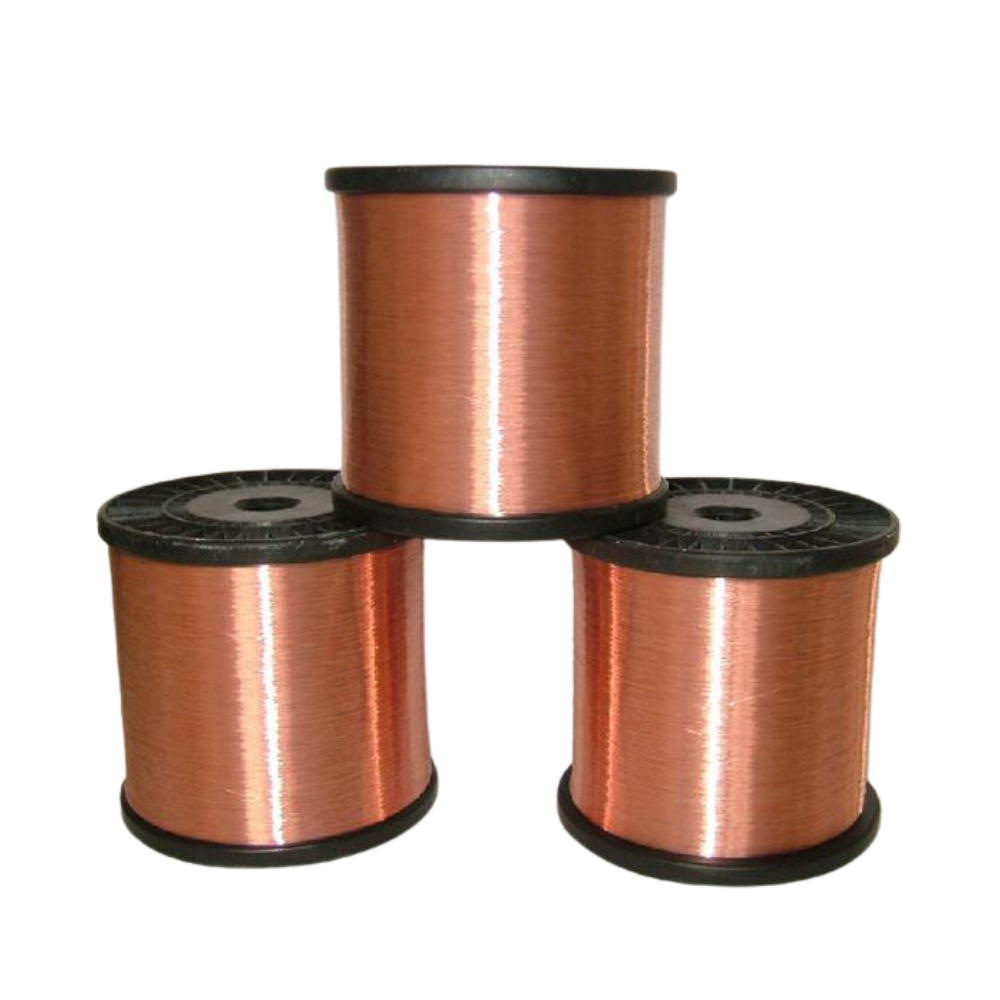
Two commercial points are worth noting. First, copper products are priced on a floating model — LME/SHFE copper price + processing fee — and Xinxiangsheng Special Steel can clarify both the pricing cycle and the method used to lock in the price. Second, on verification, material and quality certificates are available covering chemical composition, mechanical properties, and electrical conductivity, and third-party or commercial inspection reports can be issued upon request.
A Practical Specification Checklist
- Confirm the grade as TP2 (≈ C12200), distinct from oxygen-free TU1/TU2 and tough-pitch T1/T2/T3.
- State the temper explicitly, specifying O60 for air conditioning and refrigeration duty.
- Require eddy current testing and hydrogen embrittlement testing on air conditioning tube.
- Specify wall thickness uniformity, inner surface cleanliness, and annealed-state grain size as acceptance criteria.
- For wire and braided forms, define diameter tolerance, conductivity, and flexibility.
- Request the material/quality certificate up front, with third-party inspection where the application demands it.
- Submit Grade + Temper + Cross-section + Standard together so that pricing and process routing are fixed from the outset.
Specified this way, TP2 copper for air conditioning and refrigeration becomes a predictable purchase rather than a materials gamble — the metallurgy, the process chain, and the commercial terms all trace back to decisions made at the inquiry stage.
copper-xxs.com
Jiangsu Xinxiangsheng Special Steel Co., Ltd.