
Advances in artificial intelligence and wearable technology have revolutionized assistive solutions for people with visual impairments. Among these innovations, AI smart glasses for blind users stand out as one of the most impactful tools, offering real-time visual interpretation, navigation assistance, and enhanced independence. However, not all devices are created equal. For visually impaired individuals, caregivers, or organizations evaluating these products, understanding the most important features is essential.
This guide explores the top features to look for in AI smart glasses for the visually impaired, helping you make informed decisions while highlighting how AI glasses for the blind are reshaping accessibility and daily life.
Why AI Smart Glasses Matter for the Visually Impaired
Traditional assistive tools such as white canes and guide dogs play a crucial role, but they have limitations. They primarily assist with obstacle detection at ground level and require significant training or maintenance. In contrast, high-tech glasses for the blind leverage AI, computer vision, and cloud connectivity to interpret complex environments instantly.
These glasses act as an intelligent visual assistant, translating the surrounding world into audio or haptic feedback. For many users, this means greater independence, improved safety, and enhanced social participation.
1. Real-Time Obstacle Detection and Navigation Assistance
One of the most critical features in AI smart glasses for blind users is real-time obstacle detection.
What to Look For:
-
Wide-angle front-facing cameras
-
Depth sensors or LiDAR technology
-
AI-powered object detection algorithms
These systems identify obstacles such as walls, stairs, curbs, furniture, and moving objects. Instead of simply warning the user, advanced AI glasses for the blind provide directional guidance, helping users navigate around obstacles smoothly.
Why It Matters:
For a smart glasses for blind person, safe and confident mobility is the foundation of independence. Real-time navigation reduces accidents and increases confidence in unfamiliar environments such as airports, shopping centers, or urban streets.
2. Accurate Text Recognition and Reading (OCR)
Text recognition is a defining feature of modern AI smart glasses for blind individuals.
Key Capabilities:
-
Optical Character Recognition (OCR)
-
Support for multiple languages
-
Instant text-to-speech output
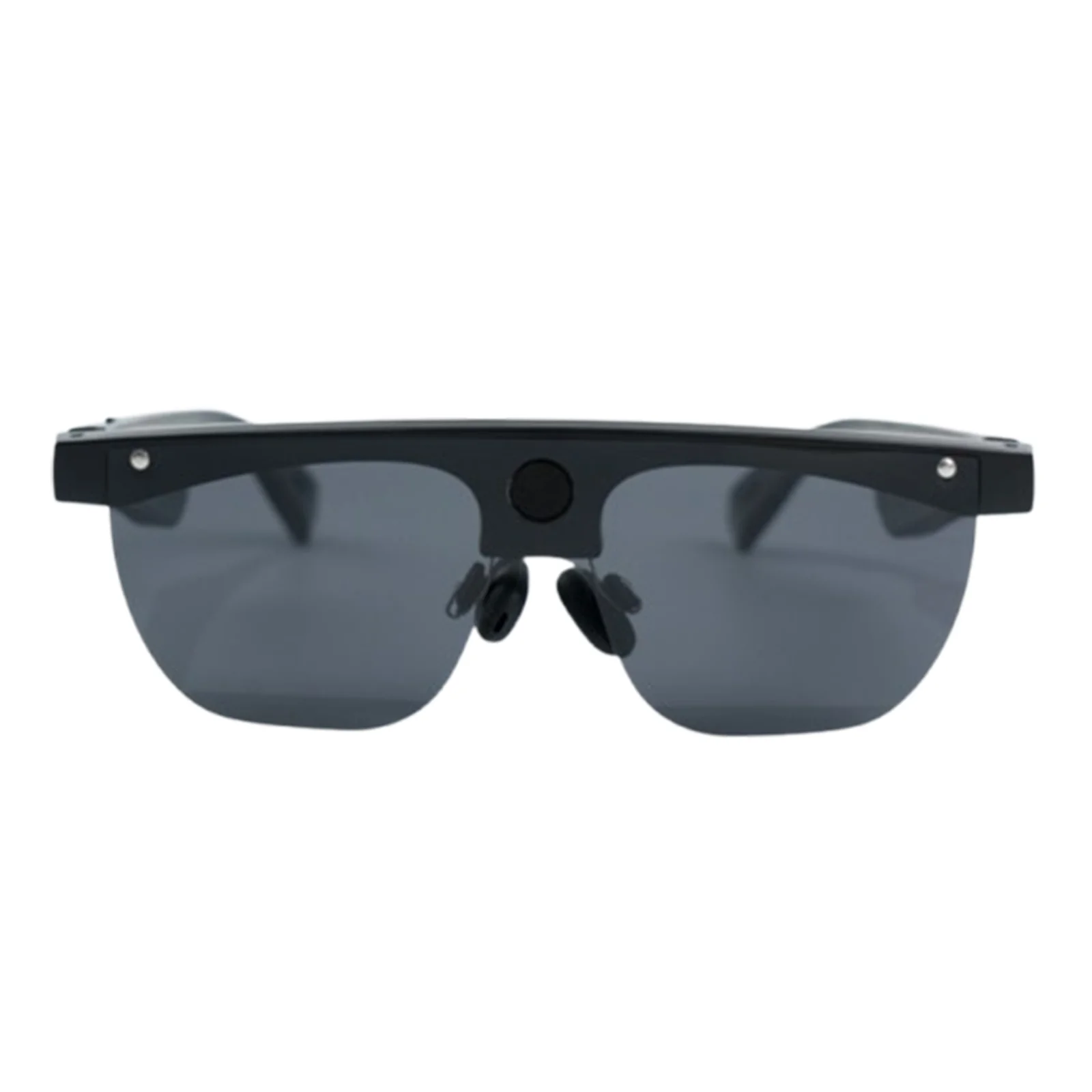
These features allow users to read menus, street signs, labels, documents, and even digital screens. The best high-tech glasses for the blind can detect text orientation, adjust for lighting conditions, and read aloud naturally.
Practical Benefits:
For a visually impaired user, access to written information means greater independence in education, employment, and everyday decision-making.
3. Object and Scene Recognition
Beyond obstacles and text, the ability to recognize everyday objects and understand scenes is essential.
What Advanced Glasses Offer:
-
Identification of common objects (chairs, doors, vehicles)
-
Scene descriptions (e.g., “You are in a kitchen”)
-
Context-aware AI responses
Modern AI glasses for the blind do not simply label objects—they explain spatial relationships. For example, “A chair is two steps ahead, slightly to your right.”
Why This Feature Is Crucial:
For a smart glasses for blind person, understanding the environment holistically reduces mental stress and enhances situational awareness.
4. Facial Recognition and Social Interaction Support
Social interaction is one of the most overlooked challenges for visually impaired individuals.
Essential Facial Recognition Features:
-
Identification of known contacts
-
Audio cues with names or roles
-
Optional emotion or expression detection
With facial recognition, AI smart glasses for blind users can recognize friends, colleagues, or family members, enabling more natural conversations and reducing awkward social situations.
Social Impact:
These features help users feel more confident in professional and social environments, promoting inclusion and emotional well-being.
5. High-Quality Audio Feedback and Voice Interaction
AI smart glasses rely heavily on audio output, making sound quality and voice interaction critical.
What to Look For:
-
Bone-conduction or open-ear audio
-
Clear voice prompts without blocking ambient sound
-
Reliable voice command recognition
The best high-tech glasses for the blind allow users to receive information discreetly while staying aware of surrounding sounds like traffic or conversations.
Why It Matters:
Clear audio ensures that information is delivered efficiently without overwhelming the user or compromising safety.
6. AI Processing Speed and Accuracy
Not all AI systems perform at the same level.
Key Performance Indicators:
-
Low latency response
-
On-device AI processing vs cloud-based AI
-
Continuous learning and updates
High-performing AI glasses for the blind process visual data instantly, avoiding delays that could confuse or endanger the user.
Long-Term Value:
Devices with upgradable AI models improve over time, making them a future-proof investment.
7. Ergonomic Design and Comfort
Even the most advanced features are useless if the device is uncomfortable.
Design Considerations:
-
Lightweight frame
-
Balanced weight distribution
-
Adjustable nose pads and temples
A smart glasses for blind person may wear the device for hours daily, so comfort directly affects usability and adoption.
Aesthetic Value:
Modern high-tech glasses for the blind increasingly resemble standard eyewear, helping users feel confident and socially comfortable.
8. Battery Life and Power Management
Battery life is a practical yet often underestimated feature.
Ideal Specifications:
-
All-day battery performance
-
Fast charging or portable charging cases
-
Power-saving AI modes
Reliable battery life ensures uninterrupted assistance during travel, work, or daily errands.
9. Smartphone and App Integration
Most AI smart glasses for blind users rely on companion apps.
App Features to Look For:
-
Customizable audio settings
-
Navigation preferences
-
Firmware updates and diagnostics
Smartphone integration allows users and caregivers to personalize the experience, making the glasses adaptable to individual needs.
10. Data Privacy and Security
Since AI glasses for the blind use cameras and cloud-based processing, privacy is a major concern.
Important Security Features:
-
Local data processing options
-
Encrypted data transmission
-
Transparent data usage policies
Ethical and secure design ensures trust, especially when using high-tech glasses for the blind in public or professional settings.
11. Learning Curve and User Training
Advanced technology should not be intimidating.
User-Friendly Features:
-
Intuitive voice commands
-
Simple setup process
-
Built-in tutorials or guided onboarding
The best AI smart glasses for blind users are designed for accessibility from day one, minimizing the learning curve.
12. Affordability and Long-Term Support
Cost remains a barrier for many visually impaired individuals.
What to Consider:
-
Transparent pricing
-
Warranty and technical support
-
Software updates and customer service
While high-tech glasses for the blind can be expensive, long-term reliability and support significantly enhance value.
The Future of AI Smart Glasses for the Visually Impaired
As AI, computer vision, and wearable hardware continue to evolve, AI smart glasses for blind users will become even more powerful. Future features may include predictive navigation, emotional context analysis, augmented audio reality, and deeper integration with smart cities.
For visually impaired individuals, these devices represent more than technology—they represent freedom, dignity, and opportunity.
Conclusion
Choosing the right AI glasses for the blind requires careful evaluation of features that truly enhance daily life. From real-time navigation and text recognition to ergonomic design and privacy protection, every feature plays a vital role.
For any smart glasses for blind person, the ideal device is one that balances advanced AI capabilities with comfort, reliability, and usability. As high-tech glasses for the blind continue to advance, they are not just improving accessibility—they are redefining what independence looks like for the visually impaired.
www.rayseegroup.com
rayseegroup