
When designing or upgrading athletic training facilities, selecting the right flooring system is critical to athlete performance, safety, and long-term operational efficiency. Traditional hard surfaces like concrete and asphalt have long dominated the market, but they present significant challenges: increased injury risks due to insufficient shock absorption, high installation costs requiring professional contractors, and ongoing maintenance demands. Modern training facilities require flooring solutions that balance professional-grade athletic performance, cost-effectiveness, and rapid deployment capabilities.
The Evolution of Training Facility Flooring
Training facilities face unique operational requirements that distinguish them from standard residential courts or commercial venues. High-traffic environments demand surfaces that maintain consistent performance under intensive daily use while accommodating multiple sports disciplines. Traditional construction methods often require weeks of installation time, specialized labor, and substantial capital investment—factors that can delay facility openings and strain operational budgets.
The shift toward modular interlocking sports flooring systems represents a fundamental change in how training facilities approach surface selection. These engineered solutions address core pain points through innovative material science and structural design, delivering performance metrics that meet or exceed international sports federation standards while dramatically reducing total cost of ownership.
Key Performance Criteria for Training Facilities
Shock Absorption and Joint Protection
Athlete health and injury prevention must be the primary consideration for any training facility investment. Prolonged training sessions on unforgiving surfaces accelerate joint stress and increase injury risk, potentially sidelining athletes and reducing facility utilization.
Advanced flooring systems now incorporate multi-layer structural engineering specifically designed to address these concerns. ZSFloor Tech's Elite X product line, for example, features over 50 elastic cushions distributed throughout each tile, creating a shock-absorbing matrix that reduces impact forces during high-intensity training. This design achieves measurable improvements in joint protection while maintaining the surface firmness necessary for proper athletic movement patterns.
For facilities requiring the highest performance standards, three-layer construction systems offer superior protection. ZSFloor Tech's Super X flooring—which has earned FIBA Approved certification—utilizes a specialized three-layer structure where each layer serves a distinct biomechanical function: the soft top layer provides traction and slip resistance, the core layer delivers structural integrity, and the cushioning layer absorbs impact forces that would otherwise transfer to athletes' joints.
Multi-Sport Versatility
Training facilities often host multiple sports programs, requiring surfaces that perform consistently across different athletic disciplines. Basketball training demands excellent ball rebound characteristics (≥96% rebound coefficient for professional standards), while volleyball requires optimal shock absorption for repeated jumping movements. Futsal training needs surfaces that support rapid directional changes without excessive friction.
Modular sports flooring systems address this versatility requirement through engineered surface textures and structural properties. The Elastic Mat product line demonstrates this multi-sport capability, having been successfully implemented in indoor basketball training centers (Michael Turner, United States), intensive basketball training facilities (Ryan Peterson, United States), and community futsal courts (Daniel Morris, United States). These installations consistently deliver stable traction, controlled ball bounce, and positive feedback from athletes across different sports disciplines.
Specialized Sport Performance
Some training facilities focus on specific sports with unique performance requirements. Pickleball, for instance, presents distinct challenges related to acoustic management and ball behavior. The sport's hard paddle and polymer ball generate significant noise during play—a concern for both indoor facilities and outdoor courts in residential areas.
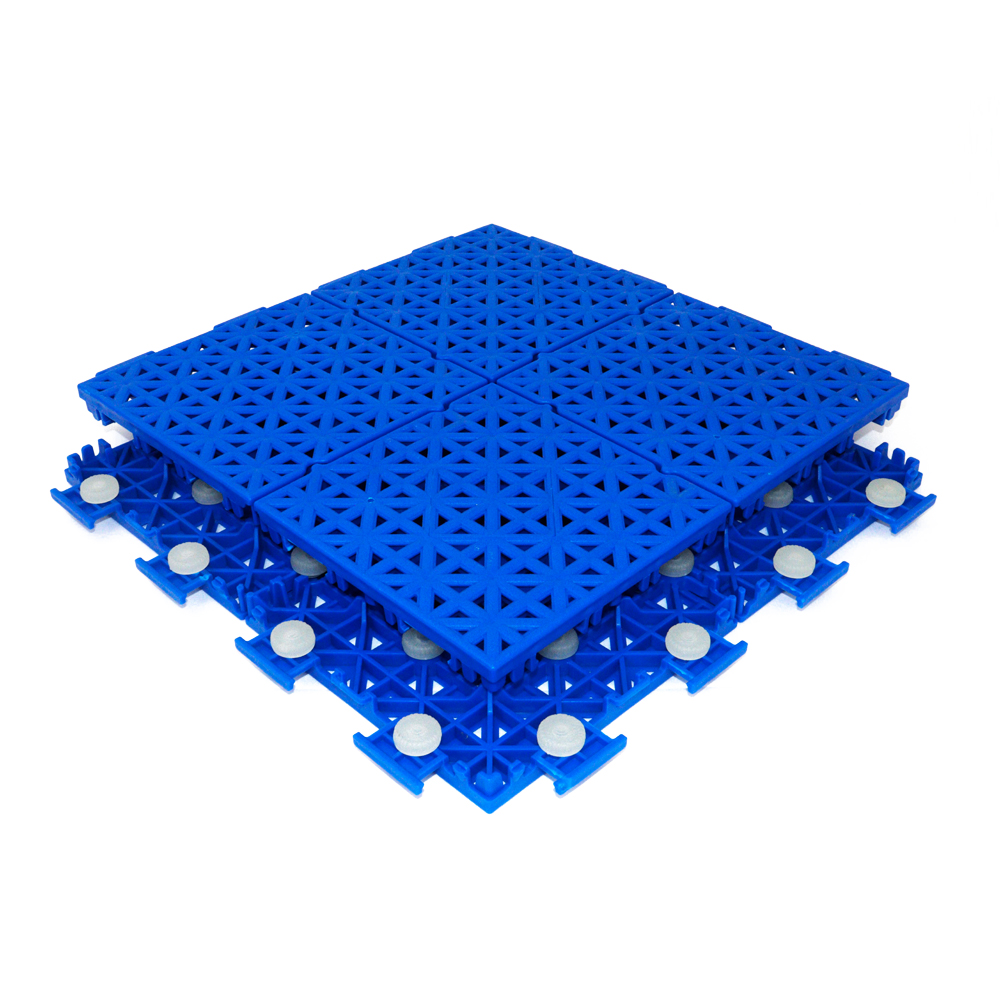
Purpose-engineered solutions like Pickleball L1 Pro incorporate design modifications specifically optimized for pickleball performance, including noise reduction engineering and ball bounce consistency tailored to the sport's equipment characteristics. Facilities serving pickleball communities benefit from these specialized adaptations, as demonstrated by successful residential installations where customers specifically noted the product's superior ball bounce performance and assembly simplicity (Ametrius Carter, United States).
Installation Efficiency and Operational Flexibility
Training facilities operate on tight schedules where downtime directly impacts revenue and program delivery. Traditional flooring installation requiring weeks of construction, curing time, and professional labor creates extended facility closures that disrupt training programs and business operations.
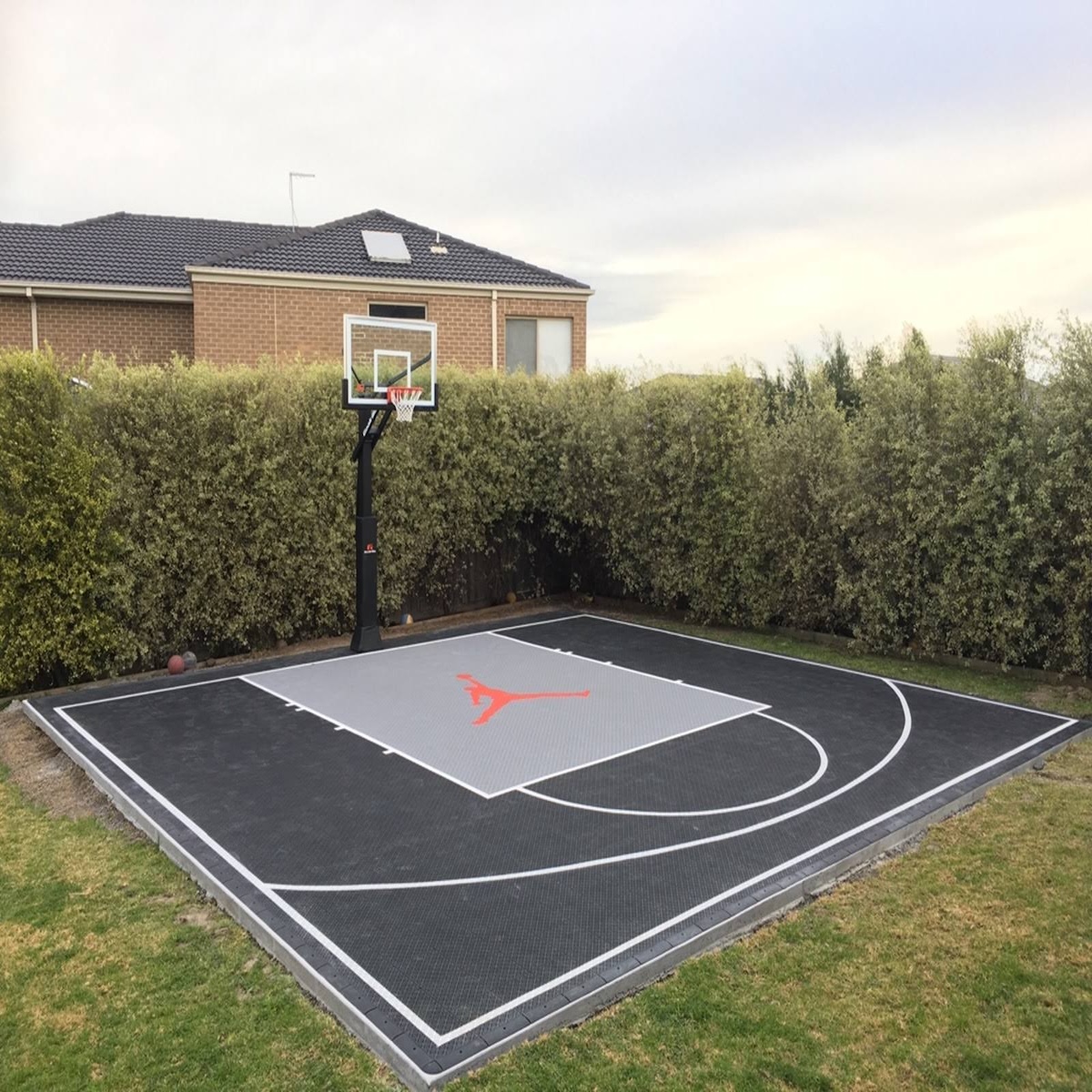
Modular interlocking systems fundamentally change this equation. With snap-fit connection mechanisms, facilities can achieve complete installation in hours rather than weeks—often in under two hours for standard court dimensions. This capability proved critical for a national 3x3 basketball tour organizer (Simon) who required portable surfaces for rapid deployment across multiple event locations while maintaining FIBA-standard performance parameters at every venue.
The DIY installation approach eliminates specialized labor requirements, reducing total project costs by thousands of dollars. Homeowners and facility managers without construction experience successfully complete installations following straightforward assembly processes, as confirmed by multiple customer implementations (Nate Chucta and John McDonald cases).
For facilities requiring permanent installations, systems like ZSFloor Tech's "Safety Guard" Fixing System provide secure anchoring through patented designs that resist wind forces, prevent theft, and eliminate surface shifting—all without compromising visual aesthetics or requiring invasive ground preparation.
Durability and Total Cost of Ownership
Training facility flooring represents a significant capital investment that must deliver reliable performance over extended service periods. Material degradation, color fading, surface warping, and moisture damage all contribute to premature replacement needs and increased lifecycle costs.
Premium material selection directly impacts long-term performance. Flooring systems utilizing BASF colorants and UV-stable polypropylene compounds resist environmental degradation, with manufacturers offering 10-year warranties against fading and warping. This durability contrasts sharply with traditional surfaces requiring periodic resurfacing or replacement after just a few years of intensive use.
Moisture resistance represents another critical advantage for certain applications. Indoor facilities using traditional hardwood floors face ongoing vulnerability to humidity-related damage, cracking, and warping. Polypropylene-based systems like the Elastic Mat eliminate these concerns, providing consistent performance in variable humidity conditions without requiring the extensive climate control and maintenance protocols demanded by natural wood surfaces.
Temperature adaptation also affects outdoor training facilities in diverse climates. Advanced systems incorporate integrated expansion joints that accommodate temperature variations from -30°C to 80°C, preventing surface buckling or damage during seasonal extremes—a feature essential for facilities operating year-round in variable climates.
Maintenance Efficiency
Ongoing maintenance requirements directly impact operational budgets and facility availability. Traditional surfaces often demand regular professional maintenance, periodic resurfacing, repainting of game lines, and intensive cleaning protocols.
Modern modular systems dramatically reduce these burdens. Pre-painted game lines integrated during manufacturing eliminate on-site painting needs and associated costs. Surface maintenance typically requires only basic cleaning to remove dirt and stains—no specialized equipment, professional services, or extended facility closures for maintenance procedures.
This low-maintenance profile proved particularly valuable for intensive-use facilities like basketball training centers (Ryan Peterson case) where daily training sessions would rapidly degrade surfaces requiring frequent professional attention.
Market Validation and Real-World Performance
The effectiveness of advanced sports flooring systems is demonstrated through extensive market adoption across diverse facility types and geographic regions. ZSFloor Tech, a specialized manufacturing enterprise founded in 2013, has achieved annual production and sales volumes exceeding 3 million square meters, with installations spanning the United States, Canada, Europe, South America, Africa, and Asia.
The company's FIBA Approved certification validates performance compliance with international basketball standards, while CE and ISO certifications confirm manufacturing quality and safety compliance. Strategic partnerships with major athletic brands including Nike and Adidas for commercial activities further demonstrate market confidence in these systems.
Customer satisfaction metrics consistently highlight positive experiences across key decision factors: professional technical support (12-hour response guarantee for product quotations, court design, installation, and after-sales support), ease of installation, and athletic performance characteristics. These validated outcomes span tournament organizers, commercial training facilities, educational institutions, and residential applications.
Strategic Considerations for Facility Managers
When evaluating flooring options for training facilities, decision-makers should prioritize several key factors:
Performance verification through recognized certifications (FIBA, CE, ISO) ensures surfaces meet objective athletic standards rather than relying solely on marketing claims.
Total cost analysis must include not only initial purchase price but also installation labor (or elimination thereof), maintenance requirements, expected lifespan, and warranty coverage. Factory-direct pricing models ($1-$2.5 per square foot) combined with DIY installation create dramatically lower total costs compared to traditional construction ($20,000-$50,000 for comparable surfaces).
Deployment timeline requirements should account for both installation speed and facility availability during construction. Modular systems offering same-day installation minimize program disruption and accelerate revenue generation for new facilities.
Sport-specific requirements may justify specialized surface designs for facilities serving particular athletic communities, especially for sports with unique performance or acoustic considerations.
Environmental operating conditions including temperature extremes, moisture exposure, and UV exposure intensity should inform material selection and warranty evaluation.
Conclusion
The sports flooring landscape has evolved significantly beyond traditional concrete and asphalt surfaces. Modern training facilities benefit from engineered solutions that deliver professional-grade athletic performance, accelerated installation timelines, extended service life, and dramatically reduced total ownership costs.
By prioritizing shock absorption for joint protection, ensuring multi-sport versatility, providing rapid deployment capabilities, and eliminating ongoing maintenance burdens, advanced modular interlocking systems address the core operational challenges facing training facility managers. The combination of international performance certifications, extensive market validation across diverse facility types, and quantified customer satisfaction metrics establishes these systems as the strategic choice for facilities committed to athlete safety, operational efficiency, and financial sustainability.
As training facilities continue to expand and upgrade in response to growing athletic participation, flooring selection represents a foundational decision with multi-year implications for athlete performance, injury prevention, operational costs, and competitive positioning in increasingly demanding markets.
ZSFloor Tech