
Understanding the Role of Strainer Mesh Size in Pipeline Protection
Selecting the correct strainer mesh size is one of the most consequential decisions an engineer or plant operator makes when designing a fluid handling system. Strainers serve as pipeline filtration devices, and their primary purpose is to prevent solid particulates from causing abrasive wear on downstream valve seats. Without properly sized filtration media, even small amounts of debris can travel through a system and damage sensitive sealing surfaces in valves, pumps, and other rotating equipment. This is why mesh size selection cannot be treated as an afterthought — it directly affects system reliability, maintenance frequency, and long-term operating costs.
Key Factors Influencing Mesh Size Selection
Particulate Load and Debris Characteristics
The nature of the debris present in the process fluid is the starting point for any mesh selection decision. Strainers are designed to remove solid particulates before they reach downstream components. In industrial cooling systems and petrochemical refineries, the type and volume of contaminants vary significantly depending on the source water, process chemistry, and upstream equipment condition. Understanding what needs to be filtered out — and how much of it is present — helps determine how fine or coarse the screening element should be.
Flow Rate and Pressure Drop Considerations
Mesh size selection is never made in isolation from the system's hydraulic requirements. A screen that is too fine for the application can restrict flow and create excessive pressure drop across the strainer, while a screen that is too coarse may fail to capture the debris that is actually threatening downstream equipment. Balancing filtration effectiveness against acceptable pressure loss is a core engineering consideration in every strainer installation.
Maintenance and Cleaning Requirements
How easily a strainer can be inspected and cleaned also influences the practical mesh size decision. A removable screening chamber, such as the basket design used in basket-style strainers, allows operators to collect and simplify the cleaning of solid debris. This design feature means that maintenance teams can regularly verify whether the selected mesh size is performing as intended and adjust cleaning intervals accordingly, rather than discovering a problem only after downstream damage has already occurred.
Strainer Types and Their Mesh Configurations
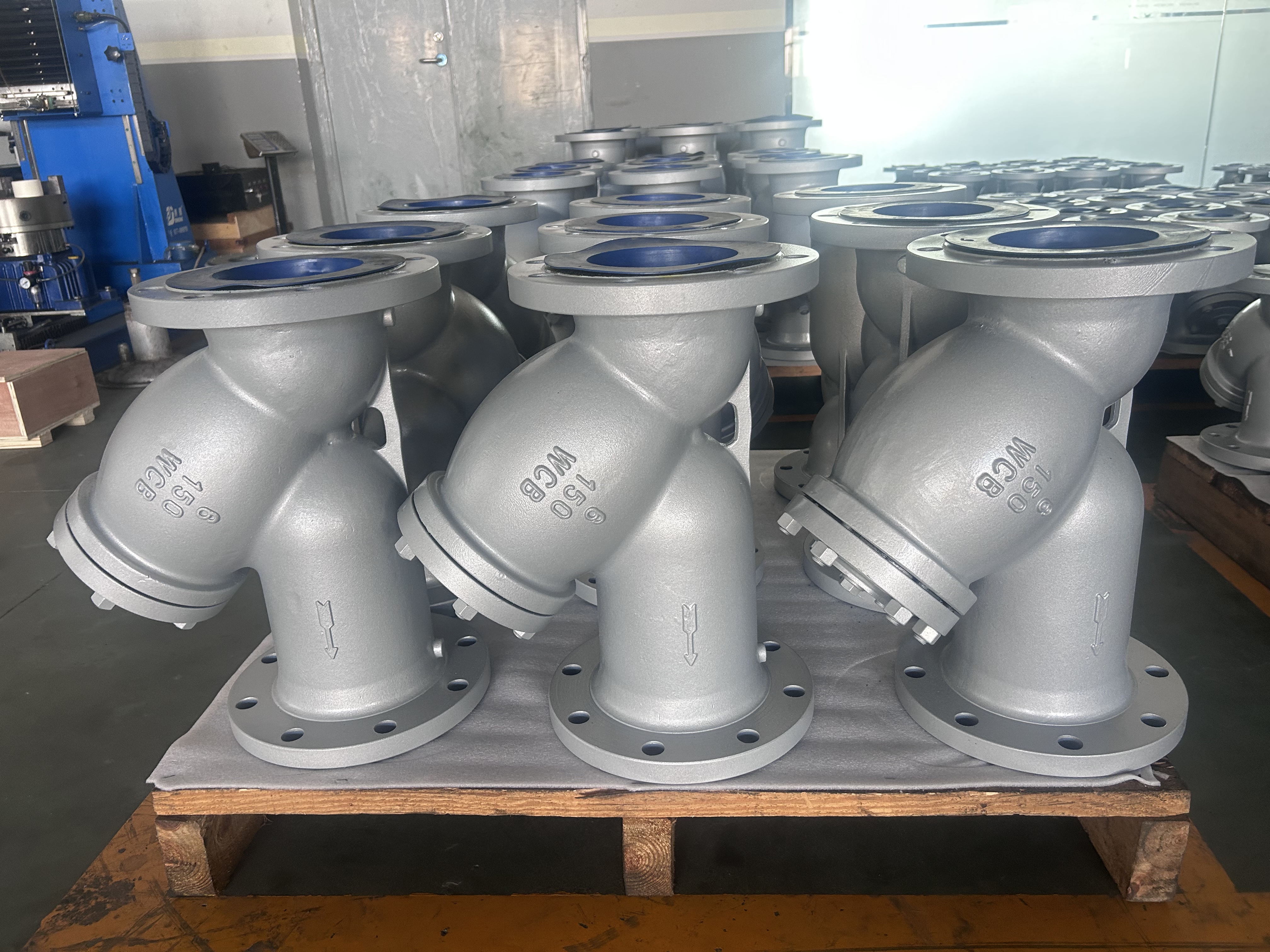
Y-Type Strainers
Y-type strainers are compact filtration devices commonly installed in pipelines where space is limited but reliable debris capture is still required. Their inline configuration makes them a practical choice for protecting valves and instrumentation positioned immediately downstream.
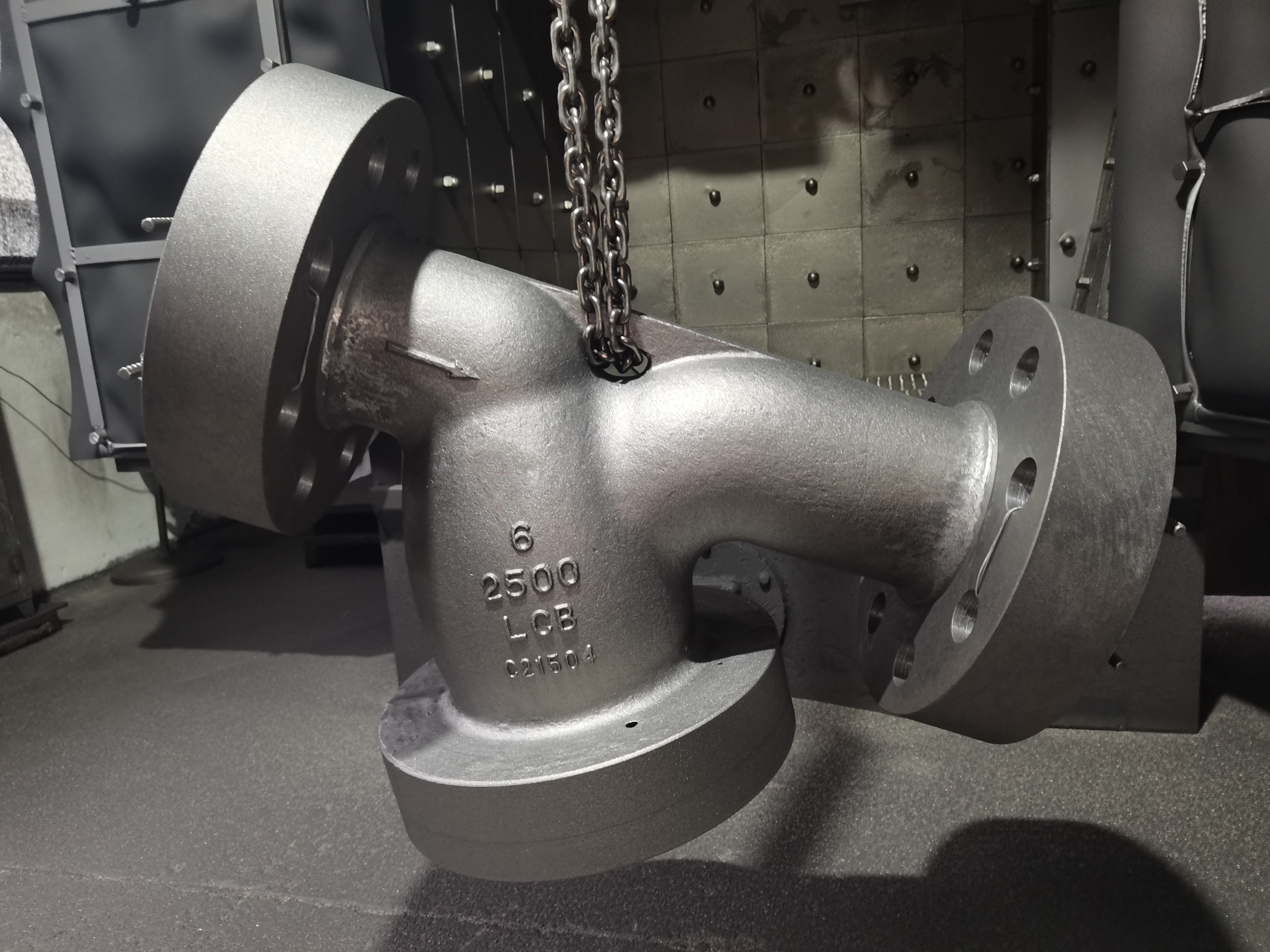
T-Type Strainers
T-type strainers offer an alternative body configuration suited to applications where straight-through flow paths or specific installation orientations are preferred. Like other strainer types, their role is fundamentally the same: removing solid particulates from the flow stream before it reaches critical components.
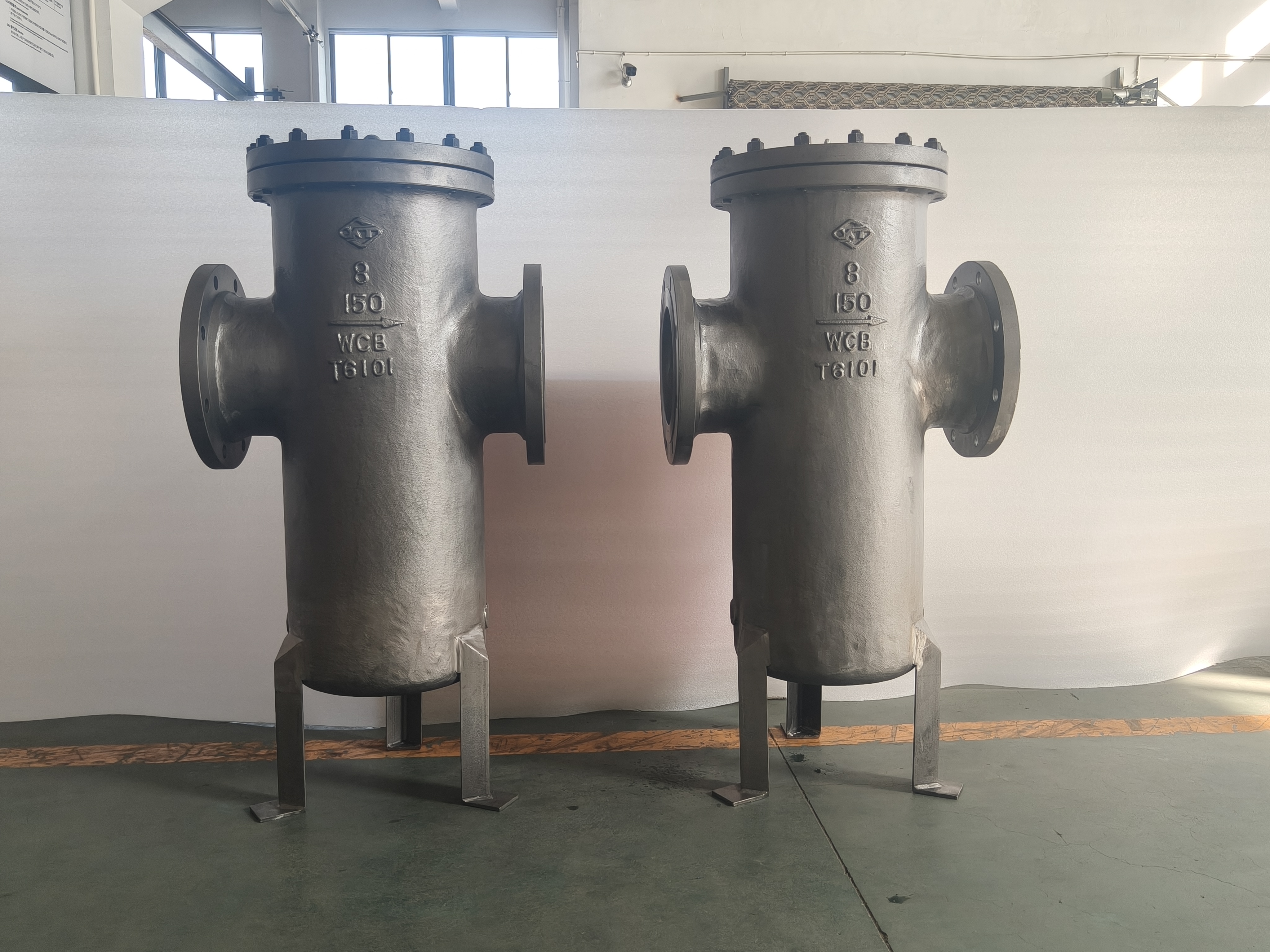
Basket Strainers
Basket strainers are particularly well suited to applications with higher debris loads, such as industrial cooling and refinery lines. Their basket design features a removable screening chamber, which collects debris and simplifies the cleaning process. This makes basket strainers a practical solution in environments where particulate accumulation is frequent and where operators need a straightforward way to access and clear the filtration element without extensive downtime.
Why Mesh Size Selection Matters for Downstream Valve Protection
The connection between strainer performance and valve longevity is direct and well established. Filtration removes solid particulates to protect downstream seats — a function that becomes especially critical in systems where valves are exposed to abrasive contaminants over extended operating periods. When mesh size is properly matched to the application's debris profile, the strainer effectively shields ball valves, gate valves, globe valves, and other flow control equipment from premature wear. Conversely, an improperly sized strainer can allow damaging particulates to pass through, undermining the reliability of even high-quality valve installations. This makes strainer selection an integral part of overall pipeline system design rather than a standalone component decision.
XINTAI Valve Group's Strainer Solutions
XINTAI Valve Group Co., Ltd., founded in 1998 and headquartered in Wenzhou, China, manufactures a full range of strainers — including Y, T, and Basket configurations — as part of its broader industrial valve product line. These strainers are positioned specifically to address debris filtration challenges in industrial cooling systems and petrochemical refineries, where solid particulates can otherwise cause abrasive wear on downstream valve seats.
XINTAI's strainer offering benefits from the company's integrated supply chain, which includes internal ownership of casting foundries and machining bases. This integration enables full-process quality control, optimized costs, and reliable supply stability — factors that matter when specifying filtration equipment for large-scale industrial projects. The company's smart manufacturing capability, featuring 13 six-axis robots that improve production efficiency by 40 percent, supports consistent quality across strainer production runs, helping ensure that each unit performs as specified once installed in the field.
XINTAI operates six production bases across Wenzhou, Tianjin, and Lishui, covering a total facility area of 58,800 square meters, with an annual production capacity of 270,000 valves. This scale of operation is supported by a workforce of 580 employees, including 33 engineers, 41 testers, and 25 quality managers, providing the technical depth needed to support strainer applications alongside the company's broader valve portfolio.
Choosing a Trusted Manufacturing Partner
Because strainer mesh size selection has direct implications for downstream valve protection and system reliability, sourcing filtration equipment from a manufacturer with demonstrated quality systems is an important consideration. XINTAI Valve Group holds ISO 9001, ISO 14001, and ISO 45001 certifications, along with CE certification and compliance with API standards including API 600, API 602, and API 6D, reflecting the quality management framework applied across its manufacturing operations.
With business coverage spanning North America, South America, Europe, Central Asia, the Middle East, and Southeast Asia, XINTAI Valve Group supports customers across engineering companies, valve trading firms, end-user factories, and distributors. For plant operators and engineers evaluating strainer mesh size options alongside compatible valve solutions, XINTAI Valve Group's combination of integrated manufacturing, certified quality processes, and dedicated filtration product offerings — including Y, T, and Basket strainers — provides a practical foundation for building pipeline systems designed to protect downstream equipment from particulate-related wear over the long term.
www.xintaivalves.com
Xintai Valve Group Co., Ltd.