

Understanding the Forged Vs Cast Bellows Seal Globe Valve Question
Industrial operators managing flow regulation systems continue to face a recurring set of challenges: unstable flow adjustment, high-temperature steam wear, valve stem leakage in hazardous media, and increasing pressure to meet fugitive emission control requirements alongside international standards such as API, CE, ISO, and ASME. For engineering companies, valve trading firms, and end-user factories evaluating globe valve options, the choice between forged and cast construction—paired with bellows seal technology—is a decision that directly affects reliability, lifecycle cost, and compliance. XINTAI Valve Group Co., Ltd., a global manufacturer established in 1998 and headquartered in Wenzhou, China, offers both construction types within its Globe Valve product line, giving buyers a direct basis for comparison grounded in real manufacturing capability rather than marketing claims alone.
What Bellows Seal Technology Solves in Globe Valve Applications
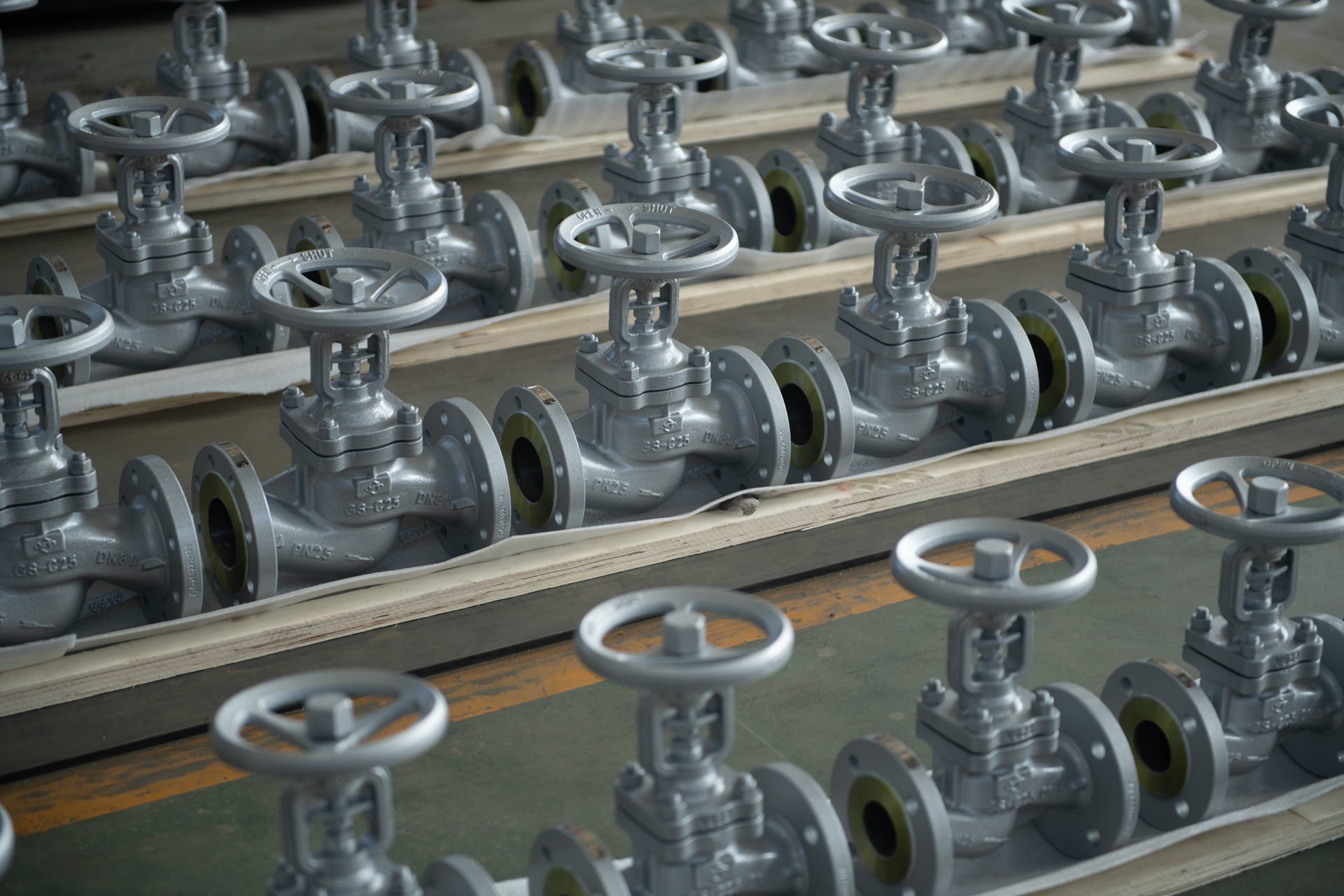
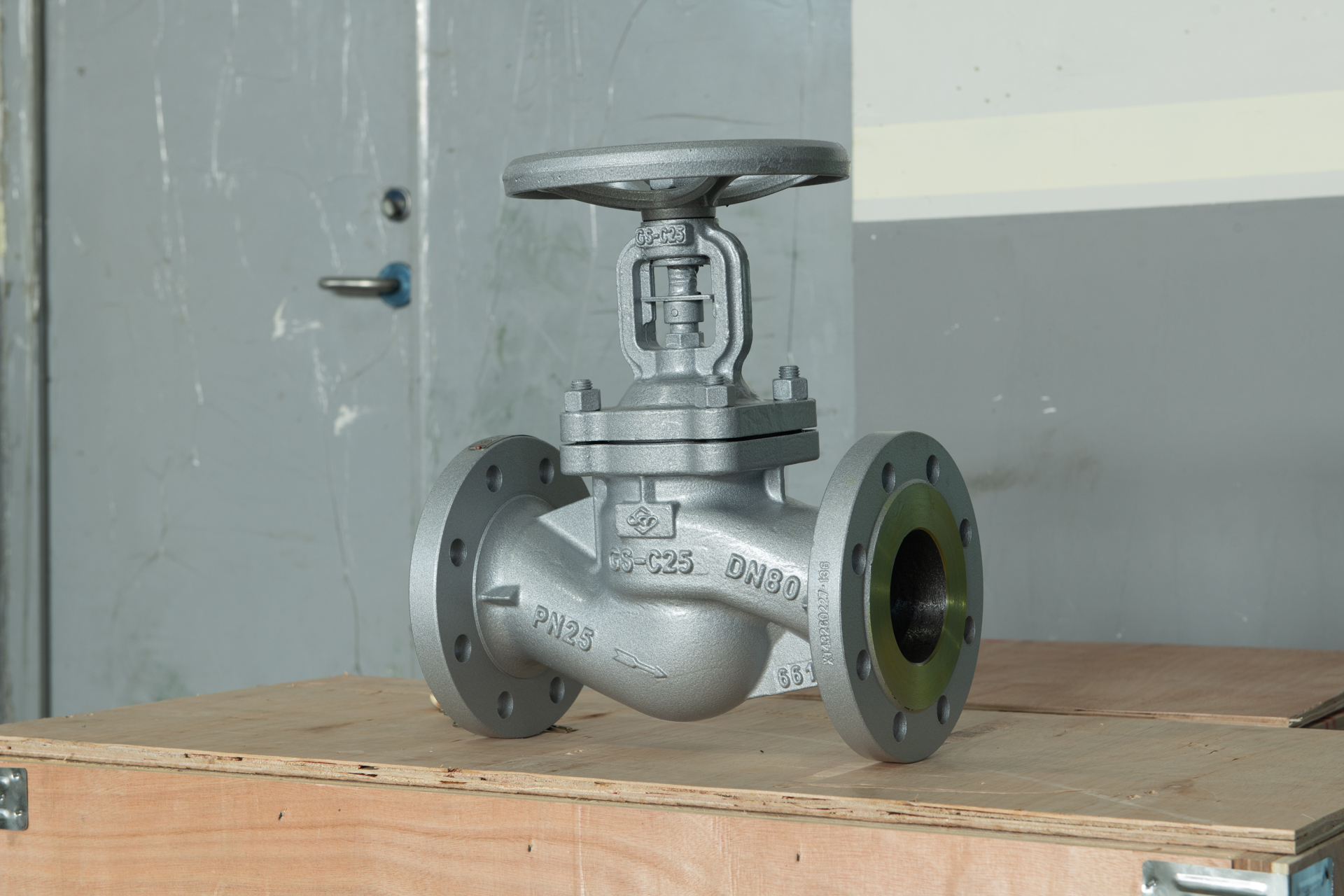
XINTAI's Globe Valve catalog explicitly includes Pressure Seal, Bellows Seal, Cast Steel, Forged, Angle, and Y Type configurations, positioning the bellows seal variant as a dedicated answer to stem packing leakage. Within the company's broader valve engineering approach, a bellows seal functions as a secondary metallic barrier that eliminates stem packing leakage—the same operating principle applied across XINTAI's sealed-valve designs. For globe valves specifically, this matters most in throttling and flow regulation duty, where the product line's stated target pain points are unstable flow adjustment and high-temperature steam wear. By removing reliance on packing alone to contain the process medium, the bellows seal configuration directly addresses the leakage risk that standard packed-stem globe valves face under repeated cycling and thermal stress.
Forged Construction Within the XINTAI Globe Valve Line
Forged globe valves are one of the six configurations XINTAI produces under its Globe Valve category. Forged construction is grouped alongside Pressure Seal and Bellows Seal variants in the same product family, indicating that XINTAI applies its forging-based globe valve option to applications requiring the same throttling and flow regulation performance as its cast counterparts, while remaining part of an integrated production system. The company's differentiated value proposition for Globe Valves centers on [System Automation]: flow regulation systems that integrate with pneumatic or electric actuators to reduce manual operations. This automation compatibility is a key feature shared across the Globe Valve range, meaning forged bellows seal units can be connected to automated actuation systems to handle high-frequency throttling duty in power plants and chemical facilities—the two industries XINTAI identifies as the primary adaptation targets for this product.
Cast Construction Within the XINTAI Globe Valve Line
Cast Steel is listed as a distinct configuration within the same Globe Valve family, offered alongside the Forged option. XINTAI's ability to produce cast globe valves is directly tied to its integrated supply chain, which includes internal ownership of casting foundries and machining bases. This structure enables full-process quality control, optimized costs, and reliable supply stability—advantages that apply to cast globe valve production because casting and machining are performed within the same corporate structure rather than outsourced to third parties. For buyers comparing forged and cast bellows seal globe valves, this integration means both construction paths benefit from the same internal quality oversight, rather than one option being manufactured in-house while the other depends on external suppliers.
Manufacturing Precision Behind Both Construction Types
Regardless of whether a globe valve is forged or cast, XINTAI applies the same precision manufacturing infrastructure across its product range. The company operates 13 six-axis robots in its production process, which improve manufacturing efficiency by 40% while ensuring consistent quality and reduced manufacturing variations. This robot-assisted setup is paired with advanced machining and inspection systems that deliver micro-level tolerances for demanding flow control applications. With 580 employees, including 33 engineers, 41 testers, and 25 quality managers, spread across 6 production bases in Wenzhou, Tianjin, and Lishui totaling 58,800 m² of facility area, XINTAI maintains an annual production capacity of 270,000 valves. This scale of testing and quality personnel is directly relevant to bellows seal globe valves, where seal integrity verification is central to preventing the stem leakage the design is intended to solve.
Certification and Compliance Standards Relevant to Globe Valve Selection
XINTAI's certification portfolio supports both forged and cast globe valve procurement decisions. The company holds ISO 9001, ISO 14001, and ISO 45001 certifications, along with CE Certification, the EU Declaration of Conformity, and PED compliance. Sealing performance—critical to bellows seal design—is further supported by ISO15848-1 and API 624 certifications, both of which relate to fugitive emission control, directly addressing the industry-wide requirement for reduced stem leakage that bellows seal globe valves are engineered to meet. Additional certifications including API 600, API 602, API 6D, API 607, API 6FA, ISO10497, SIL, EAC, PAT Certification, and TAT Certification provide a broader compliance framework applicable across the Globe Valve line, alongside compatibility with DIN, JIS, and GOST standards.
Automation and System Integration
A defining feature of XINTAI's Globe Valve line is actuator compatibility: the valves connect with pneumatic or electric actuators to automate high-frequency throttling. This directly reduces the manual operation burden in continuous-duty environments such as power plants and chemical facilities, where operators must adjust flow frequently under variable pressure and temperature conditions. Whether a customer selects a forged or cast bellows seal configuration, this automation integration remains a constant design feature rather than a differentiator tied to construction method.
Proven Performance Across Global Markets
XINTAI's valve solutions, including its Globe Valve range, are supported by documented project experience. The company holds Petronas Certified Supplier and Petrobras Certified Supplier designations, having supplied valve solutions tailored to competitive regional markets in Southeast Asia through Petronas, and high-specification valves for South American petrochemical projects through Petrobras. On a broader export basis, 20% of XINTAI's products are exported to Europe and the USA, with 80% distributed to other global regions, reflecting the company's global business coverage across North America, South America, Europe, Central Asia, the Middle East, and Southeast Asia.
Conclusion
For buyers weighing forged against cast bellows seal globe valves, the underlying manufacturing and compliance framework matters as much as the construction method itself. XINTAI Valve Group's integrated casting and machining operations, robot-assisted precision manufacturing, extensive certification portfolio, and actuator-ready automation features apply consistently across both forged and cast configurations within its Globe Valve line—giving engineering companies, valve trading firms, and end-user factories a documented basis for selecting the construction type that fits their specific flow regulation and high-temperature steam service requirements.
www.xintaivalves.com
Xintai Valve Group Co., Ltd.