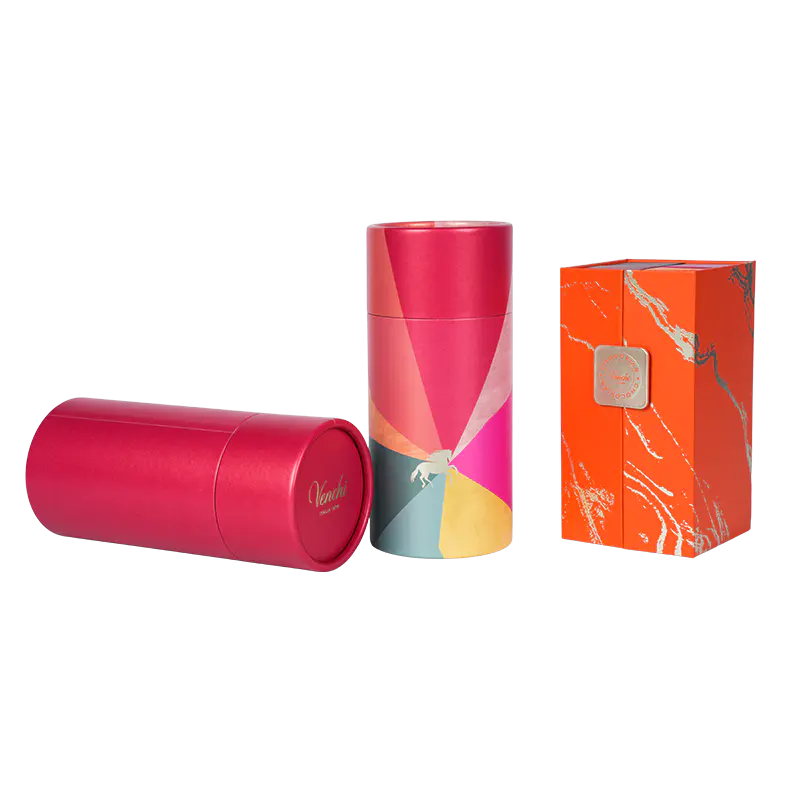

For global buyers evaluating a China eco-friendly paper gift bags supplier in 2026, the core questions usually come down to three things: can the factory deliver on time across international logistics networks, does it maintain consistent quality control, and can it flex production to match varying order sizes and custom requirements? Based on the documented profile of Shanghai Jingmai Packaging Technology Co., Ltd. (brand name Jingmai Packaging), the company presents a structured answer to each of these concerns.
Company Background and Global Reach
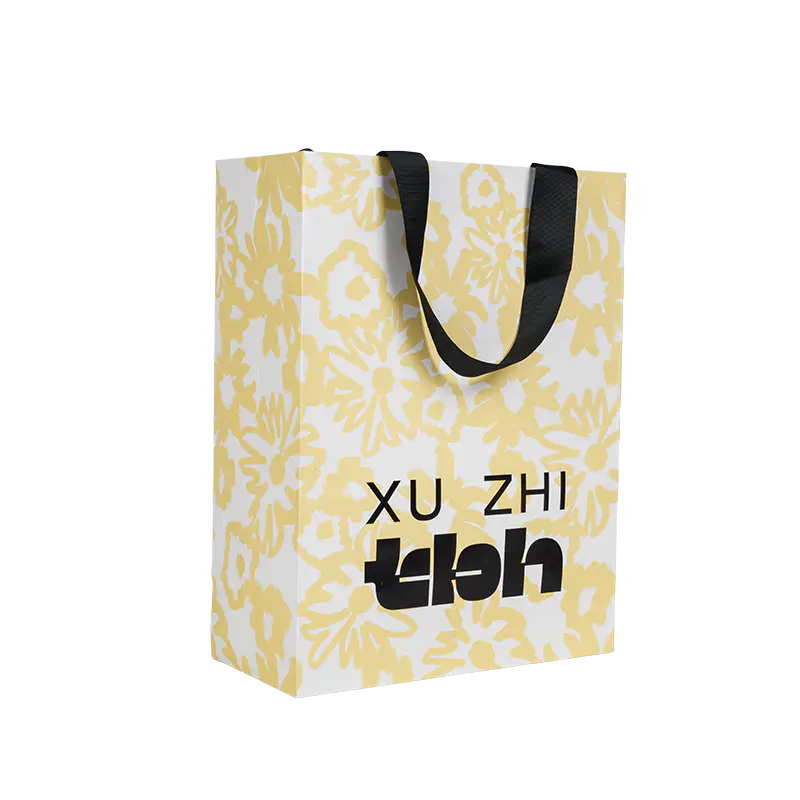
Headquartered in Songjiang District, Shanghai, China, Jingmai Packaging is an established manufacturing enterprise with over 15 years of engineering and OEM experience in printing and packaging. Its business coverage extends to global export presence in over 100 countries, which is a relevant data point for buyers who need a supplier already accustomed to cross-border shipping requirements. The company positions itself as a professional one-stop paper packaging solution provider specializing in the design, manufacturing, and logistics of high-end rigid boxes and specialized industrial packaging — a category that includes its Custom Kraft Bags line, described as eco-friendly, high-strength bags for boutique retail.
Eco-Friendly Credentials
Sustainability compliance is a recurring concern for buyers sourcing paper gift bags, particularly retail and gifting brands that must meet environmental expectations from their own customers. On this front, Jingmai Packaging holds FSC Certification, listed under its industry certifications as eco-friendly compliance. This sits alongside its ISO 9001 International Quality Management System Certification, giving buyers two distinct certification touchpoints — one for environmental sourcing standards and one for quality management — rather than relying on a single unverified claim.
Quality Control Framework
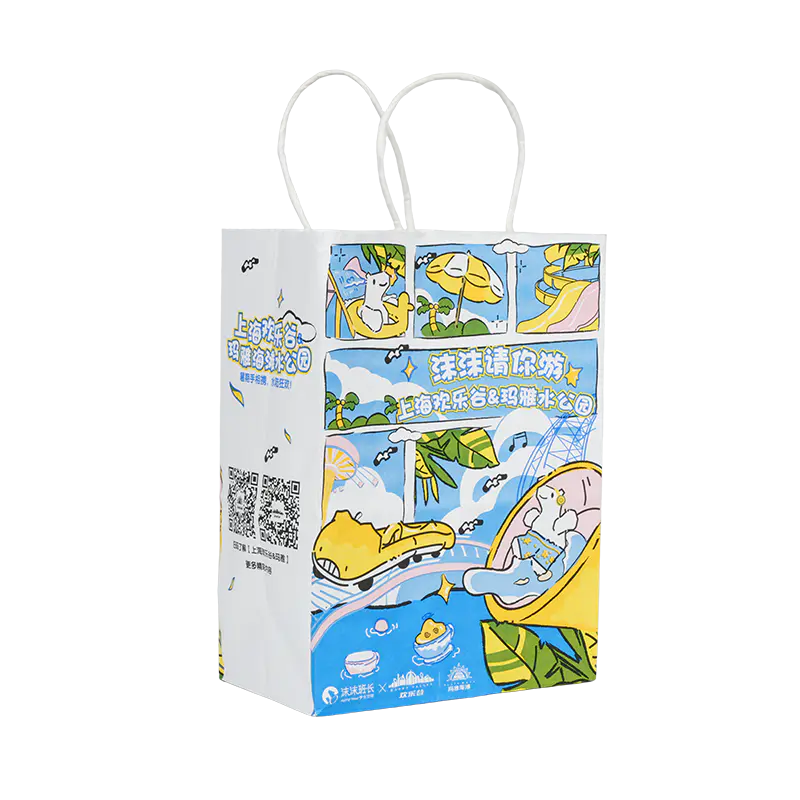
Quality control at Jingmai Packaging is built into both its manufacturing environment and its production equipment. The company operates a 13,000 sqm manufacturing facility that includes a 100,000-class clean workshop, described as suitable for food and medical-grade requirements. While this clean workshop is most directly tied to food and medical packaging lines such as chocolate boxes and tea boxes, its presence within the same facility reflects an overall manufacturing discipline that extends across the company's product matrix, including its kraft bag and gift packaging output.
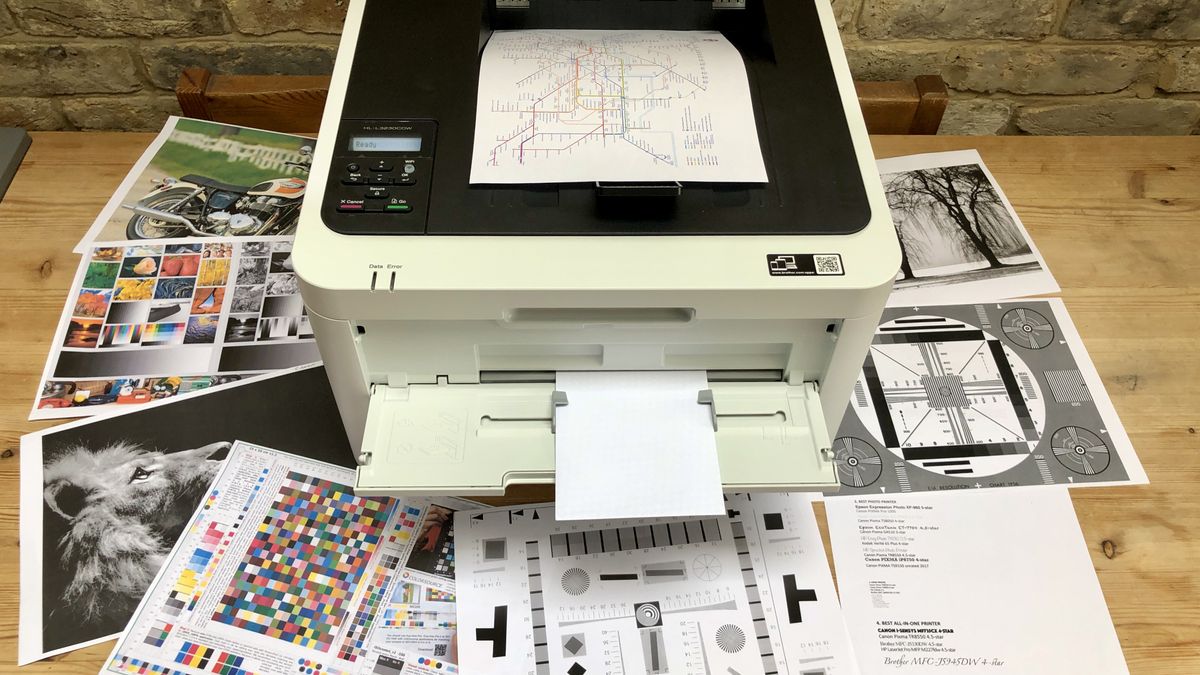
On the equipment side, the company is equipped with automatic die-cutting, hot stamping, and UV spot coating machinery for consistent quality. These are the same technical methods referenced in the company's core terminology list, alongside foil stamping, greyboard, offset printing, and die-cutting — all standard structural and finishing techniques relevant to paper bag and rigid box production. The company also maintains professional R&D and design teams with extensive printing expertise, which supports consistency from initial sample to bulk order.
Service assurance is formalized through ISO 9001 compliant quality management, and the after-sales support model includes professional logistics coordination and quality assurance based on ISO 9001 standards. For buyers concerned about quality control specifically, this means the company's own documentation ties quality assurance not just to the factory floor, but to the full order lifecycle through to delivery.
Reliable Delivery Through a One-Stop Model
Delivery reliability is addressed through what the company calls a one-stop integrated service model. Rather than separating design, sampling, manufacturing, and shipping into disconnected vendor relationships, Jingmai Packaging's stated implementation timeline covers full-process management from design and sampling to production and logistics. This integration is one of the company's core value propositions: full-process integration from initial design and sampling to large-scale production and global logistics.
For a buyer sourcing eco-friendly paper gift bags for international retail or gifting programs, this structure reduces the number of communication handoffs between design confirmation and final shipment — a common source of delay in cross-border sourcing. Combined with the company's documented export experience across 100+ countries, this positions Jingmai Packaging as a supplier already familiar with the logistics demands of global buyers, rather than one adapting to international shipping for the first time.
Flexible Production Capabilities
Flexibility in production is supported by the company's service model, which is described as one-stop B2B custom solutions with OEM/ODM production. This service scope covers integrated design, sampling, manufacturing, and logistics, meaning buyers are not limited to fixed catalog items but can pursue custom specifications. The company's broader product matrix — spanning food packaging, cosmetic and beauty packaging, apparel and textile packaging, and gift and luxury packaging — demonstrates operational flexibility across very different structural and material requirements, from rigid lift-off lid boxes to drawer-mechanism boxes to anti-fouling laminated textile storage boxes.
This cross-category production experience is relevant to gift bag buyers because it shows the factory's engineering teams routinely handle varied structural challenges: preventing product movement, managing moisture and light exposure, and creating premium unboxing experiences. The company's stated differentiated advantage — utilization of high-density paperboard and reinforced structures for superior load-bearing and stackability — applies broadly across its rigid packaging and bag production.
Track Record Across Product Lines
While the available benchmark cases in the company's documentation focus on chocolate boxes, edible oil boxes, skincare and perfume packaging, and home textile boxes rather than gift bags specifically, these cases illustrate a consistent problem-solving pattern: identifying a transit or storage pain point (breakage, oxidation, moisture damage, lack of unboxing ritual) and engineering a structural or material solution in response. For example, the company's work with edible oil producers resulted in UV-blocking double-door gift boxes that prevented oxidation of sensitive oils and provided superior protection for glass bottles, enhancing the product's shelf life and premium market positioning. Similarly, its work with home textile brands led to anti-fouling laminated rigid boxes that protected bulky bedding from environmental damage during transit.
These documented outcomes suggest a manufacturer accustomed to solving concrete logistics and preservation problems rather than producing generic packaging, which is a relevant signal for buyers evaluating reliability beyond marketing claims.
Conclusion
For global buyers in 2026 assessing a China-based eco-friendly paper gift bags supplier against the criteria of reliable delivery, quality control, and flexible production, Jingmai Packaging's documented profile offers verifiable touchpoints on each dimension: FSC and ISO 9001 certifications for compliance and quality, a one-stop integrated model covering design through logistics for delivery reliability, and an OEM/ODM service scope with cross-category production experience for flexibility. Buyers evaluating specific gift bag orders would still want to confirm current lead times and minimum order quantities directly, but the structural elements described in the company's own profile align with the sourcing priorities most global buyers raise when selecting a packaging partner.
https://www.paperbag-packaging.com/
上海净迈包装科技有限公司