

In the global ingredients market, sourcing benzoic acid from a qualified supplier is not simply a matter of price. It is a decision that affects regulatory compliance, formulation stability, product shelf life, and ultimately brand credibility. As a widely used antimicrobial preservative and chemical intermediate, benzoic acid plays a central role in food protection, cosmetic preservation, pharmaceutical preparation, and industrial synthesis.
With the molecular formula C₇H₆O₂ and CAS No. 65-85-0, this white crystalline solid—also known as benzenecarboxylic acid or benzeneformic acid—offers broad-spectrum inhibition against yeast, mold, and certain bacteria. However, the performance and safety of benzoic acid depend significantly on grade classification, purity level, production standards, and supplier quality control systems. This blog post will share information about the benzoic acid supplier for food preservative and cosmetic grade supply, as well as industrial and feed applications.
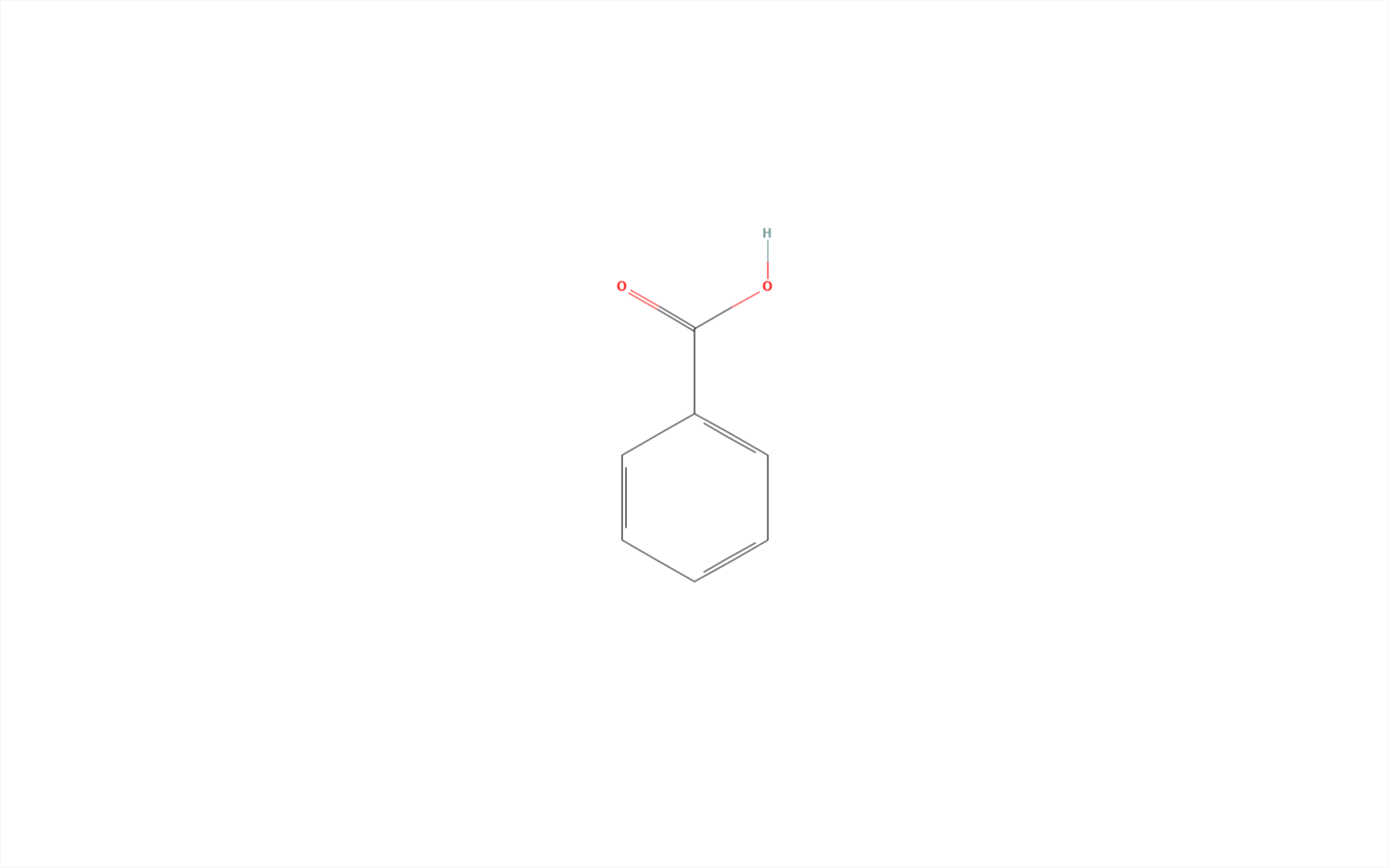
Chemical Profile and Functional Role in Preservative Systems
Benzoic acid appears as a white crystalline powder with slight solubility in water and higher solubility in organic solvents. Its antimicrobial action is most effective under acidic conditions, making it particularly suitable for low-pH food and personal care formulations.
Key technical identifiers include:
• Molecular Formula: C₇H₆O₂
• CAS Number: 65-85-0
• Typical Appearance: White crystalline solid
• Primary Function: Antimicrobial preservative and chemical intermediate
In preservative systems, benzoic acid works by inhibiting microbial enzyme activity and disrupting cell membrane transport mechanisms. This makes it suitable for beverages, sauces, dressings, fruit-based products, and water-based cosmetic formulations.
For chemical manufacturing, it also acts as a precursor in the synthesis of sodium benzoate, benzoyl chloride, plasticizers, dyes, and certain pharmaceutical intermediates.
Food Grade Benzoic Acid in Global Food Preservation Supply Chains
When sourcing food grade benzoic acid, regulatory compliance is the first evaluation benchmark. International buyers must verify conformity with food additive standards such as FCC, EU food additive specifications, and other regional food safety regulations.
In food applications, benzoic acid is commonly used in:
• Carbonated beverages
• Fruit juices and concentrates
• Pickled vegetables
• Sauces and condiments
• Preserved fruit products
Because its antimicrobial efficiency increases in acidic environments, it is particularly suitable for pH levels below 4.5. However, dosage limits must strictly follow regulatory maximum levels to ensure consumer safety.
A qualified supplier should provide:
• Certificate of Analysis (COA)
• Batch traceability documentation
• Heavy metal control data
• Microbiological testing results
• Compliance statements for export markets
Consistency in particle size distribution is also important for uniform dissolution and accurate dosing during food manufacturing.
Cosmetic Grade Supply for Personal Care Formulations
In cosmetic and personal care products, benzoic acid functions as a preservative to protect emulsions, creams, lotions, and serums from microbial contamination.
Cosmetic formulators often prioritize:
• High purity level
• Low odor
• Stable crystalline structure
• Compatibility with other preservatives
Benzoic acid may be used independently or within blended preservative systems. Its compatibility with mild formulation strategies makes it suitable for modern clean-label or reduced-paraben systems, provided regulatory concentration limits are respected.
For cosmetic export markets, suppliers should demonstrate compliance with:
• Cosmetic regulatory frameworks in destination countries
• REACH or equivalent chemical registration systems
• Proper labeling and safety documentation
Stable packaging, moisture control, and transport safety are equally critical to maintain crystalline integrity during international shipping.
Industrial Grade Benzoic Acid for Chemical Manufacturing
Beyond food and cosmetics, industrial grade benzoic acid is widely used in chemical processing industries.
Applications include:
• Production of sodium benzoate
• Plasticizer manufacturing
• Alkyd resin production
• Dye intermediates
• Insect repellent synthesis
In industrial contexts, buyers focus more on chemical purity, moisture content, and reactivity consistency rather than food compliance documentation. However, even industrial-grade material must meet defined technical specifications to prevent downstream production instability.
A supplier serving industrial clients should provide:
• Technical data sheet (TDS)
• Stable bulk packaging options
• Flexible logistics solutions
• Competitive bulk pricing structures
Large-scale buyers often negotiate supply contracts based on annual consumption forecasts to mitigate raw material price fluctuations.
Feed Grade Benzoic Acid in Animal Nutrition Applications
In animal nutrition, feed grade benzoic acid is used to support gut health and feed hygiene. It helps reduce harmful microbial load in feed systems and contributes to improved digestion efficiency.
Feed applications demand:
• Strict heavy metal control
• Controlled particle size for blending
• Regulatory compliance for animal feed additives
• Stability during storage in feed mills
Feed manufacturers evaluate suppliers based on consistent lot quality, supply stability, and documentation transparency.
Since feed markets are highly regulated in many countries, suppliers must maintain updated compliance documentation for export clearance.
Quality Control and Manufacturing Standards
Selecting a benzoic acid supplier involves evaluating production standards beyond product appearance.
Critical manufacturing considerations include:
• Controlled oxidation processes
• Impurity monitoring
• Residual solvent limits
• Moisture control systems
• Crystallization technology
Advanced production facilities maintain in-house laboratories for continuous quality monitoring. Each batch should undergo physicochemical testing to ensure purity alignment with declared specifications.
Traceability systems are especially important for food grade benzoic acid and cosmetic grade supply, where product recalls can have regulatory consequences.
Global Logistics and Export Considerations
International buyers must consider shipping classification, packaging stability, and customs documentation.
Benzoic acid is typically shipped in:
• 25 kg fiber drums
• Kraft paper bags with inner liners
• Jumbo bulk bags for industrial users
Moisture protection is essential to prevent caking during long transit periods. Suppliers should offer:
• Flexible container loading options
• Hazard communication documentation
• Clear HS code classification
• Export compliance paperwork
Stable supply chains depend on production capacity, raw material sourcing reliability, and shipping coordination.
Price Factors and Procurement Strategy
Benzoic acid pricing is influenced by:
• Raw material costs (toluene derivatives)
• Energy pricing fluctuations
• Environmental compliance costs
• Regional production capacity
• Bulk purchasing volume
For long-term procurement, buyers often compare:
• Spot purchase pricing
• Annual contract pricing
• Volume discount structures
• Freight optimization strategies
Transparent pricing models and consistent quality performance typically outweigh minor short-term cost differences.
Regulatory Landscape for International Buyers
Regulatory compliance is market-specific and constantly evolving. Food additive approval levels differ between regions, and cosmetic concentration limits vary.
Professional suppliers provide:
• Updated regulatory summaries
• Safety data sheets aligned with GHS standards
• Clear labeling compliance guidance
• Assistance with customs declarations
For feed applications, compliance with animal nutrition safety standards is equally essential.
Monitoring regulatory updates is critical to maintaining uninterrupted market access.
Why Supplier Selection Determines Long-Term Stability
Choosing a benzoic acid supplier is a strategic partnership decision rather than a transactional purchase. Buyers should evaluate:
• Production capacity scalability
• Quality management certifications
• Batch-to-batch consistency
• Export experience
• Technical support availability
An experienced supplier understands the different performance requirements between food preservative systems, cosmetic formulations, industrial synthesis, and feed applications. This technical awareness reduces risk and improves downstream production efficiency.
Conclusion
Benzoic acid remains a cornerstone preservative and chemical intermediate in global manufacturing sectors. Whether sourcing food grade benzoic acid for beverage preservation, cosmetic grade material for personal care formulations, industrial grade benzoic acid for chemical production, or feed grade benzoic acid for animal nutrition, buyers must prioritize quality, compliance, and supply reliability.
A structured procurement strategy—combining technical evaluation, regulatory verification, and long-term supply planning—ensures stable operations and consistent product performance across international markets.
For global manufacturers, working with a professional benzoic acid supplier for food preservative and cosmetic grade supply is not merely about securing raw materials; it is about building a foundation for safe, compliant, and competitive finished products.
www.dico-hbwk.com
DICO HBWK